Pages

Showing posts with label race. Show all posts

Tuesday, November 29, 2016

"American Horror Story" in Real Life: Understanding Racialized Views of Mental Illness and Stigma


By Sunidhi Ramesh


Racial and ethnic discrimination have taken various forms in the

United States since its formation as a nation. The sign in the image

reads: "Deport all Iranians. Get the hell out of my country."

Image courtesy of Wikipedia.


From 245 years of slavery to indirect racism in police sanctioning and force, minority belittlement has remained rampant in American society (1). There is no doubt that this history has left minorities in the United States with a differential understanding of what it means to be American and, more importantly, what it means to be an individual in a larger humankind.


Generally, our day-to-day experiences shape the values, beliefs, and attitudes that allow us to navigate the real world (2). And so, with regards to minorities, consistent exposure to these subjective experiences (of belittlement and discrimination, for example) can begin to shape subjective perceptions that, in turn, can mold larger perspectives and viewpoints.


Last spring, I conducted a project for a class to address the reception (3) of white and non-white, or persons of color (POC), students to part of an episode from American Horror Story: Freak Show. The video I asked them to watch portrays a mentally incapacitated woman, Pepper, who is wrongfully framed for the murder of her sister’s child. The character’s blatant scapegoating is shocking not only for the lack of humanity it portrays but also for the reality of being a human being in society while not being viewed as human.


Although the episode remains to be somewhat of an exaggeration, the opinions of the interview respondents in my project ultimately suggested that there exists a racial basis of perceiving the mental disabilities of Pepper—a racial basis that may indeed be deeply rooted in the racial history of the United States.


The premise behind my project was the understanding that past experience informs perception. What, then, are the different circumstances (in regards to mental illness/disabilities) that white and POC Americans are facing? Current public health research suggests that there exist racial differences in the field of mental health.


In 2010, for example, researchers at the University of Pittsburgh found that internalized stigma among African Americans had a direct relationship with attitudes towards their mental heath treatment (4); in general, African Americans in this study reported more negative attitudes toward mental health treatment, and, as compared to their white counterparts, African Americans were less likely to seek out mental health treatment and were more likely to hold negative views about themselves if they were diagnosed with a mental illness (4).


Another study conducted in 2012 validates these results, finding that African Americans are significantly less likely than other race-ethnic groups to have received mental health services (5); although the article begins to tie this trend to education differences among the different racial groups, a definitive explanation for the relationship between race-ethnicity and the receipt of mental health services could not be found (5).


Beyond studies regarding the specific treatment of mental illness is research that questions the root of mental illnesses such as depression; one such study found a “clear, direct” relationship between perceived discrimination (which arises from “formative social experiences”) and symptoms of depression in Mexican-origin adults in California (6).


The conclusions drawn in these studies as well as those in other similar research imply that mental illness does not stand on its own; it, in fact, is a factor that is intertwined (rather strongly) with race as well as elements that underlie race such as discrimination and education.


Because the subjective experiences faced by minorities formulate differential understandings and subjective perspectives, these perspectives (according to these studies) can then go on to create different attitudes towards mental health. Ultimately, this cascade can form bigger more personal feelings such as internalized and public stigma.


With this comes a question: what if the differences in the way POC and White Americans are treated (either for mental illnesses or in general) manifest themselves in how different racial groups perceive mental health?


A photo of a freak show exhibition, taken around 1941. The 

sign at the top reads: "Human Freaks Alive." 

Image courtesy of Wikimedia Commons.


Before getting into my project, I must mention that Pepper, throughout American Horror Story, is part of a “freak show”—a term that the dictionary defines as “a display of people with unusual or grotesque physical features as at a circus or a carnival show."As I was watching the show for the first time a few years ago, I was appalled at how it presented the reactions of people who interacted with the “freaks.” There was shock, amusement, fear, and even a sense of superiority. In one scene, the circus actors went out to a diner and were immediately kicked out on the grounds of “disturbing and scaring the other customers.” More often than not, the families who attended the circus would disrespect and taunt the performers.


I later realized that this scene illuminated the major difference between physical disability and mental illness. Physical disability can be seen; it is outward and apparent to a point where it can be identified and acknowledged as easily as it can be mocked and ridiculed.


Mental illness cannot. It is invisible, an uninvited guest that only the patient can feel, describe, and identify. It is silent. Quiet. Unseen. (This distinction regarding mental illness is why hundreds of articles with titles such as “I Don’t Believe in Mental Illness” and “9 Signs Why Your Mental Illness is Made Up for Attention” plague the Internet.)


People who bear mental illnesses are told that their symptoms are not real, that “laziness explains 100% of mental disorders,” or simply that their illnesses “does not exist.” These kinds of perceptions build up and begin to create stigma around mental illness.


Statistically, three out of four people who experience mental illness today have reported experiencing stigma. This stigma leads to feelings of shame, hopelessness, distress and misrepresentation in media. It discourages patients from seeking necessary help. It frames mental illness as a shameful blemish and weakness.


And in many cases, stigma and discrimination come hand in hand; often, those with mental illnesses and disabilities are denied employment, housing, insurance coverage and general social interactions such as friendship and marriage (7).


Worst of all, this very stigma throws mental health patients into a dangerous cycle of social isolation and harm.


According to a 2002 research paper written by Allison J. Gray, “Discrimination alters how patients see themselves, their self worth and their future place in the world. The immediate psychological effects of a psychiatric diagnosis include disbelief, shame, terror, grief, and anger” (8). She then argues that these patients eventually face social isolation, which directly leads to high rates of self-harm and suicide.


So, how and where do we go from here? Can we work toward destigmatizing mental illness?


Or is this a lost cause? Could the racial discrepancy between perceiving disabilities be too deeply rooted to change how these conditions are perceived? And where does this racial difference come from?


For this small preliminary class project, I asked ten respondents (five white and five POC) to watch the aforementioned 30-minute clip. This episode covers the experiences of a young woman, Pepper, who suffers from microcephaly, a rare neurological condition “in which the brain does not develop properly, resulting in a smaller than normal head” as well as intellectual disability, poor speech abilities, and abnormal facial features. In the clip, Pepper is introduced into the care of her older sister and her brother-in-law, a couple that later gives birth to a deformed child. Although Pepper cares for and loves the child as her own, her caretakers appear to be overtaken by “the burden” of having to deal with two individuals who are unable to fully look after themselves. In response, Pepper’s brother-in-law (with permission from his wife) murders the infant and places the blame on Pepper, who is unable to speak for herself but seemingly unaware of the injustice done to her. At the end of the clip, Pepper is placed in an insane asylum, forced to live there due to her supposed involvement in the brutal murder of her sister’s child.


A comparison between head sizes for a child with microcephaly

and a normal child. This change in head shape is often attributed

to abnormal brain development. Image courtesy of Wikimedia 

Commons.


Following the viewing, I asked each respondent seven questions regarding their overall feelings as well as what characters and parts of the plotline resonated with them the most. In the end, I found three general categories of responses—each of which was clearly divided racially.


The most striking of these categories was, by far, how the white and POC respondents referred to Pepper’s microcephaly. I should preface with the fact that the episode never directly labeled her condition, and Pepper’s mental and physical statuses were not referred to as a disability in the scenes the respondents viewed. Still, every white interviewee spoke of Pepper’s condition as a “disability”—a handicap that allowed her to be bullied by her family and the justice system. These students seemed to dwell on the idea that Pepper was subordinated in the minds of those around her. To them, she was bullied for and handicapped by her mental state.


The POC respondents, on the other hand, did not use the words “disability” or “handicap.” Instead, they speak of her as an “outsider,” a deviation from what it means to be “normal.” This word, “normal,” was raised by every POC respondent. These students chose to discuss Pepper’s experiences in light of their own by drawing parallels between what it means to be a functioning, “normal” member of this society and the consequences of being the opposite, when an individual deviates from those norms (discrimination and outcasting).


Although these data are just preliminary, the implications, if these results held true with a larger pool or participants, are tremendous. At the least, these outcomes suggest that human perceptions of mentally and physically compromised individuals are racially based— that there may exist a socially constructed phenomenon for why white respondents viewed Pepper as “disabled” and POC respondents saw her as simply “not normal.”


If anything, the tendency for the POC individuals in my interviews to focus more on the aspects of being “normal” (rather than being discriminated) suggests something about the more personal aspects of the minority experience. It is possible that this theme was so salient because the question asked for the interviewees to relate the clip to their own personal lives (9); perhaps the notion of mental disabilities is not as prominent to these POC individuals as it may have been to the white respondents (as was suggested by the public health studies on POC Americans and mental health). Again, the validity of this statement should be explored through further research.


Schlitzie (born Schlitze Surtees) was an American 

sideshow performer; Pepper's appearance and 

story are said to be based on Schlitzie's life.

Image courtesy of Wikipedia.


Whatever the case, the answers to these questions are not clear. They may never be clear or easy to address—unless we are somehow able to pinpoint exactly where these entangled differential perceptions stem from or whether or not they can be changed. What can change, however, is the stigma around mental illness.


If the relationship between subjective experience, differential understanding, subjective perception, different mental health treatment and attitudes, and stigma exists, can we tap into breaking the cycle? Can we try to change mental health treatment by better educating our doctors and mental health professionals? Can we change mental health attitudes by better explaining conditions to patients or the general public? Would changes in the initial subjective experience (reducing discrimination, for example) reduce mental health stigma down the line?


And would this stigma be alleviated with more evidence for a biological basis to mental illness? Possibly (10, 11, 12).


But this would require research as well—research that is deliberately designed to avoid reinforcing negative stereotypes. In other words, while bias is inherent to some degree in all research, specific biases such as gender and racial bias need to be consciously monitored in this research to avoid being implicitly implemented into the research process.


How can this be done? The Journal of European Psychology suggests engaging in introspection to acknowledge any biases before the research is conducted, including different types of people and viewpoints on the research team, standardizing procedures for data collection and checking for statistical significance—all while being aware of the errors and omissions that may be embedded in the research itself. Maybe, with these cautions in mind, we can work towards more direct, objective research that can lead to the lessening of stigma (especially towards specific races) around mental illness.


Until then, we must begin to realize that perception of mental illness is not black and white; it is socially directed, differentially interpreted, and variably understood. More importantly, it is profoundly engrained in experience and identity.


This understanding needs to come first.


Perhaps then we can begin to unravel the answers to the bigger questions we have.


Note: The students in my project were asked to watch two segments from Episode 10 of Season 4 of American Horror Story: 1) 31:53 to 37:20 and 2) 38:41 to 49:00.


References 


1) Piazza, James A. "Types of minority discrimination and terrorism." Conflict Management and Peace Science 29.5 (2012): 521-546.


2) Rokeach, Milton. The nature of human values. Vol. 438. New York: Free press, 1973.


3) Shively, JoEllen. "Cowboys and Indians: Perceptions of western films among American Indians and Anglos." American Sociological Review (1992): 725-734.


4) Brown, Charlotte, et al. "Depression stigma, race, and treatment seeking behavior and attitudes." Journal of community psychology 38.3 (2010): 350-368.


5) Broman, Clifford L. "Race differences in the receipt of mental health services among young adults." Psychological Services 9.1 (2012): 38.


6) Finch, B. K., Kolody, B., & Vega, W. A. (2000). Perceived discrimination and depression among Mexican-origin adults in California. Journal of Health and Social Behavior, 295-313.


7) Office of the Surgeon General (US, & Center for Mental Health Services (US. (2001). Culture counts: The influence of culture and society on mental health.


8) Gray, A. J. (2002). Stigma in psychiatry. Journal of the royal society of medicine, 95(2), 72-76.


9) Trepte, S. (2006). Social Identity Theory. In J. Bryant & P. Vorderer (Eds.), Psychology of Entertainment (pp. 255-271). Mahwah, NJ: Lawrence Erlbaum.


10) Corrigan PW, Watson AC. At issue: Stop the stigma: call mental illness a brain disease. Schizophrenia bulletin. 2004;30(3):477-479.


11) Corrigan PW. Lessons learned from unintended consequences about erasing the stigma of mental illness. World psychiatry : official journal of the World Psychiatric Association. 2016;15(1):67-73.


12) Insel TR, Wang PS. Rethinking mental illness. Jama. 2010;303(19):1970-1971.


Want to cite this post?


Ramesh, Sunidhi. (2016). "American Horror Story" in Real Life: Understanding Racialized Views of Mental Illness and Stigma. The Neuroethics Blog. Retrieved on , from http://www.theneuroethicsblog.com/2016/11/american-horror-story-in-real-life_22.html


Tuesday, May 10, 2016

Notes from the field: Critical Juncture at Emory


by Lindsey Grubbs


Early in April, Emory University hosted the third iteration of Critical Juncture. This annual(ish) graduate-student-led conference focuses on intersectionality, examining interconnecting dynamics of systems of oppression including racism, sexism, ableism, and classism. This year’s conference, while maintaining a broader focus on the complexities of identity and oppression, took as its theme “representations of the body”: which bodies are, and perhaps more importantly which are not, represented in science, politics, the arts, and the academy, and what forms do these representations take?


From its beginning, the conference has links to neuroethics at Emory. One of the co-founders of the conference, Jennifer Sarrett, was a past Neuroethics Scholars Program Fellow. This year, I—one-time managing editor of this blog and current intrepid neuroethics blogger—served as one of the co-organizers.


The focus at this year’s conference was on increasing opportunities for interdisciplinary engagement. The disciplinary backgrounds of our organizational team made this possible: we had one doctoral student in English and bioethics (me), one in public health (Ilana Raskind), a third in microbiology and molecular genetics (Kellie Vinal), and (now Dr.) Jennifer Sarrett stepped in as faculty mentor from the Center for the Study of Human Health. We arranged for a variety of presentation and conversation formats in the hopes of inspiring more cross-talk and examination: seminars with established thinkers at Emory, a poster reception with flash talks (and plenty of food and drink), and interdisciplinary panels arranged, when possible, with an eye to disciplinary diversity. For example, one panel brought together speakers from the medical school, English, history, and Behavioral Science & Health Education to tackle intersections of race, gender, and medicine.


Altogether, the conference drew participants nationally and even internationally for a day and a half of exciting conversations and connections that will hopefully thrive in the months and years to come. Although the conference wasn’t focused specifically on the brain, we solicited presentations investigating representations of mental illness, biological psychiatry, and the mind-body connection. The vibrancy of talks verging on the “neuro” serves as a reminder of how these questions transcend and bridge disciplines, and the ways that these interdisciplinary encounters can spur interesting questions for work on the mind and brain.


A seminar with Emory neuroscientist and feminist theorist Deboleena Roy, for example, drew an attentive crowd to discuss her recent article interrogating the uneasy intersection between neuroscience and feminist theory—the lively discussion pulled together participants from women’s, gender, and sexuality studies, English, psychology, the medical school, immunology, the visual arts and beyond.


Portrait of William Wordsworth by Benjamin Robert Haydon

from Wikimedia Commons


Interestingly, the panel most explicitly focused on mind and brain was populated almost entirely by literary scholars, highlighting what a robust exciting field literary and cultural studies approaches to the brain has become (references for this kind of work can be found here and here and here). Hardly an easy incorporation of pop psychology and neuroscience into the humanities, these thinkers showed how medical or scientific concepts have charted uneasy paths—simultaneously integrated and resisted—through arts and culture.


UCLA English doctoral candidate Jess Horvath looked at the relationship between psychiatric disability and literary form, for example in the schizophrenic break of Pecola in Toni Morrison’s The Bluest Eye. Emory’s Corey Goergen read William Wordsworth’s poem “Peter Bell” as a literary case study challenging dominant discourses about embodied cognition and metaphor as articulated by philosophers Lakoff and Johnson and their theoretical descendants. In this way, he highlights the complex contributions literary texts—deeply idiosyncratic and unique—can make to cognitive theory.


Chandler Batchelor, from UNC Chapel Hill’s graduate program in Literature, Medicine, and Culture, spoke in the same session about how people involved in the Hearing Voices Movement forge individual challenges to medical narratives of pathology and normality without simply falling under the rubric of anti-psychiatry. By paying close attention to the language used by voice hearers, Batchelor advocates for more nuanced, individualized approaches to care. (Stay tuned from a post by Batchelor later this summer!)


Photo courtesy of Full Radius Dance.

Photo by Bubba Carr.


Neuro-discourses even cropped up in the unlikely venue of an evening performance by Full Radius, an Atlanta-based dance company integrating wheelchair users and able-bodied dancers. Director Douglas Scott set up one piece by commenting on the power of partnership and touch in dance. He said, “I wanted to know what about touch is so powerful. What's the science behind touch?” The answer led him from initial contact, to pacinian corpuscles, to the vagus nerve, the heart, to oxytocin, and beyond. This reminder—that curiosity and inspiration extend beyond narrow disciplinary bounds—was one of the most exciting things to witness at Critical Juncture.


Perhaps fittingly (though admittedly not by design), the final panel of the conference was the one focused most explicitly on interdisciplinary endeavors and initiatives. Though none of these talks were neuro-specific, they captured the spirit of mutual inquiry and creativity that makes fields like neuroethics thrive. One exciting example was the collaboration of art theorist Charissa Terranova and biologist David Wessner on the digital exhibition Gut Instinct: Art, Design, and the Microbiome, which emerged from a collaboration through the SciArt Center of New York. (They also kept a joint blog as part of this project that’s worth a read!)


Another exciting project came from Kym Weed, who talked about her work in the HHIVE lab (Health and Humanities: An Interdisciplinary Venue for Exploration) at UNC Chapel Hill. Specifically, she introduced a collaboration between English and Occupational Therapy students on gathering and analyzing narratives of falls in older adults. She shared both the interesting results they gathered and equally interesting perspectives on the logistical and theoretical challenges of working across disciplines.


Neuroethics is of course already thriving as a uniquely interdisciplinary field, composed of laboratory scientists, philosophers, social scientists, and beyond. The excitement and engagement I witnessed through interdisciplinary ventures and conversations at Critical Juncture (while occasionally hitting snags of language or methodology) felt vibrant and generative, and served as a reminder that neuroethics must continue to explore new interdisciplinary methods and interests: generating projects across disciplines, co-writing articles with strange bedfellows, and embracing the creativity and idiosyncrasy of the arts. (This recent book by Felicity Callard and Des Fitzgerald provides a frank, illuminating discussion of interdisciplinary possibilities in the neurosciences and humanities.)


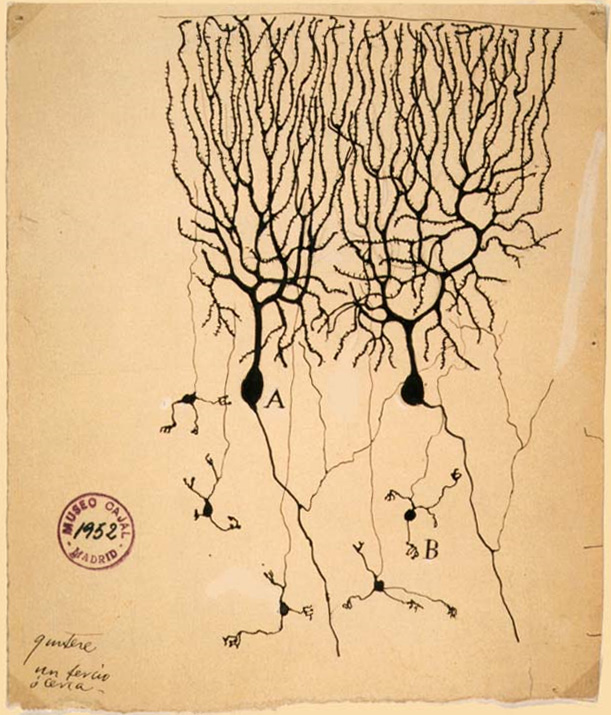
Santiago Ramón y Cajal's drawing of Purkinje cells


Judging from even the small percentage of talks that emphasized the neuro-fields, I can easily imagine a future iteration of Critical Juncture—or some other conference/workshop/organization entirely—fruitfully focusing specifically on interdisciplinary approaches to mind and brain (I leave it to you, organizers of the future, to generate some witty wordplay relying on synaptic junctions).


Beyond just talking between academic disciplines, conversations could link the academy with local artists and community-based movements (perhaps in the vein of Sickle and Flow, a project Christopher Lewis discussed at Critical Juncture). Such an event could draw together neuroscience and cognitive science researchers, visual and performance artists, activists and science communicators, scholars of the humanities and social scientists. Through mutual inquiry, perhaps participants could come away with new perspectives—a deeper sense of the historical context of a contemporary field of research (and why that might matter in the first place), a demystified understanding of the process by which colorful images are crafted from magnetic imaging, or a clearer awareness of the concerns and priorities of patients with neurological conditions.


What might emerge from a panel discussion of representations of mental illness including a mad pride activist, neuropsych researcher, science journalist, and a sociologist of health?


How might a conversation with a neuroscientist provide inspiration for piece of visual art? How might that art in turn help the neuroscientist see or teach their research in a new way? How might co-curating an exhibit, as Terranova and Wessner did, help people with different disciplinary training find mutual ground?


Could community-based projects and partnerships be initiated or strengthened through connections with new networks? (Eddie Gonzales, of StoryCorps Legacy, spoke on a panel at Critical Juncture, showing the emotional force of testimony and connection, but also calling for researchers to make use of the huge bank of archival documentation this project has amassed.)


A project of this kind need not take on a utopian or uncritical tone to be of use. As transdisciplinary team Des Fitzgerald, Melissa Littlefield, Kasper Knudsen, James Tonks, and Martin Dietz articulate in their fascinating article, “Ambivalence, equivocation and the politics of experimental knowledge: A transdisciplinary neuroscience encounter,” such encounters are not universally productive and can be hotbeds of negative affect. My own attempt to work across disciplines leaves me with significant anxiety about what is “lost in translation” as I try to render myself legible to a variety of readers or listeners—do I bastardize the specialized knowledge of my home discipline by oversimplifying or cutting jargon that has developed through decades of scholarly inquiry? To what extent is it possible to incorporate the insights of a field I don’t have five years of graduate training in? Interdisciplinary encounters, though, don’t need to ignore or sidestep these problems, but can make space to talk about them freely and collaborate nevertheless—to receive mentorship from others who have succeeded (or perhaps more productively, failed) in prior attempts to tackle these problems. I, for one, would love to attend a roundtable titled “my biggest interdisciplinary failure.”


Ultimately, it seems that one of the most concrete benefits emerging from sharing interdisciplinary spaces is the reminder of how our “home disciplines” are put together—their strengths, weaknesses, and methodologies. Other than the occasional sobering attempt to define our research interests at family gatherings, many of us end up spending a great deal of time with people who share our training, and hence, often, our assumptions about how the world works. Unless you have a special gift, trying to explain the tenets of your field to someone who hasn’t taken the same “methods” course as you is a humbling endeavor, but, I think, a crucial one. Our own ideologies and organizing principles have a way of becoming invisible to us, and at the very least, it’s worth shining a light a little brighter on them.


PS:


The conference is organized by graduate students each year, and only takes place when two or three students take on the task—so if any of you out there are reading and are interested in taking on the conference in years to come, this could be you! Feel free to reach out to me with questions.


Want to cite this post?


Grubbs, L. (2016). Notes from the field: Critical Juncture conference at Emory. The Neuroethics Blog. Retrieved on , from http://www.theneuroethicsblog.com/2016/05/notes-from-field-critical-juncture.html

Tuesday, September 15, 2015

Unintentional discrimination in clinical research: Why the small decisions matter

by Arthur T. Ryan, M.A. and Elaine F. Walker, Ph.D.


Arthur Ryan is a graduate student in clinical psychology at Emory University. His research focuses on understanding the etiology and neuropathology underlying severe mental illness.


Elaine Walker is a Professor of Psychology and Neuroscience in the Department of Psychology at Emory University and is the Director of the Development and Mental Health Research Program, which is supported by the National Institute of Mental Health. Her research is focused on child and adolescent development and the brain changes that are associated with adolescence. She is also a member of the AJOB Neuroscience editorial board.


Arthur Ryan, M.A.


Over the past several decades, there has been a significant effort to minimize bias against individuals based on ethnicity and other demographic factors through the creation of seemingly impartial and objective criteria across a host of domains. For example, when the United States Federal Sentencing Guidelines were created in the 1980’s, one of their primary goals was to alleviate “...unwarranted disparity among offenders with similar characteristics convicted of similar criminal conduct” [1]. Unfortunately, even well-intentioned efforts such as this one can still have a disparate negative impact upon historically marginalized groups, such as the well-documented disproportionate sentencing of black individuals due to differing rules governing offenses committed with crack vs. powdered cocaine [2]. Concerns about such inadvertent bias are not limited to the legal domain. Agencies that fund clinical investigations are paying greater attention to demographic representativeness and access to participation in health-related research.


Let us consider a hypothetical example, drawn from the authors’ own field of research in a US context, of how seemingly objective research design choices can results in biases in access to research participation. There is increasing evidence that inflammatory factors may play an important role in the etiology of schizophrenia and other psychotic illnesses [3]. One thing researchers do when attempting to understand a complex system like the human brain is to minimize external sources of variance. One readily identifiable correlate of inflammatory markers is body mass index (BMI) [4]. Schizophrenia itself is also correlated with BMI, such that patients tend to have a higher BMI than healthy individuals [5]. So a hypothetical researcher might reasonably say to herself, “Let me compare inflammatory markers in individuals with and without schizophrenia who have a BMI below 25 (BMIs of 25 or greater are considered to be medically overweight). That way, if I find a difference between the groups, I can more strongly conclude that the difference has to do with schizophrenia’s underlying pathology and was not due to individuals with schizophrenia being medically overweight.”


Elaine Walker, Ph.D.


Our hypothetical researcher’s experimental design choice is scientifically defensible and seemingly innocuous, but her decision may have unintended negative consequences. In a study of patients at the Grady Medical Clinic, an Atlanta primary care clinic serving inner city residents, 80% of black American women had a BMI of ≥ 25 [6]. Of particular note, the Grady Health System and its patients regularly participate in mental health research, including our own clinical studies, and the vast majority of those patients— around 85% [7]— are African American. So if our hypothetical researcher had unknowingly gone ahead with her BMI exclusion criterion and was recruiting from a similar population, she would effectively be excluding four out of five black American women from participating in her research, despite the disproportionately high number of black patients served. This would be more than a minor unfairness or lost opportunity for the individual women who could not participate: given the growing research literature showing that various biological and genetic risk markers have differential predictive utility across racial and ethnic groups, this hypothetical study might produce findings that are invalid for minority individuals. Because rates of schizophrenia seem to be similar across various racial groups and nationalities when measured by well-controlled studies, such an omission is not acceptable. If the study yielded results valid largely for one racial group, our hypothetical researcher would also be compromising one of her ethical obligations described under the Belmont Report, which requires that researchers avoid creating unjust patterns in the “...overall distribution of the burdens and benefits of research” [8]. The report explicitly extends this principle to research involving racial minorities and other historically exploited groups.


To reiterate, the preceding example was hypothetical and no such exclusionary criterion was employed in our own work. However, the possibility of research design choices having a discriminatory impact is no hypothetical hazard. In a 2006 review of randomized controlled drug trials, only 24% of participants were women [9], while a 2008 review of trials funded by the National Heart, Lung, and Blood Institute showed a mean female participation rate of 27% [10]. Even non-human females are underrepresented in research, with male-animal-only studies outnumbering female-animal-only studies at a roughly 5 : 1 ratio in neuroscience and pharmacology [11]. Such exclusion is even more notable considering that some conditions may be experienced at higher rates by those left out of such trials. For example, major depression affects women at an approximately 2:1 ratio [12]. So, theoretically, it would be particularly egregious to exclude women from antidepressant medication trials—and any research that sought to create a representative sample should include women at that same 2:1 ratio.


So why do male-only studies still predominate? Because it is cheaper and easier to conduct male-only studies. With less variance among individuals, experimental effects are easier to detect. In addition, male hormones fluctuate less over time and including women in drug trials necessitates extra experimental protections to prevent harm should one of the participants become pregnant. Again, this practice is not simply an unfairness to the individual women who would otherwise want to participate in medical research. FDA studies have shown that drug concentrations in blood and tissue can vary by as much as 40% between men and women, with similar variations in side effect profiles [13]. This shouldn’t be surprising as gene expression may vary between males and females by more than 50% in liver, fat, and muscle tissue [14]. It is clear that such a systematic policy of excluding women from research, even if it lacked any conscious discriminatory intent, could have serious, even life-threatening, consequences for women receiving medical treatment for years to come.


There is no way to completely prevent unintentional discriminatory sequelae of research design choices. And it would be naïve to believe that there will never be genuine tradeoffs that need to be weighed when designing research studies. Sometimes researchers will need to decide between sample representativeness and experimental control. The important point here is that if researchers make their decisions in a reflective and intentional manner, always considering the downstream consequences of their study design choices, they are more likely to identify and mitigate secondary negative consequences of their work. In doing so, they are increasing the scientific value of their work, as well as fulfilling their ethical obligations to promote beneficence and justice with their research.


References


1. United States Sentencing Commission. An Overview of the United States Sentencing Commission.

2. NPR. High Court Rules on Drug Sentencing Disparities.

3. Miller, B. J., Buckley, P., Seabolt, W., Mellor, A. & Kirkpatrick, B. Meta-Analysis of Cytokine Alterations in Schizophrenia: Clinical Status and Antipsychotic Effects. Biol. Psychiatry 70, 663–671 (2011).

4. Festa, A. et al. The relation of body fat mass and distribution to markers of chronic inflammation. Int. J. Obes. 25, 1407–1415 (2001).

5. Homel, P., Casey, D. & Allison, D. B. Changes in body mass index for individuals with and without schizophrenia, 1987–1996. Schizophr. Res. 55, 277–284 (2002).

6. Jacobson, T. A., Morton, F., Jacobson, K. L., Sharma, S. & Garcia, D. C. An assessment of obesity among African-American women in an inner city primary care clinic. J. Natl. Med. Assoc. 94, 1049–1057 (2002).

7. Saunders, S. P. & Campbell, C. L. The Word on the Street: Performing the Scriptures in the Urban Context., (Wipf and Stock Publishers, pp.23, 2006).

8. The National Commission for the Protection of Human Subjects of Biomedical and Behavioral Research. The Belmont Report: Ethical principles and guidelines for the protection of human subjects of research. (1979)

9. Geller, S. E., Adams, M. G. & Carnes, M. Adherence to Federal Guidelines for Reporting of Sex and Race/Ethnicity in Clinical Trials. J. Womens Health 15, 1123–1131 (2006).

10. Kim, E. S. H., Carrigan, T. P. & Menon, V. Enrollment of Women in National Heart, Lung, and Blood Institute-Funded Cardiovascular Randomized Controlled Trials Fails to Meet Current Federal Mandates for Inclusion. J. Am. Coll. Cardiol. 52, 672–673 (2008).

11. Beery, A. K. & Zucker, I. Sex Bias in Neuroscience and Biomedical Research. Neurosci. Biobehav. Rev. 35, 565–572 (2011).

12. Kessler, R. C. Epidemiology of women and depression. J. Affect. Disord. 74, 5–13 (2003).

13. Anderson, G. D. Sex and racial differences in pharmacological response: where is the evidence? Pharmacogenetics, pharmacokinetics, and pharmacodynamics. J. Womens Health 2002 14, 19–29 (2005).

14. Yang, X. et al. Tissue-specific expression and regulation of sexually dimorphic genes in mice. Genome Res. 16, 995–1004 (2006).


Want to cite this post?


Ryan, A and Walker, E. (2015). Unintentional discrimination in clinical research: Why the small decisions matter. The Neuroethics Blog. Retrieved on , from http://www.theneuroethicsblog.com/2015/09/unintentional-discrimination-in.html.

Tuesday, May 6, 2014

(en)Gendering psychiatric disease: what does sex/gender have to do with posttraumatic stress disorder (PTSD)?

Mallory Bowers is a 5th year Neuroscience doctoral candidate working with Dr. Kerry Ressler at Emory University. Prior to graduate school, Mallory received her Bachelor of Arts from the University of Pennsylvania. Mallory is interested in behavioral neuroscience, with a particular focus on how neural plasticity contributes to learning. With Dr. Ressler, Mallory is using a mouse model of exposure-based psychotherapy to better understand the neurobiology of learned fear. Specifically, her research focuses on a potential interaction between the cholecystokinin and endogenous cannabinoid systems that may underlie extinction of cued fear. Mallory was on the organizing committee for the 2013 “Bias in the Academy” Conference and is President of Emory Women in Neuroscience (E-WIN).


As I’ve become more entrenched in the PTSD field, I’ve been struck by the prominent sex/gender difference in the prevalence of PTSD (among many other psychiatric disorders) and the categorical use of male animal models. As researchers begin to explore sex differences in animal models of stress, anxiety, and fear, evidence suggests that male animals are more vulnerable to acute and chronic stress, while females appear to be more resilient (Cohen and Yehuda 2011). The results of these animal studies contradict the human epidemiological data, with lifetime prevalence of PTSD at 10-14% in women and 5-6% in men in the United States (Breslau, Davis, et al. 1991, Breslau, Davis, et al. 1997, Kessler, Sonnega, et al. 1995, Resnick, Kilpatrick, et al. 1993). In this post, I’d like to explore the ways in which socio-cultural conditioning genders an individual’s sense of self, influences definitions and language surrounding mental health, and supports frameworks of gender bias (a putative low-grade, chronic stressor) - potentially contributing to sex/gender differences observed in the prevalence of certain psychiatric disorders, specifically PTSD.


Sex and Gender Primer


Sex refers to the biological and physiological characteristics that define men and women, including sex chromosomes, gonads, and hormones. The definition of gender is more complicated, but generally refers to socially and culturally endorsed roles, behaviors, and activities for men and women. Gender can describe the relationship between one’s traits and one’s sense of self as male, female, or somewhere in between. Social and cultural influences promote gender scripts from infancy throughout adulthood. For the purposes of this post, I use the term sex/gender to acknowledge the importance of both physical and cultural features, particularly in describing the interpretations of data from human research.


Via BigStockPhoto.com


Importance of self-definition


Consistently, evidence from psychology research suggests that sense of self and self-definition (also referred to as self-construal) can function as a lens through which individuals can interpret information (Wyer and Srull 1984). Rigid gender roles in Western cultures, some have suggested, could differentially impact the development of self-construal (Cross and Madson 1997, Cross, Bacon, et al. 2000). In considering sex/gender differences in prevalence of PTSD, could a gendered self-construal precipitate risk for PTSD by influencing interpretation of trauma? In fact, trauma severity is thought to contribute to prevalence of PTSD, where trauma severity is defined by subjective emotional response that varies based on individual perception (Foa, Zinbarg, et al. 1992, Kessler, Sonnega, et al. 1995, Yehuda 2002, Yehuda 2004).


Interestingly, analysis of US epidemiological data reveals sex/gender differences in PTSD for certain types of trauma – specifically, trauma that involves interpersonal conflict. Kessler et al. find significant sex/gender differences in rates of PTSD when trauma involves molestation, physical attack, combat, shock, threat with a weapon, physical abuse, or witnessing injury or death (Breslau, Davis, et al. 1991, Kessler, Sonnega, et al. 1995). Men and women develop PTSD at comparable rates when trauma involves sudden injury, accident, natural disaster with fire, or witnessing injury or death (Breslau, Davis, et al. 1991, Kessler, Sonnega, et al. 1995). This suggests that it is not merely the presence of trauma, but the interpretation of a specific trauma that results in sex/gender differences in the prevalence of PTSD. If trauma severity - shaped by an individual’s subjective perception - influences risk for PTSD and perception (or self-construal) is gendered according to socio-cultural conditioning, then researchers need to address whether strict gender binaries influence self-construal and/or traits that differentially precipitate risk for PTSD.


Gendered representations of PTSD


Although I propose that gendered self-construals could interact with particular types of trauma, manifesting in differential rates of PTSD among men and women, this is likely not the sole mechanism contributing to sex/gender differences in rates of PTSD. One possibility is that sex/gender specific presentations of PTSD in men leads to “misdiagnosis”. Young girls who are exposed to trauma are more likely to report “internalizing” symptoms - depression, anxiety, and hyperarousal, whereas boys more often report “externalizing” symptoms, such as aggression and conduct problems (Buckner, Beardslee, et al. 2004, Gustafsson, Larsson, et al. 2009). Men present with more denial, emotion control, behavioral problems, suicidality, violence, and substance abuse following sexual trauma (Darves-Bornoz, Choquet, et al. 1998, Kaufman, Divasto, et al. 1980). These externalizing versus internalizing symptoms, some have posited, contribute to sex/gender differences in the diagnosis of antisocial personality disorder (ASPD) and borderline personality disorder (BPD) – which some have suggested are the same disorder with gender specific presentations (Hudziak, Boffeli, et al. 1996, Lobbestael, Arntz, et al. 2005). With differential rates of PTSD among men and women, potentially derived from differences in symptomatology, one reasonable question to ask is - are there gender essential psychiatric disorders? This is particularly interesting, as most psychiatric disorders are not diagnosed by “objective” measures, such as biomarkers, but by suites of symptoms characterized in the Diagnostic and Statistical Manual of Mental Disorders (DSM-V). This question might be clarified by comparing the symptomatology of psychiatric disorders that present with sex/gender differences.


The stress of gender bias


Moreover, is gender inequality generally stressful – possibly contributing to higher rates of PTSD and other psychiatric disorders in women? Notably, several international studies (conducted in Canada, Australia, Germany, and Switzerland) have not found significant sex/gender differences in the prevalence of PTSD (Creamer, Burgess, et al. 2001, Lukaschek, Kruse, et al. 2013, Maercker, Forstmeier, et al. 2008, Stein, Walker, et al. 1997). According to the 2013 Global Gender Gap report, these countries rank equal to or higher than the United States on an index measuring the percentage of inequality between men and women that has been closed (meaning, these countries have lower rates of sex/gender inequality than the United States). The stress of microaggressions (Sue 2010) related to gender bias and discrimination is likely to exert long-term ramifications, potentially contributing to rates of psychiatric disease like PTSD, as research demonstrates that pre-trauma risk factors like life stress predict PTSD (Brewin, Andrews, et al. 2000).


Interestingly, researchers have begun to uncover links between chronic stress - which often precipitates psychiatric disease - and rates of cellular aging. Cellular environment, which can be regulated by perceived stress via oxidative stress, plays an important role in controlling telomere length (Epel, Blackburn, et al. 2004). Telomeres are regions of repetitive nucleotide sequences that protect the end of chromosomes. Telomeres protect gene truncation during DNA replication, as DNA polymerases are unable to continue DNA duplication through the end of chromosomes (Blackburn and Gall 1978). Studies suggest that oxidative stress shortens telomeres, and that antioxidants can decrease the rate of shortening (von Zglinicki 2002). African-Americans who are subject to significant racial discrimination, due to “weathering” or higher psychosocial stress, exhibit greater rates of telomere shortening compared to Caucasians (Rewak, Buka, et al. 2014). Further, African-Americans who report more interpersonal experiences of racial discrimination and have greater internalized negative racial bias have shorter telomere lengths compared to other African-Americans (Chae, Nuru-Jeter, et al. 2014). Some researchers report higher rates of PTSD among African-Americans compared to other races, although the literature is mixed, potentially due to problems of underreporting of psychiatric disease in African-Americans (Breslau and Anthony 2007, Kessler, Sonnega, et al. 1995). As in African-Americans, telomere length could provide a biological correlate of psychosocial stress due to gender bias, which could, in part, offer an explanation as to why women are more likely to develop PTSD. Addressing the question of whether the stress of gender inequality contributes to higher rates of PTSD and other psychiatric disorders is likely to be extremely complicated. However, the results of these studies could be transformative in how we think about psychiatric disease and how we might design and conduct future research to identify novel targets for treating and preventing PTSD.


Telomere Shortening (via nia.nih.gov)


Future directions and recommendations


By exclusively focusing on animal studies, or worse – conflating sex and gender in human research, researchers may accidentally disregard an important source of influence on neurobiology – society and culture. To avoid this ambiguity, scientists are advised to be discerning when referring to “sex” and “gender” in the interpretation of data (e.g. gender may not be appropriate when discussing a mouse model). As most human research is correlative, researchers will be unable to tease apart whether differences are attributed to sex or gender (to state otherwise would be un-scientific). Additionally, sex and gender influences are not necessarily mutually exclusive. Therefore, data interpretations should acknowledge as much.


Future scientific endeavors, particularly in the investigation of sex/gender differences in the prevalence of PTSD, will benefit from an alliance with the humanities who can provide a rich knowledge on how sociocultural factors shape conceptions of not only gender, but also illness. In this way, researchers can more thoroughly parse through risk factors for PTSD, such as differences in self-construal and gender bias. Furthermore, cross disciplinary, collaborative dialogue between the sciences would create more inclusive definitions of mental illness, as outlined by the DSM-V.


In highlighting the ways that society and culture influence the etiology and definition of PTSD, I hope I’ve underlined the work that needs to be done in order to bridge the gap in our understanding of psychiatric disease.


References


Blackburn, E.H. and J.G. Gall (1978). A tandemly repeated sequence at the termini of the extrachromosomal ribosomal RNA genes in Tetrahymena. J Mol Biol 120 (1): p. 33-53.

Breslau, N., G.C. Davis, P. Andreski, and E. Peterson (1991). Traumatic events and posttraumatic stress disorder in an urban population of young adults. Arch Gen Psychiatry 48 (3): p. 216-22.

Breslau, N., G.C. Davis, P. Andreski, E.L. Peterson, and L.R. Schultz (1997). Sex differences in posttraumatic stress disorder. Arch Gen Psychiatry 54 (11): p. 1044-8.

Breslau, N. and J.C. Anthony (2007). Gender differences in the sensitivity to posttraumatic stress disorder: An epidemiological study of urban young adults. J Abnorm Psychol 116 (3): p. 607-11.

Brewin, C.R., B. Andrews, and J.D. Valentine (2000). Meta-analysis of risk factors for posttraumatic stress disorder in trauma-exposed adults. J Consult Clin Psychol 68 (5): p. 748-66.

Buckner, J.C., W.R. Beardslee, and E.L. Bassuk (2004). Exposure to violence and low-income children's mental health: direct, moderated, and mediated relations. Am J Orthopsychiatry 74 (4): p. 413-23.

Chae, D.H., A.M. Nuru-Jeter, N.E. Adler, G.H. Brody, J. Lin, E.H. Blackburn, et al. (2014). Discrimination, racial bias, and telomere length in African-American men. Am J Prev Med 46 (2): p. 103-11.

Cohen, H. and R. Yehuda (2011). Gender differences in animal models of posttraumatic stress disorder. Dis Markers 30 (2-3): p. 141-50.

Creamer, M., P. Burgess, and A.C. McFarlane (2001). Post-traumatic stress disorder: findings from the Australian National Survey of Mental Health and Well-being. Psychol Med 31 (7): p. 1237-47.

Cross, S.E. and L. Madson (1997). Models of the self: self-construals and gender. Psychol Bull 122 (1): p. 5-37.

Cross, S.E., P.L. Bacon, and M.L. Morris (2000). The relational-interdependent self-construal and relationships. J Pers Soc Psychol 78 (4): p. 791-808.

Darves-Bornoz, J.M., M. Choquet, S. Ledoux, I. Gasquet, and R. Manfredi (1998). Gender differences in symptoms of adolescents reporting sexual assault. Soc Psychiatry Psychiatr Epidemiol 33 (3): p. 111-7.

Epel, E.S., E.H. Blackburn, J. Lin, F.S. Dhabhar, N.E. Adler, J.D. Morrow, et al. (2004). Accelerated telomere shortening in response to life stress. Proc Natl Acad Sci U S A 101 (49): p. 17312-5.

Foa, E.B., R. Zinbarg, and B.O. Rothbaum (1992). Uncontrollability and unpredictability in post-traumatic stress disorder: an animal model. Psychol Bull 112 (2): p. 218-38.

Gustafsson, P.E., I. Larsson, N. Nelson, and P.A. Gustafsson (2009). Sociocultural disadvantage, traumatic life events, and psychiatric symptoms in preadolescent children. Am J Orthopsychiatry 79 (3): p. 387-97.

Hudziak, J.J., T.J. Boffeli, J.J. Kreisman, M.M. Battaglia, C. Stanger, and S.B. Guze (1996). Clinical study of the relation of borderline personality disorder to Briquet's syndrome (hysteria), somatization disorder, antisocial personality disorder, and substance abuse disorders. Am J Psychiatry 153 (12): p. 1598-606.

Kaufman, A., P. Divasto, R. Jackson, D. Voorhees, and J. Christy (1980). Male rape victims: noninstitutionalized assault. Am J Psychiatry 137 (2): p. 221-3.

Kessler, R.C., A. Sonnega, E. Bromet, M. Hughes, and C.B. Nelson (1995). Posttraumatic stress disorder in the National Comorbidity Survey. Arch Gen Psychiatry 52 (12): p. 1048-60.

Lobbestael, J., A. Arntz, and S. Sieswerda (2005). Schema modes and childhood abuse in borderline and antisocial personality disorders. J Behav Ther Exp Psychiatry 36 (3): p. 240-53.

Lukaschek, K., J. Kruse, R.T. Emeny, M.E. Lacruz, A. von Eisenhart Rothe, and K.H. Ladwig (2013). Lifetime traumatic experiences and their impact on PTSD: a general population study. Soc Psychiatry Psychiatr Epidemiol 48 (4): p. 525-32.

Maercker, A., S. Forstmeier, A. Enzler, G. Krusi, E. Horler, C. Maier, et al. (2008). Adjustment disorders, posttraumatic stress disorder, and depressive disorders in old age: findings from a community survey. Compr Psychiatry 49 (2): p. 113-20.

Resnick, H.S., D.G. Kilpatrick, B.S. Dansky, B.E. Saunders, and C.L. Best (1993). Prevalence of civilian trauma and posttraumatic stress disorder in a representative national sample of women. J Consult Clin Psychol 61 (6): p. 984-91.

Rewak, M., S. Buka, J. Prescott, I. De Vivo, E.B. Loucks, I. Kawachi, et al. (2014). Race-related health disparities and biological aging: Does rate of telomere shortening differ across blacks and whites? Biol Psychol 99C: p. 92-99.

Stein, M.B., J.R. Walker, A.L. Hazen, and D.R. Forde (1997). Full and partial posttraumatic stress disorder: findings from a community survey. Am J Psychiatry 154 (8): p. 1114-9.

Sue, D.W. (2010) Microaggressions in everyday life : race, gender, and sexual orientation. Series2010, Hoboken, N.J.: Wiley. xxiii, 328 p.

von Zglinicki, T. (2002). Oxidative stress shortens telomeres. Trends Biochem Sci 27 (7): p. 339-44.

Wyer, R.S. and T.K. Srull (1984) Handbook of social cognition. Series1984, Hillsdale, N.J.: L. Erlbaum Associates. v. <1>.

Yehuda, R. (2002). Post-traumatic stress disorder. N Engl J Med 346 (2): p. 108-14.

Yehuda, R. (2004). Risk and resilience in posttraumatic stress disorder. J Clin Psychiatry 65 Suppl 1: p. 29-36.


Want to cite this post?


Bowers, M. (2014). (en)Gendering psychiatric disease: what does sex/gender have to do with posttraumatic stress disorder (PTSD)? The Neuroethics Blog. Retrieved on , from http://www.theneuroethicsblog.com/2014/05/engendering-psychiatric-disease-what.html

Tuesday, December 3, 2013

Neuroethics Journal Club: Neural Correlates of Negative Stereotype

Our everyday perceptions of others
can potentially be biased by cultural stereotypes. However, research has
suggested that an initial, and often negative, stereotype can be downregulated
via a highly connected neural network. While this regulatory process has been studied
under neutral conditions, for the third journal club of the semester
Neuroscience graduate student Kim Lang led a discussion about regulation of
this neural network when White individuals are not under neutral conditions,
but actually primed for negative African American stereotyping.


A recent paper published by Forbes et al. used functional magnetic
resonance imaging (fMRI) to study the amygdala, the prefrontal cortex (PFC),
and the orbitofrontal cortex (OFC), three highly interconnected brain regions
important for stereotyping and bias. Studies have shown that the amygdala,
involved in arousal, is activated immediately when encountering a so-called
out-group member. This first response can be downregulated though if an
individual is given time for non-biased deliberation, and this is reflected by
activation in the PFC. The OFC is the regulator of these two neural regions,
especially if initial negative stereotyping is in conflict with an egalitarian
view. Prior research has shown this amygdala inhibition by the lateral PFC
region with an experiment where White participants were shown Black faces in
either rapid succession (30 ms) or at a slower rate (525 ms). When participants
did not have time to reflect on the faces during the fast exposure speeds,
enhanced amygdala activation was observed reflecting the early arousing
response. During the slow exposure time condition though, amygdala activity was
not enhanced.  Instead, increased activity
was observed in the dorsolateral prefrontal cortex (DLPFC), which correlates
with decreased amygdala activation (Cunningham et al.). This study suggests that if given enough time, a biased
view reflected in the activation of the amygdala, can be reconsidered.


Adapted from The Jury Expert


The authors of the paper for
journal club discussion (Forbes et al.)
took this previous experiment further and studied the activation of the
amygdala when White participants were exposed to Black faces at either 30 ms or
525 ms in the presence of violent and misogynistic rap (VMR) to create a
situation that is primed for negative African American stereotyping. While
evidence shows that individuals are able to downregulate the initial arousal
and response to stereotypes, researchers hypothesized that if stereotypical or
suggestive music were playing, then individuals would be less likely to downregulate
the response even if given ample time to consider the situation. In other words,
during the slow showing of Black faces in the presence of VMR, White
participants would show a prolonged amygdala response instead of a downregulation.  “Straight Outta Compton”
by NWA was rated high by participants and chosen as the song to represent Black
American stereotyping in the study. To prime for negative stereotyping, but not
African American stereotyping, participants were also asked to rate a death
metal (DM) song, since this genre of music is typically associated with White
American culture. “Only
One”
by Slipknot was chosen based on a similarity in tempo and violent
references to “Straight Outta Compton.” Participants were then shown
expressionless Black and White male faces at either the fast (30 ms) or the
slow (525 ms) rate while listening to VMR, DM, or no music (NM) while the fMRI
scans were completed. After the scanning, participants were asked general
questions regarding their feelings toward the song, whether they owned any of
the songs (no participants did), and how they rated themselves on the Modern
Racism Scale
3 and the Motivation to Respond Without Prejudice
Scale4.


Based on the responses to the two
rating systems, participants reported being non-prejudiced and motivated to
regulate their biases, and the fMRI scans of the amygdala during the slow scan
with NM reflected this. Consistent with previous work (Cunningham et al.), when participants were exposed
to the faces at the fast rate, amygdala activation was observed and during the
slow speed, OFC and DLPFC activation was recorded. When participants were
exposed to Black and White faces at the fast speed in the presence of DM, no
activation at the amygdala, OFC, or the DLPFC was observed. Similar to NM, at
the slow speed during DM, activation of the OFC and DLPFC regions was still
greater when seeing the Black faces compared to White faces, suggesting that
participants were still engaging in a deeper processing of the Black faces. The
focus of the hypothesis was the activation of brain regions in participants
when VMR was playing. As predicted, when Black faces were displayed during the
fast exposure, greater amygdala activation was observed compared to White faces.
During the slow speed, participants still showed higher amygdala activity when
seeing Black faces compared to White faces, but also increased OFC and DLPFC
activation.


When comparing results across the
two types of music and the context with no music, greater amygdala activation
was seen during the fast and slow exposures for VMR than for NM and DM. As
expected, greater DLPFC activity was seen for the fast and slow exposures for
NM and DM compared to VMR. Interestingly, when exposed to the fast speed,
greater OFC activation was seen for VMR compared to NM and DM. However, during
the slow speed exposure, the opposite was observed, and greater OFC activity
was seen for NM and DM compared to VMR. These findings suggest that not only is
there a continuum of neural processing during slow and fast social cognitive
assessments, but the lack of downregulation in the amygdala during the fast and
slow speed exposure for VMR is evidence that although White individuals can control
an initial, arousing reaction to a Black individual in a neutral context, this
is more difficult when the situation lends itself to negative stereotyping. The
authors offer two possible interpretations for this lack of downregulation in
the VMR scenario. Either exposure to the VMR causes a prolonged amygdala
response that is cognitively taxing on other neural regions, making it
difficult to control a response or the VMR justifies the initial response and
reinforces that stereotype.


From Forbes et al.


Whether a situation that is primed
for negative stereotyping makes deliberation more cognitively taxing or
justifies an initial stereotype, brain activation isn’t predictive for
behavioral responses since similar activation patterns in individuals do not
always give rise to similar behaviors. Although this study was more
representative of everyday circumstances than the previous study with neutral
conditions, it would be interesting to measure the neural activity of
individuals when encountering situations that prime for negative
stereotypes.  Even if there is typically
a lack of amygdala downregulation, does this mean that individuals still
behaviorally restrain themselves?


A second experiment that was
discussed during journal club as a potential follow-up to this paper would be
to repeat the fast and slow exposures of Black faces during the three different
musical contexts, but with Black participants instead of White participants.
“Straight Outta Compton” is not subtle, but instead overtly violent and
misogynistic, and it could be that people
of all races would have an arousing response in the amygdala that would be
difficult to regulate strictly due to the nature of the lyrics – not because
the song stereotypes African American culture. Of course it is a matter of
opinion whether “Only One” really mimics “Straight Outta Compton,” or whether
“Straight Outta Compton” is truly violent and misogynistic, so the experiments
could be repeated with more and different songs to help confirm the hypothesis
that “when something as subtle as a rap song is played in the background,”
White individuals negatively stereotype Black Americans (Forbes et al.).


More research will most likely be
done in the future, but these results do have larger implications to consider for
society today. Knowing that even in tolerant individuals with an egalitarian
viewpoint the amygdala is activated and can be difficult to downregulate, does
this mean that neural activation would justify racial violence, especially in a
court case? Should defense attorneys ever be able to claim that this activity
in a context that primes for negative stereotyping is a valid defense for a
violent or egregious crime against an out-group member? As neuroscience
research becomes more sophisticated, more debates will follow about where we
draw the line for allowing scientific research as evidence in the courtroom and
when we must hold the individual solely responsible. In the meantime, hopefully
when encountering an out-group member, we will consider that negative
stereotypical contexts may prime us for negative stereotyping due to a complex
neural interaction that is somewhat out of our control. If we are conscious
that we have difficulties mediating initial responses, perhaps more conscious tolerance
and reflection could follow a circumstance where an initial judgment seems
justified based on contextual cues.


References


  1. Forbes, C.E., Cox, C.L., Schmader, T., Ryan, L.
    (2011). Negative stereotype activation alters interaction between neural
    correlates of arousal, inhibition and cognitive control. Social Cognitive and Affective Neuroscience, 7, 771.


  2. Cunningham,
    W.A., Johnson, M.K., Raye, C.L., Gatenby, J.C., Gore, J.C., Banaji, M.R.
    (2004). Separable neural components in the processing of Black and White faces. Psychological Science, 15, 806–13.


  3. McConahay,
    J.B. (1986). Modern racism, ambivalence, and the modern racism scale. In:
    Dovidio, J.F., Gaertner, S.L., editors. Prejudice, Discrimination, and Racism (pp. 91–125). Orlando,
    FL: Academic Press.


  4. Plant,
    E.A., Devine, P.G. (1998). Internal and external motivation to respond without
    prejudice. Journal of Personality and Social Psychology, 75, 811–32. 


Want to cite this post?


Strong, K. (2013). Neuroethics Journal Club: Neural Correlates of Negative Stereotype. The Neuroethics Blog. Retrieved on
, from http://www.theneuroethicsblog.com/2013/12/neuroethics-journal-club-neural.html

Tuesday, September 24, 2013

Intelligence Testing: Accurate or Extremely Biased?


By Emily Young


In the early 1900s, psychologist Charles Spearman noticed that children who did well in one subject in school were likely to do well in other subjects as well, and those who did poorly in one subject were likely to do poorly across all subjects. He concluded that there is a factor, g, which correlates with testing performance (Spearman 1904). The g factor is defined as the measure of the variance of testing performance between individuals and is sometimes called “general intelligence”.


Later on, psychologist Raymond Cattell determined that there are two subsets of g, called fluid intelligence (denoted Gf) and crystallized intelligence (denoted Gc). Fluid intelligence is defined as abstract reasoning or logic; it is an individual’s ability to solve a novel problem or puzzle. Crystalized intelligence is more knowledge based, and is defined as the ability to use one’s learned skills, knowledge, and experience (Cattell 1987). It is important to note that while crystallized intelligence relies on knowledge, it is not a measure of knowledge but rather a measure of the ability to use one’s knowledge.


The first standardized intelligence test was created in 1905 by French Psychologist Albert Binet, as a method to screen for mental retardation in French schoolboys. The test measured intelligence by comparing an individual’s score to the average score of children his own age (Binet 1905). The test was later revised by Lewis Terman of Stanford University and named the Stanford-Binet Intelligence Scales. The Stanford-Binet is now in its fifth edition and includes five sections: fluid reasoning, knowledge, quantitative reasoning, visual-spatial processing, and working memory.


Since the Stanford-Binet, many other standardized intelligence scales have been developed. One of the most popular modern intelligence tests is the Raven’s Progressive Matrices (RPM) test (Raven, 2003). The test gives individuals a series of boxes, each containing shapes that change from box to box, and a box that is empty. The test taker must recognize the pattern that is shown and correctly identify the shape that should go in the empty box from a collection of options. Unlike the Stanford-Binet, RPM is entirely visual; the test taker does not have to answer written questions, meaning the measured IQ is not dependent on reading comprehension. This allows for better testing that eliminates variables such as native language, age, and possible reading disability.


A general example of the questions on the Raven’s Progessive Matrices test.


So what exactly are these IQ tests measuring? The Stanford-Binet measures g through tasks that measure both Gf and Gc. Because RPM is entirely non-verbal and puzzle based, it almost exclusively measures Gf.


Which brings us to the next question; are these tests effectively measuring g?


Since their creation, modern Western intelligence testing has shown a difference in average intelligence, varying from group to group; whites score higher than blacks, the rich score higher than the poor. In some tests, women and men score differently from task to task. Are these differences due to heritable differences in intelligence between race, gender, and socioeconomic status? Or are environment, schooling, and stigma to blame? Or, are the tests themselves flawed?


While intelligence tests claim to be culture-fair, none of the tests created so far are one hundred percent unbiased. As Serpell (1979) found, when asked to reproduce figures from using wire, pencil and paper, and clay, Zambian children performed better in the wire task, while English children performed better in the pencil and paper task. Each group did better in the medium to which they were more accustomed. Pencil and paper IQ tests may be intrinsically biased towards Western culture.


Furthermore, while African-Americans have historically scored lower than white Americans on intelligence testing, this gap as been lessening in recent years (Dickens and Flynn 2006). This could be the result of one of two things; the first possibility is that average intelligence is increasing in the black community at a higher rate than in the white community (measured intelligence has been steadily increasing across all groups due to the Flynn effect). However, it seems more likely that post-segregation, white and black cultures have been merging, and schools have been integrated, meaning that white and black children have a better chance of receiving the same education. If this is the case, IQ tests are either measuring knowledge more than the test creators think they do, or the tests are extremely culturally biased, but this bias is lessening due to assimilation of white and black culture in America.


Not only are intelligence tests culturally biased, but they also seem to be biased in favor of neurotypical individuals. For example, while typically developing individuals generally perform similarly on RPM and the Wechsler Adult Intelligence Scale (WAIS), individuals with Autism typically score higher on RPM than on WAIS (Bolte et al. 2009, Mottron 2004). This is because while RPM is a visual task, WAIS is almost entirely verbal. Individuals with autism seem to use visual strategies to solve tasks and therefore have difficulty on tasks that can only be solved verbally (Kunda and Goel 2010). While this phenomenon is typically seen as a cognitive deficit, it is important to note that autistic individuals outperform neurotypical individuals on some visual tasks.


Therefore, by only measuring one specific part of intelligence, some IQ tests portray autistic individuals as having a cognitive deficit. What if some disorders, such as autism, are not actually disorders, but simply a way of thinking that differs from what is considered “normal”?


For example, Dr. Temple Grandin, an autistic woman with a PhD in Animal Sciences, uses her incredible visual working memory to design cattle equipment that is much more humane and far less anxiety-inducing than previous models. Grandin says her autism allows her to see the world in pictures; her inner thoughts are entirely devoid of language, she simply thinks in extremely detailed movies. She says her visual memory and sensitivity to details has allowed her to be so good at designing things, because details that neurotypical people gloss over are extremely important to her and end up making a huge difference in the efficiency of the final product.


Temple Grandin utilized her incredible working memory to design humane cattle-holding equipment for the agriculture industry.


Autism may not be the only example of a disorder being mischaracterized. Studies have shown that children with ADHD on average have lower IQs than neurotypical children (Kuntsi, 2003). However, in his TEDx talk, Stephen Tonti, a senior at Carnegie Mellon, discusses why he believes ADHD is not a disorder, but simply a difference in cognition. Tonti argues that by viewing ADHD as a disorder implies that it needs to be fixed. He states that his ADHD makes him better at some tasks than neurotypical individuals, and that the world needs a diversity of cognition in order to run smoothly.


Therefore, while IQ tests are intended to measure intelligence, they often only measure one type of intelligence, and are therefore biased against certain groups of people. By trying to fit cognition into a box, IQ testing disvalues cognitive diversity. This may be causing negative impacts. By telling an individual that their intelligence is low when in fact it is simply different, we could not only be holding people back, but we might also be depriving the world of a diverse group of thinkers that could solve problems from a different perspective.


Even if current IQ tests are not fair across all groups, the future of intelligence testing may be brighter; as discussed previously on the Neuroethics Blog, fMRI intelligence testing could eliminate biases in intelligence testing. By observing testers’ thought processes in action, researchers would be able to see which brain pathways a subject recruits to solve a test, and whether he or she uses a visual or verbal approach to the question, thereby observing fluid and crystal intelligence in action.


References


Binet, Alfred. (1905) L'Annee Psychologique, 12,191-244.


Bölte, S., Dziobek, I., & Poustka, F. “Brief report: The level and nature of autistic intelligence revisited”. Journal of Autism and Developmental Disorders 39 (2009): 678–682.


Cattell, Raymond B., and Raymond B. Cattell. "The Discovery of Fluid and Crystallized General Intelligence." Intelligence: Its Structure, Growth, and Action. Amsterdam: North-Holland, 1987. 87-120. Print.


Dickens, William T., and James R. Flynn. "Black Americans Reduce the Racial IQ Gap: Evidence from Standardization Samples." Psychological Science 17.10 (2006): 913-20. Web.


Kunda, Maithilee, and Ashok K. Goel. "Thinking in Pictures as a Cognitive Account of Autism." Journal of Autism and Developmental Disorders 41.9 (2011): 1157-177. Print.


Kuntsi, J., T.C. Eley, A. Taylor, C. Hughes, P. Asherson, A. Caspi, and T.E. Moffitt. "Co-occurrence of ADHD and Low IQ Has Genetic Origins." American Journal of Medical Genetics 124B.1 (2004): 41-47. Print.


Mottron, Laurent, Michelle Dawson, Isabelle Soulières, Benedicte Hubert, and Jake Burack. "Enhanced Perceptual Functioning in Autism: An Update, and Eight Principles of Autistic Perception." Journal of Autism and Developmental Disorders 36.1 (2006): 27-43. Print.


Raven, J., J. C. Raven, and J. Court. Manual for Raven’s Progressive Matrices and Vocabulary Scales, Section I: General Overview. San Antonio: Harcourt Assessment, 2003. Print.


Serpell, Robert. "How Specific Are Perceptual Skills? A Cross-cultural Study of Pattern Reproduction." British Journal of Psychology 70.3 (1979): 365-80. Print.


Spearman, Charles E. "'General Intelligence', Objectively Determined And Measured." American Journal of Psychology 15 (1904): 201-93. Web.


Want to cite this post?


Young, E. (2013). Intelligence Testing: Accurate, or Extremely Biased? Retrieved on , from http://www.theneuroethicsblog.com/2013/09/intelligence-testing-accurate-or.html