Pages

Showing posts with label Stress. Show all posts

Tuesday, September 8, 2015

Is trauma in our genes? Ethical implications of epigenetic findings

by Neil Levy


Neil Levy is professor of philosophy at Macquarie University, Sydney and deputy director of the Oxford Centre for Neuroethics. He is the author of 7 books, including Neuroethics (2007) and Consciousness and Moral Responsibility (2014), and edits the journal Neuroethics. He is also a member of the AJOB Neuroscience board.


A recent study by Rachel Yehuda et al. in Biological Psychiatry provided further evidence for the genetic transmission of acquired characteristics, by showing that Holocaust survivors passed certain acquired genetic markers to their children. The idea that acquired characteristics can be genetically transmitted is (roughly) equivalent to the doctrine of Lamarckism, and was long considered a heresy in biology. [Editor's note: see also Ryan Purcell's 2014 post for this blog on the relationship between Lamarckism and epigenetics.] According to the Darwinian orthodoxy, traits change because randomly occurring mutations confer a relative fitness advantage on some organisms, not because they change their behaviour, and that change then comes to be encoded in the genes. But the orthodoxy has long been shattered. Scientists now recognize that the story is a lot more complex than that.


This new study is of central interest to neuroethics for many reasons. One is that the trait in question is psychological, or at least very plausibly underlies a disposition to certain psychological responses, given the right circumstances. Children of Holocaust survivors are themselves at higher risk for stress disorders: a propensity to stress disorders is inherited. How does the inheritance work? One possibility is that their parents behave differently, due to the trauma they experienced, and this difference in how they treat their children causes the difference in susceptibility. Another possibility is that the trauma caused an alteration in the genes of the parents, and this alteration was then transmitted biologically – in the DNA or cytoplasm – to children. Of course, these are not exclusive possibilities – its very likely that people who have been massively traumatized have persisting psychological problems that affect their parenting. The new study strongly suggests that in addition to any such transmission of a vulnerability to stress disorders, there is also biological transmission. In effect, the children of Holocaust survivors were born with bodies “prepared” for stress. What might have been (somewhat) protective, had their world been as massively awful as their parents’, proved instead to be maladaptive.


Buchenwald concentration camp, WWII


Studies like this show that many of the subdisciplinary boundaries we are wont to draw – bioethics or even genethics versus neuroethics, for instance – do not mark boundaries that nature respects. While it is a mistake, I think, to identify the mind with the brain, the mind is nevertheless dependent on and realized by entirely physical properties: it falls within the province of those studying the body and how it is constructed. Equally, bioethics doesn’t have an exclusive right to the somatic: in order to understand the mind, we need to be able to understand the somatic too.


The study has an upshot, too, for one of the most cherished distinctions in genethics: between ‘germline’ and ‘somatic’ interventions. Many bioethicists think it is permissible for adults to make changes in themselves so long as they limit those changes to cells that will not be transmitted to future generations. But epigenetic effects, which are only just beginning to be understood, make this distinction extremely hard to draw. In fact, interventions may be transmissible in indirect and unsuspected ways: people may change their environment, which changes their cells in ways that are then transmitted. The very idea that germline interventions are more problematic may be a product of a mistaken view about genes as especially powerful and uniquely segregated units of reproduction. In fact, we transmit all kinds of things to future generations, by all kinds of causal routes, from shared culture to built environment to ideas to DNA and other cellular resources. All these factors are inextricably intertwined and none are causally privileged as the dominant cause of the resulting people.


Want to cite this post?


Levy, N. (2015). Is trauma in our genes? Ethical implications of epigenetic findings. The Neuroethics Blog. Retrieved on Retrieved on , from http://www.theneuroethicsblog.com/2015/09/is-trauma-in-our-genes-ethical.html


Tuesday, May 6, 2014

(en)Gendering psychiatric disease: what does sex/gender have to do with posttraumatic stress disorder (PTSD)?

Mallory Bowers is a 5th year Neuroscience doctoral candidate working with Dr. Kerry Ressler at Emory University. Prior to graduate school, Mallory received her Bachelor of Arts from the University of Pennsylvania. Mallory is interested in behavioral neuroscience, with a particular focus on how neural plasticity contributes to learning. With Dr. Ressler, Mallory is using a mouse model of exposure-based psychotherapy to better understand the neurobiology of learned fear. Specifically, her research focuses on a potential interaction between the cholecystokinin and endogenous cannabinoid systems that may underlie extinction of cued fear. Mallory was on the organizing committee for the 2013 “Bias in the Academy” Conference and is President of Emory Women in Neuroscience (E-WIN).


As I’ve become more entrenched in the PTSD field, I’ve been struck by the prominent sex/gender difference in the prevalence of PTSD (among many other psychiatric disorders) and the categorical use of male animal models. As researchers begin to explore sex differences in animal models of stress, anxiety, and fear, evidence suggests that male animals are more vulnerable to acute and chronic stress, while females appear to be more resilient (Cohen and Yehuda 2011). The results of these animal studies contradict the human epidemiological data, with lifetime prevalence of PTSD at 10-14% in women and 5-6% in men in the United States (Breslau, Davis, et al. 1991, Breslau, Davis, et al. 1997, Kessler, Sonnega, et al. 1995, Resnick, Kilpatrick, et al. 1993). In this post, I’d like to explore the ways in which socio-cultural conditioning genders an individual’s sense of self, influences definitions and language surrounding mental health, and supports frameworks of gender bias (a putative low-grade, chronic stressor) - potentially contributing to sex/gender differences observed in the prevalence of certain psychiatric disorders, specifically PTSD.


Sex and Gender Primer


Sex refers to the biological and physiological characteristics that define men and women, including sex chromosomes, gonads, and hormones. The definition of gender is more complicated, but generally refers to socially and culturally endorsed roles, behaviors, and activities for men and women. Gender can describe the relationship between one’s traits and one’s sense of self as male, female, or somewhere in between. Social and cultural influences promote gender scripts from infancy throughout adulthood. For the purposes of this post, I use the term sex/gender to acknowledge the importance of both physical and cultural features, particularly in describing the interpretations of data from human research.


Via BigStockPhoto.com


Importance of self-definition


Consistently, evidence from psychology research suggests that sense of self and self-definition (also referred to as self-construal) can function as a lens through which individuals can interpret information (Wyer and Srull 1984). Rigid gender roles in Western cultures, some have suggested, could differentially impact the development of self-construal (Cross and Madson 1997, Cross, Bacon, et al. 2000). In considering sex/gender differences in prevalence of PTSD, could a gendered self-construal precipitate risk for PTSD by influencing interpretation of trauma? In fact, trauma severity is thought to contribute to prevalence of PTSD, where trauma severity is defined by subjective emotional response that varies based on individual perception (Foa, Zinbarg, et al. 1992, Kessler, Sonnega, et al. 1995, Yehuda 2002, Yehuda 2004).


Interestingly, analysis of US epidemiological data reveals sex/gender differences in PTSD for certain types of trauma – specifically, trauma that involves interpersonal conflict. Kessler et al. find significant sex/gender differences in rates of PTSD when trauma involves molestation, physical attack, combat, shock, threat with a weapon, physical abuse, or witnessing injury or death (Breslau, Davis, et al. 1991, Kessler, Sonnega, et al. 1995). Men and women develop PTSD at comparable rates when trauma involves sudden injury, accident, natural disaster with fire, or witnessing injury or death (Breslau, Davis, et al. 1991, Kessler, Sonnega, et al. 1995). This suggests that it is not merely the presence of trauma, but the interpretation of a specific trauma that results in sex/gender differences in the prevalence of PTSD. If trauma severity - shaped by an individual’s subjective perception - influences risk for PTSD and perception (or self-construal) is gendered according to socio-cultural conditioning, then researchers need to address whether strict gender binaries influence self-construal and/or traits that differentially precipitate risk for PTSD.


Gendered representations of PTSD


Although I propose that gendered self-construals could interact with particular types of trauma, manifesting in differential rates of PTSD among men and women, this is likely not the sole mechanism contributing to sex/gender differences in rates of PTSD. One possibility is that sex/gender specific presentations of PTSD in men leads to “misdiagnosis”. Young girls who are exposed to trauma are more likely to report “internalizing” symptoms - depression, anxiety, and hyperarousal, whereas boys more often report “externalizing” symptoms, such as aggression and conduct problems (Buckner, Beardslee, et al. 2004, Gustafsson, Larsson, et al. 2009). Men present with more denial, emotion control, behavioral problems, suicidality, violence, and substance abuse following sexual trauma (Darves-Bornoz, Choquet, et al. 1998, Kaufman, Divasto, et al. 1980). These externalizing versus internalizing symptoms, some have posited, contribute to sex/gender differences in the diagnosis of antisocial personality disorder (ASPD) and borderline personality disorder (BPD) – which some have suggested are the same disorder with gender specific presentations (Hudziak, Boffeli, et al. 1996, Lobbestael, Arntz, et al. 2005). With differential rates of PTSD among men and women, potentially derived from differences in symptomatology, one reasonable question to ask is - are there gender essential psychiatric disorders? This is particularly interesting, as most psychiatric disorders are not diagnosed by “objective” measures, such as biomarkers, but by suites of symptoms characterized in the Diagnostic and Statistical Manual of Mental Disorders (DSM-V). This question might be clarified by comparing the symptomatology of psychiatric disorders that present with sex/gender differences.


The stress of gender bias


Moreover, is gender inequality generally stressful – possibly contributing to higher rates of PTSD and other psychiatric disorders in women? Notably, several international studies (conducted in Canada, Australia, Germany, and Switzerland) have not found significant sex/gender differences in the prevalence of PTSD (Creamer, Burgess, et al. 2001, Lukaschek, Kruse, et al. 2013, Maercker, Forstmeier, et al. 2008, Stein, Walker, et al. 1997). According to the 2013 Global Gender Gap report, these countries rank equal to or higher than the United States on an index measuring the percentage of inequality between men and women that has been closed (meaning, these countries have lower rates of sex/gender inequality than the United States). The stress of microaggressions (Sue 2010) related to gender bias and discrimination is likely to exert long-term ramifications, potentially contributing to rates of psychiatric disease like PTSD, as research demonstrates that pre-trauma risk factors like life stress predict PTSD (Brewin, Andrews, et al. 2000).


Interestingly, researchers have begun to uncover links between chronic stress - which often precipitates psychiatric disease - and rates of cellular aging. Cellular environment, which can be regulated by perceived stress via oxidative stress, plays an important role in controlling telomere length (Epel, Blackburn, et al. 2004). Telomeres are regions of repetitive nucleotide sequences that protect the end of chromosomes. Telomeres protect gene truncation during DNA replication, as DNA polymerases are unable to continue DNA duplication through the end of chromosomes (Blackburn and Gall 1978). Studies suggest that oxidative stress shortens telomeres, and that antioxidants can decrease the rate of shortening (von Zglinicki 2002). African-Americans who are subject to significant racial discrimination, due to “weathering” or higher psychosocial stress, exhibit greater rates of telomere shortening compared to Caucasians (Rewak, Buka, et al. 2014). Further, African-Americans who report more interpersonal experiences of racial discrimination and have greater internalized negative racial bias have shorter telomere lengths compared to other African-Americans (Chae, Nuru-Jeter, et al. 2014). Some researchers report higher rates of PTSD among African-Americans compared to other races, although the literature is mixed, potentially due to problems of underreporting of psychiatric disease in African-Americans (Breslau and Anthony 2007, Kessler, Sonnega, et al. 1995). As in African-Americans, telomere length could provide a biological correlate of psychosocial stress due to gender bias, which could, in part, offer an explanation as to why women are more likely to develop PTSD. Addressing the question of whether the stress of gender inequality contributes to higher rates of PTSD and other psychiatric disorders is likely to be extremely complicated. However, the results of these studies could be transformative in how we think about psychiatric disease and how we might design and conduct future research to identify novel targets for treating and preventing PTSD.


Telomere Shortening (via nia.nih.gov)


Future directions and recommendations


By exclusively focusing on animal studies, or worse – conflating sex and gender in human research, researchers may accidentally disregard an important source of influence on neurobiology – society and culture. To avoid this ambiguity, scientists are advised to be discerning when referring to “sex” and “gender” in the interpretation of data (e.g. gender may not be appropriate when discussing a mouse model). As most human research is correlative, researchers will be unable to tease apart whether differences are attributed to sex or gender (to state otherwise would be un-scientific). Additionally, sex and gender influences are not necessarily mutually exclusive. Therefore, data interpretations should acknowledge as much.


Future scientific endeavors, particularly in the investigation of sex/gender differences in the prevalence of PTSD, will benefit from an alliance with the humanities who can provide a rich knowledge on how sociocultural factors shape conceptions of not only gender, but also illness. In this way, researchers can more thoroughly parse through risk factors for PTSD, such as differences in self-construal and gender bias. Furthermore, cross disciplinary, collaborative dialogue between the sciences would create more inclusive definitions of mental illness, as outlined by the DSM-V.


In highlighting the ways that society and culture influence the etiology and definition of PTSD, I hope I’ve underlined the work that needs to be done in order to bridge the gap in our understanding of psychiatric disease.


References


Blackburn, E.H. and J.G. Gall (1978). A tandemly repeated sequence at the termini of the extrachromosomal ribosomal RNA genes in Tetrahymena. J Mol Biol 120 (1): p. 33-53.

Breslau, N., G.C. Davis, P. Andreski, and E. Peterson (1991). Traumatic events and posttraumatic stress disorder in an urban population of young adults. Arch Gen Psychiatry 48 (3): p. 216-22.

Breslau, N., G.C. Davis, P. Andreski, E.L. Peterson, and L.R. Schultz (1997). Sex differences in posttraumatic stress disorder. Arch Gen Psychiatry 54 (11): p. 1044-8.

Breslau, N. and J.C. Anthony (2007). Gender differences in the sensitivity to posttraumatic stress disorder: An epidemiological study of urban young adults. J Abnorm Psychol 116 (3): p. 607-11.

Brewin, C.R., B. Andrews, and J.D. Valentine (2000). Meta-analysis of risk factors for posttraumatic stress disorder in trauma-exposed adults. J Consult Clin Psychol 68 (5): p. 748-66.

Buckner, J.C., W.R. Beardslee, and E.L. Bassuk (2004). Exposure to violence and low-income children's mental health: direct, moderated, and mediated relations. Am J Orthopsychiatry 74 (4): p. 413-23.

Chae, D.H., A.M. Nuru-Jeter, N.E. Adler, G.H. Brody, J. Lin, E.H. Blackburn, et al. (2014). Discrimination, racial bias, and telomere length in African-American men. Am J Prev Med 46 (2): p. 103-11.

Cohen, H. and R. Yehuda (2011). Gender differences in animal models of posttraumatic stress disorder. Dis Markers 30 (2-3): p. 141-50.

Creamer, M., P. Burgess, and A.C. McFarlane (2001). Post-traumatic stress disorder: findings from the Australian National Survey of Mental Health and Well-being. Psychol Med 31 (7): p. 1237-47.

Cross, S.E. and L. Madson (1997). Models of the self: self-construals and gender. Psychol Bull 122 (1): p. 5-37.

Cross, S.E., P.L. Bacon, and M.L. Morris (2000). The relational-interdependent self-construal and relationships. J Pers Soc Psychol 78 (4): p. 791-808.

Darves-Bornoz, J.M., M. Choquet, S. Ledoux, I. Gasquet, and R. Manfredi (1998). Gender differences in symptoms of adolescents reporting sexual assault. Soc Psychiatry Psychiatr Epidemiol 33 (3): p. 111-7.

Epel, E.S., E.H. Blackburn, J. Lin, F.S. Dhabhar, N.E. Adler, J.D. Morrow, et al. (2004). Accelerated telomere shortening in response to life stress. Proc Natl Acad Sci U S A 101 (49): p. 17312-5.

Foa, E.B., R. Zinbarg, and B.O. Rothbaum (1992). Uncontrollability and unpredictability in post-traumatic stress disorder: an animal model. Psychol Bull 112 (2): p. 218-38.

Gustafsson, P.E., I. Larsson, N. Nelson, and P.A. Gustafsson (2009). Sociocultural disadvantage, traumatic life events, and psychiatric symptoms in preadolescent children. Am J Orthopsychiatry 79 (3): p. 387-97.

Hudziak, J.J., T.J. Boffeli, J.J. Kreisman, M.M. Battaglia, C. Stanger, and S.B. Guze (1996). Clinical study of the relation of borderline personality disorder to Briquet's syndrome (hysteria), somatization disorder, antisocial personality disorder, and substance abuse disorders. Am J Psychiatry 153 (12): p. 1598-606.

Kaufman, A., P. Divasto, R. Jackson, D. Voorhees, and J. Christy (1980). Male rape victims: noninstitutionalized assault. Am J Psychiatry 137 (2): p. 221-3.

Kessler, R.C., A. Sonnega, E. Bromet, M. Hughes, and C.B. Nelson (1995). Posttraumatic stress disorder in the National Comorbidity Survey. Arch Gen Psychiatry 52 (12): p. 1048-60.

Lobbestael, J., A. Arntz, and S. Sieswerda (2005). Schema modes and childhood abuse in borderline and antisocial personality disorders. J Behav Ther Exp Psychiatry 36 (3): p. 240-53.

Lukaschek, K., J. Kruse, R.T. Emeny, M.E. Lacruz, A. von Eisenhart Rothe, and K.H. Ladwig (2013). Lifetime traumatic experiences and their impact on PTSD: a general population study. Soc Psychiatry Psychiatr Epidemiol 48 (4): p. 525-32.

Maercker, A., S. Forstmeier, A. Enzler, G. Krusi, E. Horler, C. Maier, et al. (2008). Adjustment disorders, posttraumatic stress disorder, and depressive disorders in old age: findings from a community survey. Compr Psychiatry 49 (2): p. 113-20.

Resnick, H.S., D.G. Kilpatrick, B.S. Dansky, B.E. Saunders, and C.L. Best (1993). Prevalence of civilian trauma and posttraumatic stress disorder in a representative national sample of women. J Consult Clin Psychol 61 (6): p. 984-91.

Rewak, M., S. Buka, J. Prescott, I. De Vivo, E.B. Loucks, I. Kawachi, et al. (2014). Race-related health disparities and biological aging: Does rate of telomere shortening differ across blacks and whites? Biol Psychol 99C: p. 92-99.

Stein, M.B., J.R. Walker, A.L. Hazen, and D.R. Forde (1997). Full and partial posttraumatic stress disorder: findings from a community survey. Am J Psychiatry 154 (8): p. 1114-9.

Sue, D.W. (2010) Microaggressions in everyday life : race, gender, and sexual orientation. Series2010, Hoboken, N.J.: Wiley. xxiii, 328 p.

von Zglinicki, T. (2002). Oxidative stress shortens telomeres. Trends Biochem Sci 27 (7): p. 339-44.

Wyer, R.S. and T.K. Srull (1984) Handbook of social cognition. Series1984, Hillsdale, N.J.: L. Erlbaum Associates. v. <1>.

Yehuda, R. (2002). Post-traumatic stress disorder. N Engl J Med 346 (2): p. 108-14.

Yehuda, R. (2004). Risk and resilience in posttraumatic stress disorder. J Clin Psychiatry 65 Suppl 1: p. 29-36.


Want to cite this post?


Bowers, M. (2014). (en)Gendering psychiatric disease: what does sex/gender have to do with posttraumatic stress disorder (PTSD)? The Neuroethics Blog. Retrieved on , from http://www.theneuroethicsblog.com/2014/05/engendering-psychiatric-disease-what.html

Tuesday, April 29, 2014

Stress Rx: Chant two Ommsss, with food, twice daily

How can and should meditation be used to restore physical and mental health in a clinical setting?  That is the question that Emory University neuroscience graduate student Jordan Kohn posed to begin the latest Neuroethics Journal Club.  The discussion thereafter centered on Black et al.’s 2013 Psychoneuroendocrinology paper entitled “Yogic meditation reverses NF-κB and IRF-related transcriptome dynamics in leukocytes of family dementia caregivers in a randomized controlled trial.”1 This paper laudably attempts to bridge the mind-body gap and suggests a biological, and perhaps more importantly, a genetic mechanism to explain how yoga can apparently help relieve stress, protect against depression, and restore immune function in caregivers.  The implications of this line of investigation could be widespread as the scientific and medical communities grapple with our fundamental understanding of the mind and body and how to integrate what used to be considered fringe or alternative approaches into the mainstream.


Caregivers for dementia patients have been widely studied because they experience high levels of chronic stress and in turn suffer high rates of depression and other mental and physical health problems.2 Both acute and chronic stress can drastically alter immune system function3 and, not surprisingly, dementia patient caregivers show marked impairments in immunological measures.4 The connection between the immune system and mental health is increasingly studied for its apparent bi-directionality.  Sickness behavior – characterized by fatigue, poor sleep, irritability, and lack of appetite – closely resembles major depression.  In fact, pro-inflammatory cytokines, which are up-regulated during an infection, can induce depression.4


In this study, participants were randomly assigned to practice the Kirtan Kriya Meditation, guided by an audio CD, for only 12 minutes per day, or to listen to a CD of relaxing music for the same amount of time each day.  After 8 weeks, nearly two thirds of the meditators had improved depression scale scores of at least 50% and most of them also scored 50% better than they had at baseline on a cognitive test.  Significantly fewer music listeners improved by 50% in either of these measures. These data had actually been, in part, reported previously6 but in this study the authors sought to determine whether meditation modulated gene expression in an attempt to understand how yogic meditation mechanistically elicits these beneficial effects.  Black and colleagues assessed genome-wide expression levels at baseline and post-treatment for both groups and also performed more focused analyses on genes related to immune system function or under the control of the well-known transcription factors NF-κB and IRF-1.9  They found that there was a significant reduction in the expression of genes that respond to NF- κB and an increase in those that can be activated by IRF-1 which, together would suggest a decrease in pro-inflammatory cytokines and a better functioning immune system.


This paper, along with a growing literature on the clinical benefits of meditation, raises the question of how ecologically valid such studies are and how one would, on a practical level, implement such interventions.  For one thing there is the issue of standardization.  Several high-profile meta-analyses have been performed to try to answer the question of whether meditative interventions actually improve clinical measures but only a fraction of relevant studies can be included in any one analysis due, at least in part, to the heterogeneity of interventions and study designs.7,8 This has led to poor power which has made it difficult to determine what effect these interventions actually have.9 A second question is in what contexts should meditation be most appropriately prescribed? Our journal club facilitator, Jordan Kohn, noted that meditation has been shown to be useful for people incarcerated in prison and perhaps uniquely beneficial for training the military to cultivate their ‘Warrior Minds’ (though there may be additional ethical concerns for some). However, there may not be a one-size-fits all approach to meditation. While there might be benefit for stress reduction in Alzheimer’s caregivers, or cultivating compassion in those who are incarcerated, or creating sharper minds for our military personnel, Jordan mentioned that there may be some individuals who would not find benefit and might actually be harmed, by certain kinds of meditation. For example, individuals who suffered PTSD might only relive their trauma more vividly during their meditation sessions.


An important issue that this paper speaks to indirectly is the apparent necessity to have biological data to support psychological findings.  This is undoubtedly an important pursuit as it may lead to new therapeutic targets, but it also seems to be missing the point.  Does a psychological or mind-based intervention absolutely need to affect biological measures (in the body) in order to be valid?  In this case, the reported effect is most likely indirect where meditation helps to relieve perceptions of stress which may allow hormone levels to normalize and the immune system to get back to business as usual.  Since the authors do not report effects on any of the biological “levels” between the mind and gene transcripts in immune tissue, their genetics results serve mainly to support the aforementioned psychological data but do not really extend the findings.  However, in the public one can easily find alternative medicine skeptics as well as enthusiasts who are already mesmerized by the exoticism of meditative traditions and alternative medicine. Having a biological marker as compelling as genetic data might convince skeptics that meditation has true validity and is worthy of future funding and integration into clinical care.


Another question along these lines is whether biological measures – which can be altered by meditation – can shift a sense of disease responsibility?  It is well known that not every individual who is exposed to trauma or put under stress will develop a stress-related pathology.  Some people seem to be resilient.  If the remedy for those who are not resilient is a drug that alters neurochemistry, then one would think that the susceptibility must have been due to a pre-existing chemical imbalance – a biological deficit so to speak.  But if the prescribed therapy is to train yourself in mindfulness, then does that mean the disease is the result of a character or personality flaw?  That is, if a patient can just use his/her mind to reduce stress through meditation should the patient just summon the moral fortitude to not be so affected by stress to begin with?  One wonders if prescribing something like a pill versus meditation, indicates that the patient needs “real” medicine for their illness because it is something out of the patient’s control.  These and other issues are likely to be continually discussed as alternative approaches including meditation are increasingly studied and expanded into clinical settings.


References


1.  Black, D. S. et al. Yogic meditation reverses NF-kappa B and IRF-related transcriptome dynamics in leukocytes of family dementia caregivers in a randomized controlled trial. Psychoneuroendocrinology 38, 348-355, doi:DOI 10.1016/j.psyneuen.2012.06.011 (2013).

2.  Pinquart, M. & Sorensen, S. Differences between caregivers and noncaregivers in psychological health and physical health: A meta-analysis. Psychol Aging 18, 250-267, doi:Doi 10.1037/0882-7974.18.2.250 (2003).

3.  Dhabhar, F. S. & McEwen, B. S. Acute stress enhances while chronic stress suppresses cell-mediated immunity in vivo: A potential role for leukocyte trafficking. Brain Behav Immun 11, 286-306, doi:DOI 10.1006/brbi.1997.0508 (1997).

4.  Lovell, B. & Wetherell, M. A. The cost of caregiving: Endocrine and immune implications in elderly and non elderly caregivers. Neurosci Biobehav Rev 35, 1342-1352, doi:DOI 10.1016/j.neubiorev.2011.02.007 (2011).

5.  Dantzer, R., O'Connor, J. C., Freund, G. G., Johnson, R. W. & Kelley, K. W. From inflammation to sickness and depression: when the immune system subjugates the brain. Nature reviews. Neuroscience 9, 46-56, doi:10.1038/nrn2297 (2008).

6.  Lavretsky, H. et al. A pilot study of yogic meditation for family dementia caregivers with depressive symptoms: effects on mental health, cognition, and telomerase activity. International journal of geriatric psychiatry 28, 57-65, doi:10.1002/gps.3790 (2013).

7.  Goyal, M. et al. Meditation programs for psychological stress and well-being: a systematic review and meta-analysis. JAMA internal medicine 174, 357-368, doi:10.1001/jamainternmed.2013.13018 (2014).

8.  Grossman, P., Niemann, L., Schmidt, S. & Walach, H. Mindfulness-based stress reduction and health benefits. A meta-analysis. Journal of psychosomatic research 57, 35-43, doi:10.1016/S0022-3999(03)00573-7 (2004).

9.  Bartlett, T. "Wait, So Does Meditation Actually Work or Not?" in Percolator  (Chronicle.com, 2014).

10.  NF-κB and IRF-1 are transcription factors which, when activated by an extracellular signal, can induce the expression of a variety proteins in order to mount a cellular response. NF-κB is typically associated with an increase in pro-inflammatory cytokines whereas IRF-1 induces interferon beta, an antiviral cytokine.


Want to cite this post?


Purcell, R. (2014). Stress Rx: Chant two Ommsss, with food, twice daily. The Neuroethics Blog. Retrieved on , from http://www.theneuroethicsblog.com/2014/04/stress-rx-chant-two-ommsss-with-food.html

Tuesday, January 7, 2014

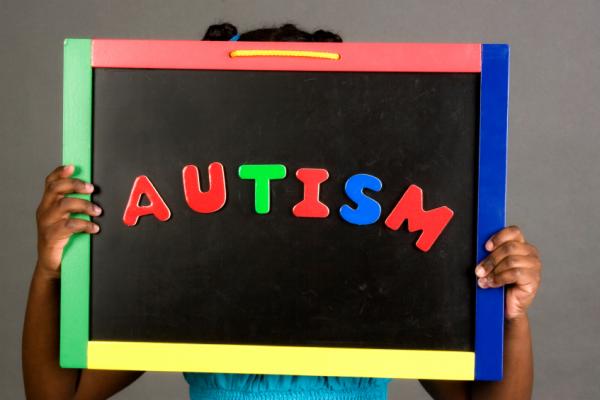
Autism and Well-Being

By Richard Ashcroft, MA, PhD


Professor Richard Ashcroft teaches medical law and ethics at both the undergraduate and postgraduate level in the Department of Law at Queen Mary, University of London. Previously, he was Professor of Biomedical Ethics in the School of Medicine and Dentistry, and before that he worked at Imperial College London, Bristol University and Liverpool University. Professor Ashcroft is Co-Director of the Centre for the Study of Incentives in Health, funded by the Wellcome Trust, with partners at Kings College London and the London School of Economics.  He is also working on the role of human rights theory, law and practice in bioethics policy, and on ethical challenges in public health. He has a longstanding interest in biomedical research ethics. 


I am both someone who writes and teaches on bioethics, and father of a son with autism.  He’s a delightful and happy child and he and I have good lives. But like most parents of children with autism I do worry about his future. I worry about social exclusion. I worry about mistreatment by others. I worry about education, employment, housing. I worry about how he’ll manage when I’m gone. I worry about whether he’ll meet someone to love, who will treat him right and value him for who he is. In other words, I worry about him the same way any parent worries about his or her child. His autism just gives me a hook to hang the worries on.


Nonetheless, there is something about autism which challenges our dominant accounts of well-being. There is a common and long-running debate about “stims”, which can crudely be described as repetitive, socially unusual behaviours which autistic people sometimes engage in. Common stims include humming, or spinning, or bouncing on one’s feet or certain kinds of hand gesture. The psychology of stims is related to “sensory issues” which often form part of autism, whereby the autistic person is more or less than usually sensitive to certain kinds of sensory input (light or sound or motion, for instance). Stims can be understood as a sort of self-regulatory behaviour to deal with under- or overstimulation of some sensory mechanism. Stims are just one example of visible autistic difference, in a condition which is sometimes described as an “invisible disability”: a disability where there is no obvious physical impairment which a third party would see with the untutored eye. Most autistic people who stim, if they are able to use verbal communication, say that stims are important to them, either as a coping mechanism, or as something which gives them pleasure – or both. Yet many parents, teachers, and passersby find stims bothersome, irritating, or worse. This is the case even when the stim has no direct impact on them.


As for stims, so for many other common behaviours in autism: for instance echolalic speech, perserveration, meltdowns, dietary intolerances or strong preferences may all be experienced as natural and authentic emotional and behavioural responses by the person with autism, and yet be experienced as problematic by the parent, friend, teacher or bystander. It should be noted that autism is very diverse in its presentation, both in the degree of impairment or disability experienced and the forms it may take or the behavioural traits seen.


One important debate about behavioural traits common in autism concerns whether these are signs and symptoms of disability, and whether in turn this disability is an inherent impairment or a social construct.  But the debate about well-being is just as interesting. Taking stims as our example again, is stimming a sign of well-being? A prejudiced bystander or an exhausted parent might well say no. The person who is stimming might say yes. Who has the authority to settle the question? One subtlety is that stimming may be calming, and being calm is a mark of well-being; but as a response to stress or distress it is a mark of relative lack of well-being. We have to work out whether stimming is a sign of enjoyment or stress.   This question of understanding is of enormous practical importance. Equally, however, we have to ask questions about the standard of evaluation. Should we assume that well-being and flourishing are entirely personal, or that there is some objective standard or list of features which is common to all people, or that there is such a thing as “autistic wellbeing” or “autistic flourishing” which is different in nature and scope from “neurotypical” variants of wellbeing and flourishing? Now, in the short run this is fairly easily settled pragmatically: I can usually tell you with some reliability whether my son is happy or not. More to the point, so can he. And we usually agree; and when we don’t I try to find out why not, and his view is probably more trustworthy than mine. It’s his life, after all. But in the long run, this is not such a helpful guide. No parent ever took for granted that moment-by-moment happiness over the course of a childhood is a recipe for, or predictive of, happiness in independent adulthood. The very idea of education militates against that notion too. So the problem is, if we don’t really know what flourishing or well-being is for autistic people in the here and now, how can we sensibly shape education and parenting, which aim at such flourishing as a long term goal? Is educating or training people with autism to “pass for normal” desirable, even if it is achievable?


Source

Various philosophers have struggled with this problem, most notably Martha Nussbaum in her recent Frontiers of Justice and Eva Feder Kittay in many of her writings. Importantly, much of the best writing has been by philosophers with direct experience in raising a child or caring for a relative with a disability or impairment. But philosophers have still been too slow to take the experience and voice of people with autism seriously enough as giving reliable accounts of their own well-being and flourishing. And even when we do take these experiences seriously, we may be listening to too narrow a range of voices.


Recently (October 2013) I took part in a fascinating workshop on autism and wellbeing organised by a Danish philosopher, Raffaele Rodogno, at the University of Aarhus. In the morning I read a paper on the topic, as did Raffaele himself and Ingrid Robeyns (Erasmus University of Rotterdam) and Eva Billstedt (University of Gøteborg). But in the afternoon we had a roundtable discussion led by autistic young adults from a local self-help group. Two things became clear: first, that this was a very articulate and insightful group of young people who had a lot to say about well-being which certainly humbled me in light of my rather inchoate ramblings earlier in the day. Second, that what they had most to say about was not well-being but its lack. And this was not to do with “the miseries of autism”; far from it. They were proud of their interests and their achievements and this was very apparent. Rather it was to do with the mistreatment, discrimination, intolerance and lack of understanding they met on a daily basis: exclusion from school, ridicule of their differences, intolerance of their sensory needs, low expectations on the part of their teachers about what they might achieve in life.


What do I conclude from these reflections: first, we need to think harder about well-being and its diversity; second we need to listen to people’s own accounts of their well-being and flourishing; and third, we need to pay close attention to the ways in which our societies positively destroy well-being.


Want to cite this post?


Ashcroft, R. (2013). Autism and Well-Being. The Neuroethics Blog. Retrieved on
, from http://www.theneuroethicsblog.com/2014/01/autism-and-well-being.html

Tuesday, February 7, 2012

Frontiers in Neuroscience, January 27th, 2011: Emory's Dr. Elaine Walker on "Neurodevelopmental Mechanisms in the Emergence of Psychosis"

Psychotic disorders like schizophrenia affect about 5% of people and often result in life-long disability. Identifying at-risk individuals and predicting disease onset are crucial, and present a challenge to the development of preventative treatments. Understanding the biological mechanisms underlying psychosis are also extremely important in identifying risk factors and designing treatments.


Because psychotic disorders are so disabling and usually irreversible, research interests in this field have shifted toward prevention and early intervention. Subtle pre-clinical deficits in psychosocial and neurocognitive functioning have been reported for many years and are now being extensively studied. Elucidating this pre-illness state, known as the “prodromal” period, is one area of research for Dr. Elaine Walker, the Samuel Candler Dobbs Professor of Psychology and Neuroscience at Emory University. Dr. Walker spoke at the Frontiers in Neuroscience Seminar Series on Friday, January 27th, about her research on prodromal psychosis as a part of the NAPLS (North American Prodrome Longitudinal Study).


Dr. Walker began her talk with a discussion of the prodromal period and risk factors for developing a psychotic disorder. Simply defined, the prodrome is a “period of functional decline that precedes the clinical onset of psychosis.” It typically occurs from adolescence to young adulthood, and is characterized by “attenuated positive symptoms,” such as perceptual distortions, paranoia, and disorganized communication. While prodromal individuals do not always develop full-blown psychosis (although many actually do), they are at substantial risk. But as Dr. Walker pointed out, the etiology of psychosis is always a complex interaction between an individual’s genetics and her environment.


Risk factors for psychosis typically begin before one even takes her first breath. Prenatal stressors, such as maternal stress or viral infection, play a significant role in fetal brain development, likely through epigenetic mechanisms (epigenetics are heritable, functionally-relevant modifications to the genome that do not involve changes in DNA sequence). Along with gene mutations, these factors can coalesce in vulnerability of certain neural circuits. One likely candidate, known as the frontostriatal circuit, connects areas of the prefrontal cortex (involved in executive function) to subcortical structures involved in emotional processing. Aberrant firing or connectivity of neurons within this circuit is believed to underlie some neuropsychiatric disorders, such as depression, obsessive-compulsive disorder, and substance abuse (Bonelli and Cummings, 2007).


During puberty and into young adulthood, the developing brain is guided by changes in sex hormones like testosterone and estrogen, as well as by stress hormones like cortisol. Sex hormones play a pivotal role as regulators of gene expression, meaning they can activate or repress the production of certain proteins. Changes in brain protein levels can affect processes like neurotransmitter function and neuronal organization, which eventually manifest through behavior. That is essentially the rationale behind your parents calling you “hormonal” as a kid. Recent studies have also shown that adolescents are particularly vulnerable to stress. Throughout one’s life, the peak stress response is found during adolescence, which is thought to be partly a result of peaking stress hormone receptor densities (like the glucocorticoid receptor). What all this means is basically that adolescence is a time of heightened sensitivity to neurological processes moderated by hormones. So if every little social stressor (like asking someone to prom) seemed like a huge deal to you back then, that’s probably because, to your developing brain, it was.


The links between hormones, stress, and adolescent vulnerability to psychosis might leave you feeling a bit guilty about the things you did or said in high school and how they might have affected your classmate’s brain development. But for Dr. Walker and the NAPLS research team, they’re a promising starting point from which to identify mechanisms and risk-factors within the prodrome. The first part of NAPLS, completed in 2007, tracked about 300 prodromal individuals over 30 months and found that 35% became clinically psychotic. Using those conversion rates, coupled with patient data on their genetics, positive symptoms, social impairments, and substance abuse history, researchers were able to develop a predictive algorithm that was far more accurate than previous models (Cannon et al., 2008). With the new model, a baseline assessment can predict whether a patient will or will not convert to psychosis over a 2.5 yr period with about 80% accuracy. This is a big improvement over previous models, which could only predict with 35% accuracy. As a result, physicians and researchers can now be more selective about which patients to admit or not admit into prevention programs or other research studies on the prodrome.


The second part of NAPLS is at its halfway point, but Dr. Walker was generous enough to share some exciting preliminary findings with the audience. Phase II is more focused on the biological changes occurring during the prodrome. The hope is that by collecting neuroimaging (like fMRI, EEG, and DTI), genetic, and hormonal data every six months, researchers will be able to paint a much clearer and more comprehensive picture of the biological changes that lead to psychosis. These will then hopefully serve as biomarkers and targets for designing future therapies that could prevent or limit conversion.


The story from NAPLS II begins with stress. Compared to healthy, age-matched controls, prodromal subjects report higher daily stress scores and an increased number of stressful life events. In controls, self-reported stress declines with age; but for the prodromal group, life is stressful and stays that way. Their heightened stress is also reflected in higher levels of cortisol, a stress hormone that acts on the same glucorticoid receptor mentioned earlier. These data illustrate that non-prodromal adolescents become better at managing their stress with age, whereas prodromal individuals continue struggling to cope with the complex, challenging world around them, and that cortisol may be a key player in this story.


Increases in psychotic symptoms correlate with reductions in temporal lobe volume.

From Takahashi et al., 2009.
The story continues with differences in brain structure. Your brain, like everyone else’s, increases in total volume up until about age 12 (grey matter accounts for this and is mainly composed of neurons), after which its volume slowly decreases, a normal process called synaptic pruning. This form of neural plasticity is believed to be a good thing because it lets the brain “trim away the fat,” so to speak, in order to refine connections needed for ongoing learning and memory. But over the years, multiple lines of evidence illustrate that the pruning process is defective in schizophrenic brains, and that in fact “hyperpruning” might be decreasing their grey matter volumes (Faludi and Mirnics, 2011). Finding decreased grey matter volumes within the prodrome could therefore be an early indicator of this aberrant process at work. Indeed, NAPLS found that prodromal subjects exhibited a greater decrease in grey matter density in the prefrontal cortex and temporal lobe over the course of the study as compared to controls. Interestingly, those subjects who eventually converted to psychosis showed an even greater rate of grey matter volume decline. Tying the whole story together and again showing how stress is important in this process, higher levels of cortisol were strongly correlated with decreased brain volume. Previous work found a negative correlation between cortisol levels and neuronal growth factor levels in the prefrontal cortex, lending credence to the NAPLS data which suggest that higher cortisol may be mechanistically related to decreased brain volume (Issa et al., 2010). But as Dr. Walker suggested, more research is needed to tease apart the cortisol-brain structure relationship, such as looking for variations in genes involved in cortisol sensitivity.


The preliminary findings of NAPLS show promise for identifying biomarkers and mechanisms of conversion from prodrome to psychosis. However, inherent in this conversation are ethical questions about diagnosis, intervention, and treatment of prodromal individuals, some of whom will never experience a psychotic episode. Previous posts by our scholarly contributors on The Neuroethics Blog have addressed many of these questions already (see 10/21/11; 12/5/11; 12/6/11; 12/8/11; 12/9/11), but I’ll briefly summarize them here.


As Dr. Walker described in her talk, NAPLS’ new algorithm can predict conversion from prodrome to psychosis with much better accuracy than before (80% versus the previous 35%). This sounds promising for clinicians wanting to intervene, but keep in mind that their algorithm has yet to be empirically tested. Additionally, “prodrome risk syndrome” doesn’t even exist on the books (the books in this case being The Diagnostic and Statistical Manual of Mental Disorders or DSM), meaning that clinicians have no officially recognized criteria for making such a diagnosis. Even if they did, they would likely be concerned about the inevitable false positives. If antipsychotic drugs begin to be used in prodromal patients, it could negatively impact the misdiagnosed in a big way: not only in terms of side effects, but also how that individual is treated by her friends, family, and society. Misdiagnosis could also increase anxieties or paranoia that may themselves fuel a psychotic episode. While early detection is important in this and any other disease, we must remain extremely cautious about formally diagnosing an individual as prodromal until our tools to reliably discern a prodromal period are validated and effective treatments become available.


--Jordan Kohn
Emory Neuroscience Graduate Student


Want to cite this post?


Kohn, J. (2012). Frontiers in Neuroscience, January 27th, 2011: Emory's Dr. Elaine Walker on "Neurodevelopmental Mechanisms in the Emergence of Psychosis". The Neuroethics Blog. Retrieved on
, from http://www.theneuroethicsblog.com/2012/02/frontiers-in-neuroscience-january-27th.html


References 


 1. Bonelli, R. and Cummings, J. (2007) Frontal-subcortical circuitry and behavior.  Dialogues Clin. Neurosci. 9(2): 141-151.


2. Cannon, T., Cadenhead, K., Cornblatt, B., Woods, S., Addington, J., Walker, E., Seidman, L., Perkins, D., Tsuang, M., McGlashan, T., Heinssen, R. (2008) Prediction of psychosis in youth at high clinical risk. Arch Gen Psychiatry. 65(1): 28-37.


3. Faludi, G. and Mirnics, K. (2011) Synaptic changes in the brain of subjects with schizophrenia. Int J Dev Neurosci. 29(3): 305-9.


4. Issa, G., Wilson, C., Terry, A., Pillai, A. (2010) An inverse relationship between cortisol and BDNF levels in schizophrenia: data from human postmortem and animal studies. Neurobiol Dis. 39(3): 327-33.


5. Takahasi, T., Wood, S., Yung, A., Soulsby, B., McGorry, P., Suzuki, M., Kawasaki, Y., Phillips, L., Velakoulis, D., Pantelis, C. (2009) Progressive gray matter reduction of the superior temporal gyrus during transition to psychosis. Arch Gen Psychiatry. 66(4): 366-376.