Pages

Showing posts with label mental illness. Show all posts

Tuesday, July 31, 2018

The Missing Subject in Schizophrenia


By Anna K. Swartz


Image drawn by Anna Swartz

Since this is, in many ways, a post about narratives, I have decided I should begin with mine. 


Every morning I take an oblong green and white pill, every night I take another of the same oblong green and white pill. I also take circle and oval pills. This helps in keeping me tethered to reality, functioning with fewer hallucinations and delusions. My official diagnosis is schizoaffective, bipolar type 1. Schizoaffective disorder is closely allied to schizophrenia but is rarer, striking about 0.3 percent of the population. It’s also by many accounts “worse” in that it incorporates the severe depression and psychosis that is characteristic of bipolar disorder, as well as the loss of touch with reality wrought by schizophrenia. I find it easier to admit to being bipolar than I do schizophrenic. I have found a much more positive reception to bipolar disorder. It’s a disease often associated with creative individuals who are highly intelligent and have traits that many see as advantageous, even covetous. That is, there is something romantic about the disease even as it wreaks havoc in a person’s life. It’s also much easier to talk about depression and mania because the chances are overwhelming that during the span of a normal lifetime, we will come face-to-face with some manifestation of mania or depression, either in ourselves or someone close to us. It’s familiar and understandable. That is less the case when it comes to hallucinations and delusions. Everyone has an inner voice that they can talk to sometimes in their thoughts. But hearing voices is not like that. Auditory hallucinations sound like they are coming from outside your head. Have you ever tried to write or read while people are having a loud conversation around you? Now imagine them screaming at you. This is how I feel most days. The voices are almost always caustic and denigrating, telling me that I would be better off dead. Delusions are also hard to explain. With a head fizzing with mad thoughts, I’ve stared up at ceilings with blue and brown swirling irises like cars in the center of a volcano. More often, I will see objects sitting on surfaces and watch them tip over or fall out of the corner of my eye only to blink and have them be static. I also experience paranoid delusions which are commonly manifested as thoughts that others are plotting against me, following me, watching me, or talking about me. 


More often, I am overcome by the so-called “negative” symptoms of schizophrenia where I exist in a numb fugue state that swallows me whole for months, punctuated occasionally by a jump in my mood and a frantic need for overachievement, which becomes even more frantic when I’m manic. During this time, I commit myself to grandiose plans, devour books about philosophy and theory, and generally pass myself off as an ambitious and successful scholar. However, for every seventy-two hours of blissful productivity, there are weeks of unrelenting depression, ruinous impulsivity, and monomania where I am terrified to be around people for fear of scaring them away; I stay in bed, hoping to sleep to quiet the world down. It’s these times when I about occasionally find a spark but not the creative or positive kind, the urge to problem solve, to solve my problems permanently. Not surprisingly, I have been hospitalized several times.  


Image drawn by Anna Swartz

Ultimately, having a sense of “who I am” is a profoundly problematic one. Identity is the structure and detail of a person, what you believe in and where you see yourself in relation to others and the world around you. When someone has a stable sense of self they are able to identify themselves as being the same person in their past, present and future, with of course the expected changes one goes through as time passes and events happen. So, what does it mean when your sense of self is disturbed? My delusions and hallucinations often occur with pained self-awareness, leaving me unable to trust who I am or where I am. For me, psychosis is not a single moment of “conversion” between one state of mind to the next. If there is a boundary between normal and insanity, I’m often in the liminal state of constantly questioning the reality that I had lived contently with for most of my life. The songs I hear playing in the wind and the nonexistent swat teams I see through my window at night are probably not real, but I worry of becoming addicted to the idea that they are. The boundary between fantasy and lived reality is porous, and when this happens, I worry that I have taken some irrevocable step toward willing illness upon myself.


The Disordered Concept of Schizophrenia


 “Schizophrenia” has demonstrated itself to be a slippery entity since the term was first introduced by Bleuler over a century years ago [1]. Disagreements over the definition of schizophrenia relate to some of the most fundamental aspects of the concept, such as whether it should be viewed as a social or medical problem, beliefs about its prognostic outcome, and treatment approaches towards those who are suffering from the disorder [2, 3].


Many now argue that “schizophrenia”—as a single unitary condition—simply does not exist. Instead, there may be a group of loosely related conditions we might consider to be “schizophrenias” (as Bleuler had originally believed), or it may be the case that we have mistakenly combined what are actually independent conditions. More than ever, psychiatrists around the world are pressing for the reconceptualization and rebranding of schizophrenia as a coherent disease entity, given the ambiguity, stigma, and barriers to care associated with the current diagnosis. 


The Limitations of Biological Explanations


Image drawn by Anna Swartz

Modern scientific understandings frame schizophrenia as a grim “disorder of the brain”—primarily biological or genetic in nature—whose causes and treatments can be tracked and developed only through continuous “cutting-edge” research in neuroscience [4, 5]. This mainstream “precision medicine” narrative has manifested in an “illness like any other” approach [6] that treats mental disorders including schizophrenia as “brain diseases” or harmful deviations of “normal” bodily function no different in kind from those diseases we have already come to accept as exclusively physical.


Unfortunately, progress has with a dark side. In the case of schizophrenia, where stereotypes and misinformation abide, ascendant neurobiological explanations—widely embraced as the antidote to stigma and harmful misinformation—are themselves attributing to negative perceptions towards those who experience this illness. Unfortunately, the consequences of these perceptions extend beyond stigma and stereotypes; they also vex and complicate treatment, contributing to low recovery rates and a frightening death toll


It is a banal but important point that how we conceive of a problem largely determines how we respond to it. There is nothing inherently wrong with arguing schizophrenia in and through the brain. The problem comes when an explanatory model holds to simplistic, totalizing, and often damaging theories of schizophrenia as pathological: an objective and locatable disease of the brain, amputated from the person to whom that brain belongs, that is committed to medical interventions that treat symptoms as meaningless, unrelated to life histories. 


Listening to the Voices of Others 
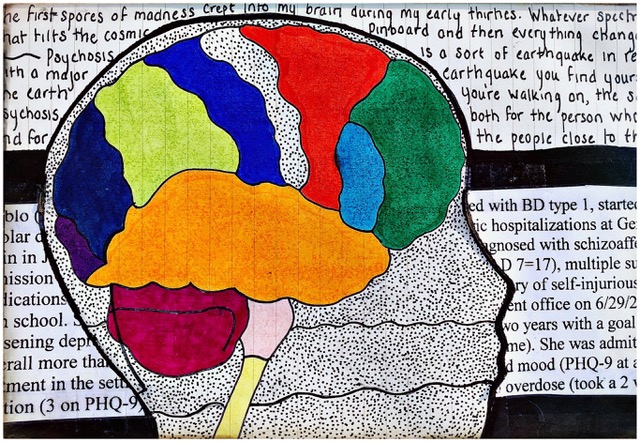


Image drawn by Anna Swartz

In biological psychiatry, the experience of schizophrenia, as told by the individual living under the diagnosis, are drowned out by the voices of outside experts (psychiatrists, clinicians, scientists, researchers), who are acknowledged as more reliable and authentic in their capacity as knowers and contributors to the epistemic effort to reach a correct diagnosis and treatment [7, 10]. First-person symptom testimonies are virtually non-existent in academic journals, professional reports, and clinical practice [8]. Patients are simultaneously locked into and out of the research and practices that involve and affect them most directly, based on a prevailing clinical stereotype that undermines their capacity to provide truthful and reliable accounts of their own lives [9, 10]. This is a form of epistemic injustice [11, 10]. 


Kristie Dotson identifies two forms of epistemic injustice that are relevant to patients with schizophrenia. These include “testimonial quieting” which happens when a speaker from a marginalized group is not seen as a “knower” which results in the subsequent dismissal of their testimony by the dominant group; and “testimonial smothering,” which happens when a speaker believes their testimony will be misinterpreted so they self-silence (see [12] page 242). 


This silence also attests to the stigmatized nature of psychotic experiences. Such stigma and stereotypes are problematic for many reasons, beyond their empirical inadequacy. They encourage unwarranted attitudes of suspicion and distrust towards people with schizophrenia, which, in turn, contribute to our social isolation; this is in itself epistemically impairing. Each reinforce the other. 


How clinicians listen—or don’t listen—to patients’ voices has profound implications for patients’ therapeutic recovery. The ability to claim and articulate one’s unique experience is a core feature of being human, and when access to treatment and support are restricted to the narrow, operational, and sometimes dehumanizing “common” language of biological psychiatry, the result is a loss of its healing power. Reducing the rich texture of madness to a series of vaguely understood biogenetic mechanisms becomes a project in self-alienation that is antithetical to recovery and the very goals of psychiatry. 


Recovering Ourselves Through Narrative


Image drawn by Anna Swartz

Researchers have acknowledged that to understand and promote recovery from serious mental illness, we must study the subjective experiences and personal perspectives of individuals who are recovering from and coping with mental health problems [13, 14]. Recovery can be defined in many ways and may hold different meanings for different people. In psychiatric terms, recovery is often defined as the treatment or abolition of symptoms. But many patients do not define the return to a previous “normal” state through cure and treatment in order to pursue their lives in the community alongside everyone else. Instead, they want the capacity to make their own decisions, follow their own dreams, and otherwise have a meaningful, productive, and fulfilling life, as they are [13].


In a qualitative study of more than 100 people with different experiences of schizophrenia, variable in intensity and duration, Larry Davidson observed that these individuals narrated a loss of self and a social abandonment as the most distressing features of their illness [14]. Recovery or the fundamental turning point in their illness that enabled them to experience themselves in the world in meaningful ways was voiced as a need for belonging and acceptance by at least one person who could be counted on to support and stand by them during all parts of their illness [14]. Thus, the rebuilding of broken identities is inextricably linked to an engagement with the social and destigmatization.  


A Way Forward: Understanding Rather Than Etiology


Image drawn by Anna Swartz

What practical lessons can be learned here? What are the ethical and pragmatic conclusions we can draw about the care of people with schizophrenia and disorders alike? The most important point I can make is that schizophrenia involves a fundamental change to not only a person’s interpretation of the world, but also their very sense of self. This fusion of diagnosis with identity is why Sue Estroff calls schizophrenia an “I am” illness, more in the company of conditions like epilepsy and alcoholism, as opposed to an “I have” illness, such as cancer or heart disease (see [15] page 189). In other words, schizophrenia is not an “illness like any other” because the content of delusions and hallucinations are susceptible to sociocultural pressures in ways that arteries and cancer cells are not [16]. What our confused and delusional minds think is not beside the point, because it is the point.


An ethical approach to understanding and treating schizophrenia must be responsible not only to the needs of science but also to the many consistencies, including patients affected by it. It must recognize that all ways of narrativizing an illness from the outside are only ever partial explanations. It is often forgotten that the experience of schizophrenia in the first-person is itself a privileged type of expertise different than any kind one is able to obtain in medical school, the clinic, or the lab. Therefore, any improvement in accuracy with respect to elucidating the precise cause and approach to treating and preventing schizophrenia of necessity demands the participation of patients’ voices and agencies at every step, since these individuals have the unique and individual knowledge of what schizophrenia “is” from the inside. This will ensure a richer and more accurate understanding and will benefit efforts to provide the best support for people living with this diagnosis. I would suggest that good place to start would be for neuroscience and psychiatry to supplement questions such as “where is the pathology” with “how can I help.”


_______________


Anna K. Swartz is currently taking graduate classes and applying to PhD programs. She earned a BA in anthropology from Wellesley College and a MS in Rhetoric, Theory and Culture from Michigan Technological University. The focus of her work in neuroethics has been on the brain disease model of mental disorders and how over-reliance on this paradigm might contribute to the stigmatization and marginalization of people with mental illness. She is especially interested in the development of classification systems for mental disorders, with special attention to schizophrenia.  


References


1. Bleuler, E. (1950). Dementia praecox or the group of schizophrenias (J. Zinkin, Trans). New York: International Universities Press. (Original work published in 1911).


2. Barrett, R. J. (1988). Interpretations of schizophrenia. Culture, Medicine and Psychiatry, 12(3), 357-388.


3. McNally, K. (2016). A critical history of schizophrenia. London: Palgrave Macmillian.


4. Heinrichs, R. W. (2001). In search of madness: schizophrenia and neuroscience. New York: Oxford University Press.


5. Vidal, F. (2009). Brainhood, anthropological figure of modernity. History of the Human Sciences, 22(1), 5-36.


6. Read, J., Haslam, N., Sayce, L., & Davies, E. (2006). Prejudice and schizophrenia: a review of the ‘mental illness is an illness like any other’ approach. Acta Psychiatrica Scandinavica, 114(5), 303-318.


7. Geekie, J. & Read, J. (2009). Making sense of madness: contesting the meaning of schizophrenia. New York: Routledge.


8. Geekie, J. (2016). Client’s understanding of psychotic experiences. In J. Read & J. Dillon (Eds.), Models of madness: psychological, social, and biological approaches to psychosis, 178-190. Oxford: Routledge.


9. Roe, D. & Davidson, L. (2005). Self and narrative in schizophrenia: time to author a new story. Journal of Medical Ethics, 31(2), 89-94.


10. Crichton, P., Carel, H., & Kidd, I. J. (2017). Epistemic injustice in psychiatry. BJPsych Bulletin, 41(2), 65-70.


11. Fricker, M. (2007). Power & the ethics of knowing. New York: Oxford University Press.


12. Dotson, K. (2011). Tracking epistemic violence, tracking practices of silencing. Hypatia, 26(2), 236-257.


13. Davidson, L. & Roe, D. (2007). Recovery from versus recovery in serious mental illness: one strategy for lessening confusing plaguing recovery. Journal of Mental Health, 16(4), 459-470.


14. Davidson, L. (2003). Living outside mental illness: qualitative studies of recovery in schizophrenia. New York: New York University Press.


15. Estroff, S. E. (1989). Self, identity, and subjective experiences of schizophrenia: in search of the subject. Schizophrenia Bulletin, 15(2), 189-196.


16. Luhrmann, T. M. (2016). Introduction. In T. M. Luhrmann & J. Marrow (Eds.), Our most troubling madness: case studies in schizophrenia across cultures, 1-25. Oakland, CA: University of California Press.


Want to cite this post?


Swartz, A. (2018). The Missing Subject in Schizophrenia. The Neuroethics Blog. Retrieved on , from http://www.theneuroethicsblog.com/2018/07/the-missing-subject-in-schizophrenia_28.html

Tuesday, February 14, 2017

Predicting Psychosis: Exploring Pre-Clinical Signs for Mental Illness


By Sunidhi Ramesh


This post is based on the January edition of the “Neuroethics and Neuroscience in the News” series in which Dr. Elaine Walker from Emory University discussed the ethics of assessing risk and treating brain diseases before they can be diagnosed.


This self-portrait is often used to depict the distorted

reality that many schizophrenia patients face.

(Image courtesy of Wikimedia Commons.)

“This calculator,” a 2016 headline states, “can predict your risk of developing psychotic disorders.”


Psychotic disorders, including schizophrenia and bipolar disorder with psychotic features, are characterized by noticeable deficits in “normal” behavior accompanied by hallucinations, delusions, paranoia, an early onset (the average age of onset is in the late teens or early twenties), and a derailed life course.


Because of its early age at onset, the DALY (disability adjusted life years) value for psychosis is significantly greater than that of other illnesses (1). It’s no surprise, then, that researchers are asking questions. Are there measures that can be taken to keep at-risk populations from enduring a life-hindering disability?


Fifteen years ago, the answer would be no. Today, it (just might be) yes. 


How? Researchers have recently identified patterns in pre-clinical psychotic symptoms— patterns that many psychotic patients exhibit long before they are formally diagnosed with a disorder.


In schizophrenia and other psychotic disorders that “interfere with a person’s ability to think clearly, manage emotions, make decisions and relate to others,” this pre-clinical period is called the prodromal period. During this time, patients often experience gradual disruptions in behavioral functioning (like being suspended from school or losing friends) that are accompanied by subclinical or reduced psychotic symptoms (like hallucinations and delusions).


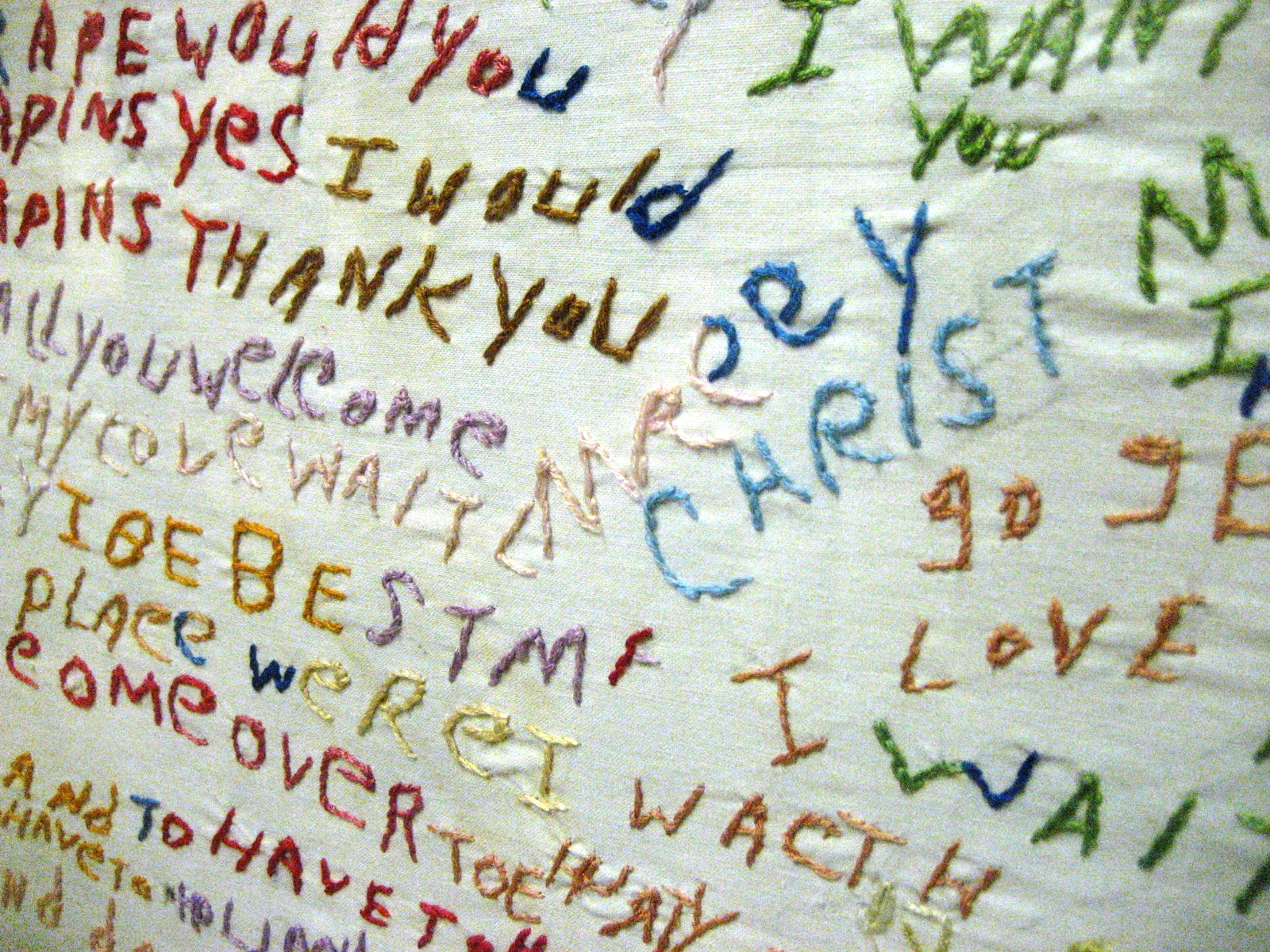
A cloth embroidered by a schizophrenia patient.

(Image courtesy of Wikimedia Commons.)

Countries such as Australia have found ways to make the diagnosis for these pre-clinical symptoms even easier to detect through modern technology and the Internet. Websites are now in place where young people can respond to questions about psychotic symptoms that they may be experiencing and determine for themselves if they should seek mental health care. While it is important to consider the ethical grounds of allowing or encouraging potential patients to “self-diagnose” risk for psychosis (with such ethical concerns including denial of symptomology, missed diagnosis, under/overdiagnosis, and misdiagnosis), most of these tests are thought to be preliminary efforts to encourage patients to pursue mental health treatment in the first place.


In 2008, eight independent research institutions (Emory University, Harvard University, University of California Los Angeles (UCLA), University of California San Diego (UCSD), University of North Carolina Chapel Hill, University of Toronto, Yale University, and Zucker Hillside Hospital) combined efforts to research the onset and symptomology of psychotic disorders. They titled their project the North American Prodrome Longitudinal Study, or NAPLS for short.


Historically, accounts of patients with schizophrenia-like conditions began to appear in records around the 19th century (2). The word “schizophrenia” itself translates directly to “splitting of the mind,” hinting at the divisive nature of the illness and its symptoms (3).


Demographically, the disorder afflicts about 1% of the worldwide population (4). 


One patient writes:


 “Schizophrenia isn’t about what you think it is (for example, I haven’t scrawled a bunch of complex mathematical equations on a window lately). It’s loud. It is so, so loud—the voices in your head and the voices outside your head and the typing of keys and the vibrations of phones and the TV and the brewing of coffee and the footsteps behind you. Does he need to follow so closely? I’m sorry, what did you just say? I was too busy listening to the voice telling me I’m a loser.  


And my loud world can only be quieted with meds that can take two months to end up in my medicine cabinet because securing an appointment with my psychiatrist is such an ordeal. And those meds often end up causing acne or depression or diarrhea, or leave me barely able to function—let alone work efficiently. (Sometimes I need to sleep 12 hours and take two daytime naps just to stay alive.) (5)”


During her talk for the January edition of the Neuroscience and Neuroethics in the News series, Dr. Walker emphasized that NAPLS specifically has “generated an interest in the prodromal [pre-clinical] phase of illness, the stage just prior to florid psychosis.” It is in this phase, long before patients meet the DSM-5 criteria for psychotic disorders, that these individuals show a decline in normal function and the gradual onset of psychotic (among other) symptoms. Some studies suggest that the longer the period of the prodromal phase, the worse the prognosis will be for the individual down the line (6). Although the reason for this pattern is still unknown, it is apparent that early, pre-emptive interventions may be able to reduce future behavioral maladaptations and psychotic symptoms.


Schizophrenia is often characterized by strong, auditory

hallucinations-- colloquially called "hearing voices."

(Image courtesy of Deviant Art.)

How is this prodromal phase identified? Researchers at Yale University have developed a structured diagnostic interview, the Structured Interview for Prodromal Syndromes (SIPS). This assessment “evaluate[s] and monitor[s] prodromal symptoms for at-risk and comparison subjects” by quantifying characteristically attenuated psychotic symptoms, such as unusual thought content, suspiciousness, perceptual abnormalities, and disorganized communication (7). SIPS also identifies a “clinical high-risk group”— individuals in this group “have high rates of conversion to psychosis (ranging from 15-35% in most studies) over about two years.” It is under this presumption that the aforementioned psychosis calculators were developed.


From here, patients who are identified as “high risk” are admitted into programs (such as the Prodrome Assessment Research and Treatment (PART) program in San Francisco) and monitored over time. They are given resources and therapy that are aimed at helping them cope with their symptoms while better understanding what it means to have the experiences that they do.


Dr. Walker also highlighted that the standard of care in these cases does not involve antipsychotic medication. In most programs for individuals showing signs of the prodrome for psychosis, antipsychotics are only recommended when an individual meets the criteria for a psychotic disorder, and prodromal patients, by definition, do not. Basic interventions and therapy efforts (including simple monitoring, family support groups, and interventions aimed at enhancing coping mechanisms), however, have been shown to have a positive effect on high-risk patients impacted by these prodromal symptoms (8). Without a diagnosis, most high-risk patients lack a framework to refer to their illness and struggle to understand what is happening to their lives.


Nevertheless, while detecting psychosis early provides great room for intervention, mediation, and monitoring, it is important to understand that there exist potential dangers to labeling an individual as clinically “high risk” in the first place.


Schizophrenia translates to "splitting of the mind" in Greek.

(Image courtesy of Flickr.)

Among these concerns are the consequences of false negatives and false positives as well as the potential for future discrimination that these patients may face from insurance companies or from the broader world. As with all pre-clinical syndromes, the ethical implications of such errors occurring during assessment must be considered in conjunction with the research being conducted in order to ensure that both current and future patients receive the best treatment (9).


False negatives, in the context of the prodromal phase of schizophrenia, would be patients who are not identified as “high risk” through the SIPS assessment but are then diagnosed with the disorder at a later age. This type of error may lead to delays in the provision of treatment for the patient after the clinical onset of psychosis (“It can’t be any mental disorder, so maybe he is just acting up and being a typical teenager.”) or may cause varying levels of frustration with not being able to understand and label symptoms themselves or even the condition as a whole (“She doesn’t have schizophrenia, so why is she acting this way? Why is he losing his friends and wanting to drop out of school? What are these voices she is hearing?”). With the lack of a definitive prodromal assessment, patients and families may automatically assume that schizophrenia is out of the question and may subsequently “miss opportunities to intervene” (9).


False positives then, in the context of the prodromal phase of schizophrenia, would be patients who are identified as “high risk” through the SIPS assessment but are then not diagnosed with the disorder at a later age. These cases can lead to families investing in “unnecessary expensive interventions, surveillance, and treatments as well as lead to changes in the life trajectories of the patient, caregivers, and entire family” (in the case that the family makes large lifestyle changes to accommodate the patient’s newly identified condition) (9). And, if prolonged, false positive results may also give rise to larger psychosocial consequences (10).


Ultimately, to circumvent these errors, physicians and researchers are trained in appropriately debriefing patients and their families about the full range of possibilities for the subsequent developmental trajectory of individuals who meet criteria for “clinical high risk.”


(Image courtesy of Flickr.)

If such information were to become part of the individual’s medical record, some ethicists also raise the concern that patients from these pre-clinical studies may be at risk for employment and insurance discrimination, as current laws in patient protection are vague regarding the difference between “diagnosis” and pre-clinical “risk-assessments” (11). As these trials continue to increase in abundance, then, specific policy must be put into place by lawmakers (with consultation from researchers) to reduce current ambiguity and protect the rights of all patients involved.


Ultimately, as medicine moves towards early detection and disease modification, we will only see more forms of these early-detection technologies emerge not only in the realm of mental health but also for other illness in general.


During this progression, it will be critical for these ethical considerations to be explored continuously, in union with further research.


(This event was a sneak peek for an upcoming neuroscience graduate student-led symposium slated for April 28, 2017 on "The use of preclinical biomarkers for brain diseases: A Neuroethical Dilemma." This symposium will highlight preclinical detection technologies across the human lifespan, from infants to adolescents to the elderly.)


References 


1) Jones, P. B. "Adult mental health disorders and their age at onset." The British Journal of Psychiatry 202.s54 (2013): s5-s10.


2) Heinrichs RW (2003). "Historical origins of schizophrenia: two early madmen and their illness". Journal of the History of the Behavioral Sciences. 39 (4): 349–63.


3) Park, Sohee, and Katharine N. Thakkar. "' Splitting of the Mind' Revisited: Recent Neuroimaging Evidence for Functional Dysconnection in Schizophrenia and Its Relation to Symptoms." (2010): 366-368.


4) Gochman, Peter, Rachel Miller, and Judith L. Rapoport. "Childhood-onset schizophrenia: the challenge of diagnosis." Current psychiatry reports 13.5 (2011): 321.


5) "What It's Really Like To Have One Of The World's Most Stigmatized Mental Health Issues." GOOD Magazine. N.p., 04 Feb. 2017. Web. 08 Feb. 2017.


6) Yung, Alison R., and Patrick D. McGorry. "The prodromal phase of first-episode psychosis: past and current conceptualizations." Schizophrenia bulletin 22.2 (1996): 353-370.


7) Addington, Jean, et al. "North American Prodrome Longitudinal Study: a collaborative multisite approach to prodromal schizophrenia research." Schizophrenia bulletin 33.3 (2007): 665-672.


8) Kaur, Tejal, and Kristin S. Cadenhead. "Treatment implications of the schizophrenia prodrome." Behavioral Neurobiology of Schizophrenia and Its Treatment. Springer Berlin Heidelberg, 2010. 97-121.


9) Sarrett, Jennifer C., and Karen S. Rommelfanger. "Commentary: Attention to Eyes Is Present but in Decline in 2–6-Month-Old Infants Later Diagnosed with Autism." Frontiers in public health 3 (2015).


10) Brodersen, John, and Volkert Dirk Siersma. "Long-term psychosocial consequences of false-positive screening mammography." The Annals of Family Medicine 11.2 (2013): 106-115.


11) Arias, Jalayne J., and Jason Karlawish. "Confidentiality in preclinical Alzheimer disease studies When research and medical records meet." Neurology 82.8 (2014): 725-729.


Want to cite this post?


Ramesh, Sunidhi. (2017). "Predicting Psychosis: Exploring Pre-Clinical Signs for Mental Illness." The Neuroethics Blog. Retrieved on , from http://www.theneuroethicsblog.com/2017/02/predicting-psychosis-exploring-pre.html


Tuesday, November 29, 2016

"American Horror Story" in Real Life: Understanding Racialized Views of Mental Illness and Stigma


By Sunidhi Ramesh


Racial and ethnic discrimination have taken various forms in the

United States since its formation as a nation. The sign in the image

reads: "Deport all Iranians. Get the hell out of my country."

Image courtesy of Wikipedia.


From 245 years of slavery to indirect racism in police sanctioning and force, minority belittlement has remained rampant in American society (1). There is no doubt that this history has left minorities in the United States with a differential understanding of what it means to be American and, more importantly, what it means to be an individual in a larger humankind.


Generally, our day-to-day experiences shape the values, beliefs, and attitudes that allow us to navigate the real world (2). And so, with regards to minorities, consistent exposure to these subjective experiences (of belittlement and discrimination, for example) can begin to shape subjective perceptions that, in turn, can mold larger perspectives and viewpoints.


Last spring, I conducted a project for a class to address the reception (3) of white and non-white, or persons of color (POC), students to part of an episode from American Horror Story: Freak Show. The video I asked them to watch portrays a mentally incapacitated woman, Pepper, who is wrongfully framed for the murder of her sister’s child. The character’s blatant scapegoating is shocking not only for the lack of humanity it portrays but also for the reality of being a human being in society while not being viewed as human.


Although the episode remains to be somewhat of an exaggeration, the opinions of the interview respondents in my project ultimately suggested that there exists a racial basis of perceiving the mental disabilities of Pepper—a racial basis that may indeed be deeply rooted in the racial history of the United States.


The premise behind my project was the understanding that past experience informs perception. What, then, are the different circumstances (in regards to mental illness/disabilities) that white and POC Americans are facing? Current public health research suggests that there exist racial differences in the field of mental health.


In 2010, for example, researchers at the University of Pittsburgh found that internalized stigma among African Americans had a direct relationship with attitudes towards their mental heath treatment (4); in general, African Americans in this study reported more negative attitudes toward mental health treatment, and, as compared to their white counterparts, African Americans were less likely to seek out mental health treatment and were more likely to hold negative views about themselves if they were diagnosed with a mental illness (4).


Another study conducted in 2012 validates these results, finding that African Americans are significantly less likely than other race-ethnic groups to have received mental health services (5); although the article begins to tie this trend to education differences among the different racial groups, a definitive explanation for the relationship between race-ethnicity and the receipt of mental health services could not be found (5).


Beyond studies regarding the specific treatment of mental illness is research that questions the root of mental illnesses such as depression; one such study found a “clear, direct” relationship between perceived discrimination (which arises from “formative social experiences”) and symptoms of depression in Mexican-origin adults in California (6).


The conclusions drawn in these studies as well as those in other similar research imply that mental illness does not stand on its own; it, in fact, is a factor that is intertwined (rather strongly) with race as well as elements that underlie race such as discrimination and education.


Because the subjective experiences faced by minorities formulate differential understandings and subjective perspectives, these perspectives (according to these studies) can then go on to create different attitudes towards mental health. Ultimately, this cascade can form bigger more personal feelings such as internalized and public stigma.


With this comes a question: what if the differences in the way POC and White Americans are treated (either for mental illnesses or in general) manifest themselves in how different racial groups perceive mental health?


A photo of a freak show exhibition, taken around 1941. The 

sign at the top reads: "Human Freaks Alive." 

Image courtesy of Wikimedia Commons.


Before getting into my project, I must mention that Pepper, throughout American Horror Story, is part of a “freak show”—a term that the dictionary defines as “a display of people with unusual or grotesque physical features as at a circus or a carnival show."As I was watching the show for the first time a few years ago, I was appalled at how it presented the reactions of people who interacted with the “freaks.” There was shock, amusement, fear, and even a sense of superiority. In one scene, the circus actors went out to a diner and were immediately kicked out on the grounds of “disturbing and scaring the other customers.” More often than not, the families who attended the circus would disrespect and taunt the performers.


I later realized that this scene illuminated the major difference between physical disability and mental illness. Physical disability can be seen; it is outward and apparent to a point where it can be identified and acknowledged as easily as it can be mocked and ridiculed.


Mental illness cannot. It is invisible, an uninvited guest that only the patient can feel, describe, and identify. It is silent. Quiet. Unseen. (This distinction regarding mental illness is why hundreds of articles with titles such as “I Don’t Believe in Mental Illness” and “9 Signs Why Your Mental Illness is Made Up for Attention” plague the Internet.)


People who bear mental illnesses are told that their symptoms are not real, that “laziness explains 100% of mental disorders,” or simply that their illnesses “does not exist.” These kinds of perceptions build up and begin to create stigma around mental illness.


Statistically, three out of four people who experience mental illness today have reported experiencing stigma. This stigma leads to feelings of shame, hopelessness, distress and misrepresentation in media. It discourages patients from seeking necessary help. It frames mental illness as a shameful blemish and weakness.


And in many cases, stigma and discrimination come hand in hand; often, those with mental illnesses and disabilities are denied employment, housing, insurance coverage and general social interactions such as friendship and marriage (7).


Worst of all, this very stigma throws mental health patients into a dangerous cycle of social isolation and harm.


According to a 2002 research paper written by Allison J. Gray, “Discrimination alters how patients see themselves, their self worth and their future place in the world. The immediate psychological effects of a psychiatric diagnosis include disbelief, shame, terror, grief, and anger” (8). She then argues that these patients eventually face social isolation, which directly leads to high rates of self-harm and suicide.


So, how and where do we go from here? Can we work toward destigmatizing mental illness?


Or is this a lost cause? Could the racial discrepancy between perceiving disabilities be too deeply rooted to change how these conditions are perceived? And where does this racial difference come from?


For this small preliminary class project, I asked ten respondents (five white and five POC) to watch the aforementioned 30-minute clip. This episode covers the experiences of a young woman, Pepper, who suffers from microcephaly, a rare neurological condition “in which the brain does not develop properly, resulting in a smaller than normal head” as well as intellectual disability, poor speech abilities, and abnormal facial features. In the clip, Pepper is introduced into the care of her older sister and her brother-in-law, a couple that later gives birth to a deformed child. Although Pepper cares for and loves the child as her own, her caretakers appear to be overtaken by “the burden” of having to deal with two individuals who are unable to fully look after themselves. In response, Pepper’s brother-in-law (with permission from his wife) murders the infant and places the blame on Pepper, who is unable to speak for herself but seemingly unaware of the injustice done to her. At the end of the clip, Pepper is placed in an insane asylum, forced to live there due to her supposed involvement in the brutal murder of her sister’s child.


A comparison between head sizes for a child with microcephaly

and a normal child. This change in head shape is often attributed

to abnormal brain development. Image courtesy of Wikimedia 

Commons.


Following the viewing, I asked each respondent seven questions regarding their overall feelings as well as what characters and parts of the plotline resonated with them the most. In the end, I found three general categories of responses—each of which was clearly divided racially.


The most striking of these categories was, by far, how the white and POC respondents referred to Pepper’s microcephaly. I should preface with the fact that the episode never directly labeled her condition, and Pepper’s mental and physical statuses were not referred to as a disability in the scenes the respondents viewed. Still, every white interviewee spoke of Pepper’s condition as a “disability”—a handicap that allowed her to be bullied by her family and the justice system. These students seemed to dwell on the idea that Pepper was subordinated in the minds of those around her. To them, she was bullied for and handicapped by her mental state.


The POC respondents, on the other hand, did not use the words “disability” or “handicap.” Instead, they speak of her as an “outsider,” a deviation from what it means to be “normal.” This word, “normal,” was raised by every POC respondent. These students chose to discuss Pepper’s experiences in light of their own by drawing parallels between what it means to be a functioning, “normal” member of this society and the consequences of being the opposite, when an individual deviates from those norms (discrimination and outcasting).


Although these data are just preliminary, the implications, if these results held true with a larger pool or participants, are tremendous. At the least, these outcomes suggest that human perceptions of mentally and physically compromised individuals are racially based— that there may exist a socially constructed phenomenon for why white respondents viewed Pepper as “disabled” and POC respondents saw her as simply “not normal.”


If anything, the tendency for the POC individuals in my interviews to focus more on the aspects of being “normal” (rather than being discriminated) suggests something about the more personal aspects of the minority experience. It is possible that this theme was so salient because the question asked for the interviewees to relate the clip to their own personal lives (9); perhaps the notion of mental disabilities is not as prominent to these POC individuals as it may have been to the white respondents (as was suggested by the public health studies on POC Americans and mental health). Again, the validity of this statement should be explored through further research.


Schlitzie (born Schlitze Surtees) was an American 

sideshow performer; Pepper's appearance and 

story are said to be based on Schlitzie's life.

Image courtesy of Wikipedia.


Whatever the case, the answers to these questions are not clear. They may never be clear or easy to address—unless we are somehow able to pinpoint exactly where these entangled differential perceptions stem from or whether or not they can be changed. What can change, however, is the stigma around mental illness.


If the relationship between subjective experience, differential understanding, subjective perception, different mental health treatment and attitudes, and stigma exists, can we tap into breaking the cycle? Can we try to change mental health treatment by better educating our doctors and mental health professionals? Can we change mental health attitudes by better explaining conditions to patients or the general public? Would changes in the initial subjective experience (reducing discrimination, for example) reduce mental health stigma down the line?


And would this stigma be alleviated with more evidence for a biological basis to mental illness? Possibly (10, 11, 12).


But this would require research as well—research that is deliberately designed to avoid reinforcing negative stereotypes. In other words, while bias is inherent to some degree in all research, specific biases such as gender and racial bias need to be consciously monitored in this research to avoid being implicitly implemented into the research process.


How can this be done? The Journal of European Psychology suggests engaging in introspection to acknowledge any biases before the research is conducted, including different types of people and viewpoints on the research team, standardizing procedures for data collection and checking for statistical significance—all while being aware of the errors and omissions that may be embedded in the research itself. Maybe, with these cautions in mind, we can work towards more direct, objective research that can lead to the lessening of stigma (especially towards specific races) around mental illness.


Until then, we must begin to realize that perception of mental illness is not black and white; it is socially directed, differentially interpreted, and variably understood. More importantly, it is profoundly engrained in experience and identity.


This understanding needs to come first.


Perhaps then we can begin to unravel the answers to the bigger questions we have.


Note: The students in my project were asked to watch two segments from Episode 10 of Season 4 of American Horror Story: 1) 31:53 to 37:20 and 2) 38:41 to 49:00.


References 


1) Piazza, James A. "Types of minority discrimination and terrorism." Conflict Management and Peace Science 29.5 (2012): 521-546.


2) Rokeach, Milton. The nature of human values. Vol. 438. New York: Free press, 1973.


3) Shively, JoEllen. "Cowboys and Indians: Perceptions of western films among American Indians and Anglos." American Sociological Review (1992): 725-734.


4) Brown, Charlotte, et al. "Depression stigma, race, and treatment seeking behavior and attitudes." Journal of community psychology 38.3 (2010): 350-368.


5) Broman, Clifford L. "Race differences in the receipt of mental health services among young adults." Psychological Services 9.1 (2012): 38.


6) Finch, B. K., Kolody, B., & Vega, W. A. (2000). Perceived discrimination and depression among Mexican-origin adults in California. Journal of Health and Social Behavior, 295-313.


7) Office of the Surgeon General (US, & Center for Mental Health Services (US. (2001). Culture counts: The influence of culture and society on mental health.


8) Gray, A. J. (2002). Stigma in psychiatry. Journal of the royal society of medicine, 95(2), 72-76.


9) Trepte, S. (2006). Social Identity Theory. In J. Bryant & P. Vorderer (Eds.), Psychology of Entertainment (pp. 255-271). Mahwah, NJ: Lawrence Erlbaum.


10) Corrigan PW, Watson AC. At issue: Stop the stigma: call mental illness a brain disease. Schizophrenia bulletin. 2004;30(3):477-479.


11) Corrigan PW. Lessons learned from unintended consequences about erasing the stigma of mental illness. World psychiatry : official journal of the World Psychiatric Association. 2016;15(1):67-73.


12) Insel TR, Wang PS. Rethinking mental illness. Jama. 2010;303(19):1970-1971.


Want to cite this post?


Ramesh, Sunidhi. (2016). "American Horror Story" in Real Life: Understanding Racialized Views of Mental Illness and Stigma. The Neuroethics Blog. Retrieved on , from http://www.theneuroethicsblog.com/2016/11/american-horror-story-in-real-life_22.html


Tuesday, June 28, 2016

Nobody Ever Believes This Story: Slam Poetry as a Palimpsestic Space for Mental Illness Identity

By Chandler Batchelor


Chandler Batchelor is a graduate student in the Literature, Medicine, and Culture MA program at the University of North Carolina at Chapel Hill.  She is interested in alternative and holistic approaches to mental healthcare, doctor-patient relationships in mental healthcare, and mental health advocacy.


Typically, descriptions of mental illness provided by medical professionals are often taken more seriously than descriptions given by the diagnosed themselves. Biomedicine has a particular way of talking about mental abnormalities, describing mental experiences with symptoms. It uses words like “depression,” “flat affect,” and “grandiose sense of self” to depict concrete outward signs of internal dysfunction. In our culture, this biomedical rhetoric is upheld as the definitive, most correct and objective way of describing mental illness. But while biomedicine is an excellent tool for describing diseases, it often fails to capture the subjective nuances of the illness experience. By looking at how the diagnosed talk about their subjective experiences, we can gain new insights that could not be gleaned from a biomedical understanding alone (Estroff, 2003; Kleinman, 1988).


Neuro-rhetorician Cynthia Lewiecki-Wilson (2003) argues that the power to talk about one’s own experience can be reclaimed through the invocation of certain narrative genres that are more collaborative or performative. Specifically, I have found that one way that people with mental illness regain the credibility they need to craft their own identity as a mentally ill person is through the medium of slam poetry—spoken word poetry, usually emotionally intense, that is performed at competitions called “slams.” Additionally, I believe that the metaphor of “palimpsest” is of particular use here. Traditionally, the term palimpsest has been used in the field of art history to describe the practice of scraping, cleaning, and then reusing old manuscripts, placing new writing on top of old. I found that the poets I studied use slam poetry as a palimpsestic process. Each attempts to brush against objective, biomedical rhetoric in their own unique way in order to make a place for their own experiences and identities. The lens of the palimpsest is an important one because these slam poems do more than simply negate medicalized rhetoric in favor of more personal language. These poems resist, clarify, and modify preexisting definitions of what it means to be mentally ill, ultimately producing something not just nosologically meaningful, but personally meaningful. I’ll explore a couple of examples below.


What it feels like to be bipolar” by Jasmine Schlafke, TEDx Santa Cruz, 2014. The poem begins at 4:30, though her preceding talk adds a lot to what I’m attempting to convey here!


Jasmine Schlafke’s (2014) poem, “What it feels like to be bipolar,” is very much about resisting biomedical labels and the expectations that go along with them. She uses the term “bipolar” several times throughout the poem, but it’s always a relation of what someone else said or her own examination and subsequent rejection of the label. She relates, “And I know you’ve read the articles. You comb my words for symptoms, alchemize my expression to fit what you’ve learned. ‘Excited’ is now ‘manic.’” Even when talking about the psych ward—which she never explicitly calls a “psych ward”—she uses colorful poetic language. She muses, “To those of us forced to share our most beautiful pieces under glass, imagined ourselves museum exhibits, grateful for the patrons even while they wear us down for synapse-delayed reactors with bi-division and big feelings.” This kaleidoscopic diction comes from a very subjective viewpoint that is uniquely Schlafke. Even biomedical words like “synapses” get appropriated into the colorful imaginary “synapse-delayed reactors.”


It is also important to note that this poem is addressed to the poet’s mother. Really, however, this poem could be addressed to anyone who comes into the slam already loaded with expectations about what it feels like to be bipolar. Schlafke sees these expectations as a judgment and a pathologization of her very being. Not only is she reeducating her mother through this poem, she’s reeducating the entire audience. In this light, Schlafke’s poem isn’t only about what it feels like to be bipolar; it’s also about what it feels like to be labeled as bipolar. It’s a stigmatizing, isolating, and at times degrading experience for her. On the other hand, her actual lived experience is much more nebulous and even beautiful at times. What others see as pathological, Schlafke rewrites as “our most beautiful pieces.”


Anxiety Group” by Catalina Ferro, Urbana Poetry Slam, 2012


The other poem I’d like to share gives a really different treatment to the biomedical rhetoric that Schlafke so disliked. In “Anxiety Group,” Catalina Ferro (2012) throws around a plethora of different biomedical terms, and she doesn’t dismiss them immediately as Schlafke does. She acknowledges the judgment often faced by people who have been diagnosed with some sort of anxiety. She relates, “My father says: ‘Only rich people go to therapy, poor people got shit to do.’” She’s even internalized this stigma to some extent. Near the beginning of her poem, she says, “We are the princes of panic, the ambassadors of anguish. There is no pride here.”


However, there is a shift that occurs in the poem. She takes what’s been traditionally said about anxiety disorders, parrots it, and ultimately really embraces it! With a sly pride, she acknowledges the “psychosomatic twitch,” the “too much saliva,” and the “pounding heart.” These are words that are taken, more or less literally, from the Diagnostic and Statistical Manual of Mental Disorders (DSM 5). Importantly, however, she rejects the stigma that normally goes along with these labels and biological symptoms.


As a whole, this poem moves from a place of perceived judgment and internalized stigma to a celebration of what it means to be anxious. Just as Schlafke does, however, Ferro also adds a bit of her own poetic language to the “anxious experience” in addition to merely responding to preexisting rhetoric. The closing lines of her poem not only reject any stigma that comes along with the “anxiety” label; they also assert that the label is something admirable rather than something shameful.


The first factor that makes slam poetry unique is the poetry slam event itself. If the slam poet can be said to be engaging in a palimpsestic process, then the poetry slam event can be thought of as a palimpsestic space where this process can occur. As a palimpsestic space, a poetry slam fosters what anthropologist Ronald Niezen (2013) calls a “community of affirmation.” This sort of community is formed when an individual has a belief or trait that is socially isolating—like mental illness, for example—but then is able to find others who share, or are at least sympathetic to, these beliefs or traits. Thus, these disparate individuals form a new “counter-community” that thrives and supports each other outside of the mainstream. These communities affirm and encourage whatever divergent quality forms the group’s core value as well as acting as gatekeepers to ward off anyone who may bring in a differing opinion that may challenge that core value.


Poetry slam, image courtesy of YouTube

Through my fieldwork, I’ve seen the slam poetry community form into a community of affirmation in just this way. For example, the adoption of a “poetic identity” is very much encouraged. Audience members shout at the stage such phrases as, “You go, poet!” or when a poet is hesitating approaching the mic, “Take your time, poet!” By constantly calling out this way, the poet becomes interpellated over and over again, and their membership within the community is affirmed. While many of the poets I witnessed simply went by their first names, a few chose unique stage names, such as “Shaken Not Stirred” or “Something Like a Poet.” By dropping their given name in favor of a “more poetic” chosen name, their identity becomes yet more enmeshed with that of the group.


The second factor that led me to focus my analysis on slam poetry is that it encourages vulnerability. The poems that do the best in a slam poetry competition, the stories that are encouraged by the community, are highly personal, confessional, and tell striking narratives about suicide, mental illness, sex, poverty, oppression, and abuse. These are stories that are often very hard to tell, but the vulnerable position in which the poet puts herself fosters trust between poet and community.


Interestingly, this vulnerable position isn’t completely one-sided. The audience is expected to respond—loudly—and to engage emotionally with the poet on a deep level. At the slam I attended, the emcee explicitly instructed the audience that this energy was expected of us as audience members. With every shout, snap, and foot stomp that reverberated with the collective, we in the audience reminded ourselves that this was a space of belonging.


And so, by creating a community that both fosters and rewards vulnerability as well as protects itself from those that would challenge its core belief—the belief that these oppressed identities are important and valid in all of their subjectivity—the poetry slam becomes a sort of palimpsestic space, free from medical hierarchies that may devalue expressions of suffering that fail to conform to cut-and-dry symptomology. By existing outside of these power struggles, the palimpsestic process is allowed to take shape and new identities are allowed to grow and flourish.


For more slam poetry that explores mental illness identity, I recommend the following poems that could not be included here, but nevertheless informed my analysis:

• “The Session” by Jeanann Verlee, NYC Urbana, 2012

• “OCD” by Neil Hilborn, Rustbelt, 2013

• “Explaining My Depression to My Mother” by Sabrina Benaim, NPS, 2014

• “Social Anxiety at 130 BPM” by Aaron Burstein, CUPSI, 2013

• “Virginia” by Kim Frisch, NPS, 2011

• “Couples Therapy” by Patrick Roche, NPS, 2014

• “Anxiety: A Ghost Story” by Brenna Twohy, NPS 2015

• “Anxiety” by Lewis Mundt, Vancouver Poetry Slam, 2013

• “How to Live With Someone Who Can’t” by Antonella Gonzalez, Vancouver Poetry Slam, 2014

• “The Madness Vase” by Andrea Gibson, Page Meets Stage, 2012

• “Suicide Note” by Akeemjamal Rollins, Rustbelt, 2014

• “Talking Shit to Sadness” by Sara Brickman, NPS, 2015


References


American Psychiatric Association (2013). Diagnostic and statistical manual of mental disorders (5th ed.). Arlington, VA: American Psychiatric Publishing.


Estroff, S. (2003). Subject/subjectivities in dispute: The poetics, politics, and performance of first-person narratives of people with schizophrenia. In J. H. Jenkins & R. J. Barret (Eds.), Schizophrenia, culture, and subjectivity: The edge of experience. (282-302). Cambridge: Cambridge University Press.


Kleinman, A. (1988). The meaning of symptoms and disorders. In The illness narratives: Suffering, healing, and the human condition (pp. 3-30). New York: Basic Books, Inc.


Lewiecki-Wilson, C. (2003). Rethinking rhetoric through mental disabilites. Rhetoric Review, 22(2), 156-167.


Niezen, R. (2013). Internet suicide: Communities of affirmation and the lethality of communication. Transcultural Psychiatry, 50(2), 303-322. doi: 10.1177/1363461512473733


TEDx Talks. [TEDx Talks]. (2014, May 1). Creative resistance as activism: Jasmine Schlafke at TEDxSantaCruz. [Video].


Urbana Poetry Slam. [UrbanaPoetrySlam]. (2012, June 10). Catalina Ferro performs “Anxiety Group.” [Video].


Want to cite this post?


Batchelor, C. (2016). Nobody Ever Believes This Story: Slam Poetry as a Palimpsestic Space for Mental Illness Identity. The Neuroethics Blog. Retrieved on , from http://www.theneuroethicsblog.com/2016/06/nobody-ever-believes-this-story-slam.html


Tuesday, March 15, 2016

Naming the devil: The mental health double bind


By Jennifer Laura Lee


Jenn Laura Lee recently received her undergraduate in neuroscience from McGill University in Montreal, Canada, and hopes to pursue a PhD in neurobiology this fall. Her current interests include the advancement of women in STEM and the ethics of animal experimentation.


The “Bell Let’s Talk” initiative swept through Canada on January 27, hoping to end the stigma associated with mental illness, one text and one share at a time. Michael Landsberg shares his thoughts in a short video on the Facebook page. “The stigma exists because fundamentally there’s a feeling in this country still that depression is more of a weakness than a sickness,” he explains. “People use the word depression all the time to describe a bad time in their life, a down time. But that’s very different than the illness itself.” Perhaps such a bold statement merits closer examination.


Philosophers, psychologists, and neuroscientists find themselves rallying behind two starkly contrasting paradigms of mental health, lobbying for conflicting changes in policy and attitude. On one end of the spectrum lies the medical model of psychiatry - the notion that the classification of mental illness can and ought to be truly objective, scientific, and devoid of value judgements. At the other extreme, a Foucault-esque theory posits that most psychiatric classifications are nothing more than a reflection of the values of those who do the classifying; classification is inherently normative and necessarily serves the interests of those in power. 


Most modern paradigms take a more moderate approach, arguing that classification is based on both objective facts about the body and elements of normativity, but that diagnoses are useful nonetheless and do ultimately describe “real” illnesses. Nevertheless, the push and pull of each extreme keeps our current societal approach to mental illness in an uncomfortable double bind. In an over-medicalized paradigm, where we prescribe anti-depressants for those going through financial or relationship crises, we risk prescribing inauthentic neurobiological fixes to the suffering caused by complex social problems. But in an under-medicalized paradigm, we risk inadequately addressing the suffering caused by treatable neurobiological anomalies, under the pretense of total social relativism (more on the issues surrounding naming mental illness here).


For instance, in favour of de-medicalization, the neurodiversity movement (see previous blog posts on the topic herehere, and here)  quite reasonably suggests that conditions like autism ought not to be considered disorders, but rather alternative ways of thinking. Society can holistically benefit from including and adjusting to diverse modes of thought, rather than attempting to change autistic individuals to fit the mold (see also: philosopher Ian Hacking’s “looping effect” which might describe the way in which the very act of being diagnosed with a Diagnostic and Statistical Manual (DSM)-classified mental disorder can alter one’s self- and public perception of the condition, creating an “otherness” where it ought not exist).


Interpreting physical illness vs. medical illness, image

courtesy of Buzzfeed


Similarly, the categorization and naming of mental disorders can be damaging to ethnic minorities, women, and the socioeconomically oppressed. Naming compels individuals to misattribute the suffering caused by societal structures to problems intrinsic to their own bodies and brains and prevents marginalized individuals from seeing the reality of their greater social context, which legitimizes and perpetuates harmful social structures. For instance, so-called “Self-Defeating Personality Disorder” (SDPD) was introduced in the DSM III-R in 1987, describing criteria which closely mirrored traditional feminine submissiveness in the context of domestic abuse. An individual with SDPD “Chooses people and situations that lead to disappointment, failure, or mistreatment even when better options are clearly available … Engages in excessive self-sacrifice that is unsolicited by the intended recipients of the sacrifice." It was subsequently excluded from DSM-IV in recognition that symptoms of abuse are primarily caused by male abusers, and that misguided medical diagnoses can have profoundly damaging effects on the already socially marginalized.


The naming of mental disorders is much more socially relative than that of physical disorders. And yet in some cases, the comparison between mental and physical disorders can have incredibly beneficial impacts on mental health discourse. Consider the message of the simple yet effective #BellLetsTalk campaign, or BuzzFeed’s recent pieces on mental illness (exemplified by this video and this listicle). In promoting a liberal stance on mental health in popular discourse, popular media frequently draw on the comparison between mental and physical disorders to reveal contradictory attitudes and social policies. This comparison inherently medicalizes mental health, but to the effect of taking mental illness more seriously, with arguably positive outcomes for de-stigmatization and patient care. In positing that the brain, like the kidney or any other organ, can malfunction and “get sick” for periods during one’s life (as is said to occur during some episodes of depression or mania), we classify mental disorders into discrete categories, in the same, dispassionate way one might be diagnosed with a stomach ulcer.


In diminishing the stigma surrounding mental disorders to match that of mundane physical illnesses, the medical classification of mental illness might provide individuals with the emotional detachment needed to seek appropriate help, whether in the form of reaching out to friends and employers, or seeking therapy or medication.


Such dispassionate comparison to physical diagnoses may moreover be crucial in legitimizing policy discourse, providing us the linguistic tools to address inadequacies such as sick leave and insurance coverage. As economist Richard Layard and CBT specialist David M. Clark project in “Thrive,” depression, when viewed as an illness like any other, is on average 50% more disabling than physical conditions like angina, asthma, arthritis, and diabetes, yet is much more likely to go untreated in Britain’s healthcare system. There may therefore be a lot of political progress to be made through the injection of objectivity into the public discourse on mental health.


Moreover, perhaps we overlook the psychological benefits of medical categorization in the phenomenology of mental illness itself. It may be empowering to be able to conceptualize depression or OCD or addiction as a foreign thing to be beat, rather than festering in the hopeless determinism of one’s (often unalterable) social conditions or previous life decisions. In naming an illness, an individual can recognize her current state as an aberration from her authentic self, positioning herself in opposition to her affliction during the healing process, battling against depression or addiction in much the same way that one might battle against cancer. On a social level, this paradigm might open the door to seeking support, in the knowledge that one’s condition is not one’s “fault,” and no more shameful or unusual than the common cold. Medicalization in social discourse can therefore serve a useful purpose and is not always necessarily a thing to be feared.


The use of biomarkers, including those found through blood tests,

have been found to outperform traditional diagnoses of mental

illness, image courtesy of Wikipedia


Nevertheless, as Sana Sheikh points out in a brilliant piece for Jacobin, we must recognize the disproportionate economic incentives which bias our healthcare system toward over-medicalization. Pharmaceutical innovation in the mental health domain has been stagnant, with very few new psychiatric drugs being developed over the last decade (predominantly because the neural mechanisms underlying most mental illnesses are still largely uncharted).


Hoping to bring objective neurological mechanisms to the forefront of mental health research, with possible pharmaceutical applications, the National Institute of Mental Health (NIMH)’s new Research Domain Criteria (RDoC) initiative seeks to redraft our framework for mental health research into its most systematized, objective formulation to date. And as the largest provider of funding for mental health research, the influence of the NIMH in dictating our prevailing views on mental illness must not be underestimated.


Rejecting symptom-based DSM groupings as still too subjective, the new system relies nearly exclusively on measurable biomarkers for the categorization of mental illness. Blood tests or genetic screens for depression could soon eclipse subjective accounts. Proponents insist that biotypes (biomarker-based categories) outperform traditional diagnoses of illnesses like schizophrenia or bipolar disorder, in that there is significant biological overlap between traditional DSM groupings.


Of course, the system is already under fire for its seeming total lack of consideration for psychosocial or environmental factors in the pathology of mental disease. Moreover, as Sheikh reminds us, there must be an irreducibly subjective element to mental illness - if someone self-reports feeling depressed but the biomarkers in their blood suggest otherwise, it would be bizarre to conclude that they are wrong about their own mental state.


The medicalization of mental illness is thus not simplistically good or bad, and the degree to which medicalization is appropriate or beneficial will vary from case to case. Faced with this uncertainty, we must be wary of blanket policies that lean too far in either direction. One-dimensional policies like NIMH’s RDoC may well produce pharmaceutical innovation, but certainly have the potential to lead to harmful, reductionist accounts of mental illness. Conversely, it might be beneficial in policy discourse for conditions like depression to be treated as a veritable mental illness. In light of the rapidly changing policy and funding landscapes of neuroscience and psychology, we must insist on studying the pathology of mental disorders as a constellation of environmental, psychosocial and biological factors, and seek authentic, balanced, and multi-faceted solutions to the unique suffering presented by each.


Want to cite this post?


Lee, J.L. (2016). Naming the devil: The mental health double bind. The Neuroethics Blog. Retrieved on , from http://www.theneuroethicsblog.com/2016/03/naming-devil-mental-health-double-bind_14.html