Pages

Showing posts with label Psychiatry. Show all posts

Tuesday, November 20, 2018

Duty to warn about mental status: legal requirements, patient rights, and future ethical challenges


By Elaine Walker, Ph.D. 


Image courtesy to Franchise Opportunities

Balancing patient confidentiality with public safety continues to be a contentious issue in both legislation and professional ethics. In this post, some aspects of the delicate balance are examined with reference to professional duties to protect individuals or public safety by warning or reporting on dangers posed by patients. Because “duty-to-warn” has been most salient in the fields of neurology and mental health, these areas will be the main focus (Felthaus, 2006; Werth et al., 2009). 


This year, legislators in the state of New York proposed a bill that would require physicians to notify the state Department of Motor Vehicles (DMV) about certain medical conditions (e g., seizure disorder, dementia) that might compromise driving ability and endanger public safety. The proposed bill was precipitated by the death of two children who were hit by a car driven by a woman who had a record of previous violations and experienced a seizure at the time of the fatal accident. Lawmakers sponsoring the bill argued that the proposed reporting requirement will help get dangerous drivers off the street. Citizens expressed their agreement by marching in support. Understandably, others responded with concern about increased physician liability, as well as potential violations of patient confidentiality and rights. 


Image courtesy to Nick Youngson, Creative Commons 3

Because legislation imposing a legal duty to warn about or report on mental status places health care providers in potential jeopardy for both failure to report and breach of confidentiality, it raises numerous questions about diagnostic procedures and thresholds. For example, in the case of seizures, what categories of evidence should be considered sufficient? While standard procedures for diagnosing epilepsy include electroencephalograms (EEGs), seizures can be readily observable in the absence of any medical test. If a patient refuses an EEG, but the physician observes clinically significant seizures, does that observation provide sufficient evidence to require the physician to report the patient to the DMV? Alternatively, if there is significant EEG epileptiform activity, but no observable seizures, should the patient be considered at-risk for seizures and prohibited from driving?


The responsibility to warn about public dangers due to patient impairment has been especially challenging in the field of psychiatry. In 1976, the Supreme Court of California (Tarasoff v. Regents of the University of California) ruled that mental health care providers had a legal duty to warn identifiable victims of a patient’s serious threats to harm them. This legislation has been widely recognized in U.S. jurisprudence, and it set the stage for national standards for the responsibilities of mental health professionals. It has also generated a large body of literature concerning the circumstances that give rise to these warnings from professionals. But more recently, the discussion has moved from patients to public figures. 


Image courtesy to Max Pixel, Creative Commons

In a highly controversial edited volume (The dangerous case of Donald Trump: 27 psychiatrists and mental health experts assess a president), psychiatrist Dr. Bandy Lee and contributors have taken the duty-to-warn one step further; they argue that the responsibilities of mental health professionals extend to protecting the public from political leaders who are dangerous due to their mental status impairment or brain dysfunction (Lee, 2017). This notion runs counter to the so-called “Goldwater Rule”, formalized in 1973 by the APA in Section 7 of the American Psychiatric Association's (APA) Principles of Medical Ethics, which states that “it is unethical for psychiatrists to give a professional opinion about public figures whom they have not examined in person, and from whom they have not obtained consent to discuss their mental health in public statements.” (This provision was named after presidential candidate Barry Goldwater in response to some psychiatrists’ public statements warning about his psychiatric status.) Taking a position counter to the “Goldwater Rule”, psychologists Scott Lilienfeld, Joshua Miller and Donald Lynam have pointed out that there is substantial research which raises serious questions about the assumption that in-person examinations are the gold standard (Lilienfeld et al., 2018). When compared to in-person psychiatric interviews, observational data, informant reports, and life history information can yield more reliable, predictive, and accurate diagnoses. Because the latter information about public figures is now more readily accessible from a variety of sources, Lilienfeld and his colleagues raise questions about the Goldwater Rule, suggesting it is “outdated and premised on dubious scientific assumptions.” They also advocate for a “duty to inform”, such that mental health experts should be able to comment on a public figures’ psychiatric status when these individuals hold positions of power and could take actions that threaten the publics’ safety, as is the case for political figures. 


With advances in predictive medicine, automated diagnostics, and related scientific fields, our ability


Image courtesy to Max Pixel, Creative Commons

to diagnose and predict illnesses, including neurological and psychiatric syndromes, will increase. For example, in the field of dementia research it is now possible to test for cognitive deficits, such as memory loss, speech, and visual/spatial problems, which appear before the onset of symptoms that meet the severity criteria for clinical diagnosis (Peterson et al., 2001). These deficits occur on a continuum with the more significant cognitive impairments that are the defining features of Alzheimer’s and other dementias. This raises the question of where, on the continuum of symptom severity (i e., from mild to severe cognitive and/or perceptual-motor impairment), should we place the threshold for imposing such restrictions? The implications of scientific advances will be accompanied by more ethical challenges as we attempt to balance professional and legal guidelines about duty-to-warn with patients’ rights to confidentiality.
Of course, these concerns are not restricted to disorders that involve brain function or behavior. There are ongoing debates about duty-to-warn patient’s relatives about hereditary disease risks (Offit et al., 2004) and patient’s social contacts about viral exposures (Burke, 2015). In anticipation of the expanding scope of concerns about professional responsibilities to warn and inform, it is important that ethicists be involved in policy discussions concerning standards for diagnostic evidence and limits on patient and public rights to privacy. 


________________


Elaine Walker is the Charles Howard Candler Professor of Psychology and Neuroscience at Emory University.  She leads a research laboratory that has been funded by the National Institute of Mental Health and private foundations for over 30 years to study risk factors for major mental illness, especially schizophrenia and other psychosis.  Her research has focused on both the behavioral and neurobiological factors associated with psychosis risk.  In 2007, she was invited by NIMH to form a national consortium with eight other investigators who had been funded to do research in this area.  The consortium, The North American Prodrome Longitudinal Study, is the largest prospective study of youth who show clinical signs of risk that has ever been funded by the NIMH.  Now, in the 9th year of funding, this multi-site collaborative study is documenting the behavioral, brain, neuroendocrinological and epigenetic, changes that predate psychosis onset.  


References 


Burke, J. (2015). Discretion to Warn: Balancing Privacy Rights with the Need to Warn Unaware Partners of Likely HIV/AIDS Exposure. BCJL & Soc. Just., 35, 89. 


Chee, J. N., Rapoport, M. J., Molnar, F., Herrmann, N., O'neill, D., Marottoli, R., ... & Lanctôt, K. L. (2017). Update on the risk of motor vehicle collision or driving impairment with dementia: a collaborative international systematic review and meta-analysis. The American Journal of Geriatric Psychiatry. 


Felthous, A. R. (2006). Warning a potential victim of a person's dangerousness: clinician's duty or victim's right? Journal of the American Academy of Psychiatry and the Law Online, 34(3), 338-348. 


Holoyda, B. J., Landess, J., Scott, C. L., & Newman, W. J. (2018). Taking the Wheel: Patient Driving in Clinical Psychiatry. Psychiatric Annals, 48(9), 421-426. 


Knapp, S., & VandeCreek, L. (2005). Ethical and Patient Management Issues With Older, Impaired Drivers. Professional Psychology: Research and Practice, 36(2), 197. 


Lee, B. X. (2017). The dangerous case of Donald Trump: 27 psychiatrists and mental health experts assess a president. Thomas Dunne Books. 


Lilienfeld, S. O., Miller, J. D., & Lynam, D. R. (2018). The Goldwater Rule: Perspectives from, and implications for, psychological science. Perspectives on Psychological Science, 13(1), 3-27. 


Mirheidari, B., Blackburn, D., Walker, T., Reuber, M., & Christensen, H. (2018). Dementia detection using automatic analysis of conversations. Computer Speech & Language. 


Offit, K., Groeger, E., Turner, S., Wadsworth, E. A., & Weiser, M. A. (2004). The duty to warn a patient's family members about hereditary disease risks. Jama, 292(12), 1469-1473. 


Petersen, R. C., Stevens, J. C., Ganguli, M., Tangalos, E. G., Cummings, J. L., & DeKosky, S. T. (2001). Practice parameter: early detection of dementia: mild cognitive impairment (an evidence-based review): report of the Quality Standards Subcommittee of the American Academy of Neurology. Neurology, 56(9), 1133-1142. 


The Principles of Medical Ethics with Annotations Especially Applicable to Psychiatry" (2013 ed.). American Psychiatric Association. 


Werth Jr, J. L., Welfel, E. R. E., & Benjamin, G. A. H. (2009). The duty to protect: Ethical, legal, and professional considerations for mental health professionals. American Psychological Association.


Want to cite this post?


Walker, E. (2018). Duty to warn about mental status: legal requirements, patient rights, and future ethical challenges. The Neuroethics Blog. Retrieved on , from http://www.theneuroethicsblog.com/2018/11/duty-to-warn-about-mental-status-legal.html

Tuesday, June 12, 2018

Ethical Concerns Surrounding Psychiatric Treatments: Do Academics Agree with the Public?


By Laura Y. Cabrera, Rachel McKenzie, Robyn Bluhm


Image courtesy of the

U.S. Airforce Special Operations Command.

Treatments for psychiatric disorders raise unique ethical issues because they aim to change behaviors, beliefs, and affective responses that are central to an individual’s sense of who they are. For example, interventions for depression aim to change feelings of guilt and worthlessness (as well as depressed mood), while treatments for obsessive-compulsive disorder try to diminish both problematic obsessive beliefs and compulsive behaviors. In addition to the specific mental states that are the target of intervention, these treatments can also affect non-pathological values, beliefs, and affective responses. The bioethics and neuroethics communities have been discussing the ethical concerns that these changes pose for individual identity [1,2], personality [3,4], responsibility [5], autonomy [6,7], authenticity [8], and agency [9,10]. 


What we did


Pharmacological interventions such as antidepressants, antipsychotics, and stimulants, and neurosurgical psychiatric interventions such as ablative surgeries and deep brain stimulation, can be regarded as more “direct” in their mechanisms of action (compared to psychotherapy or other behavioral therapies) and therefore raise greater concern about their effects on the patient. We set out to compare ethical issues brought up by these two types of psychiatric interventions. Given the recent increase in research on neurosurgical interventions in psychiatry (as well as the historical precedents), it is really important to compare discussions of these therapies with those of pharmacological interventions. In our study, we were interested in comparing two key stakeholders around these interventions: the academic community and the public. The former because the academic discussion around these topics has a long history, and because academics can influence clinical guidelines and


Image courtesy of Pixabay.

proposed recommendations that play a role in whether or not to adopt a particular intervention, as well as identifying the type of safeguards that might be warranted. The latter group we see as important because the public has, and should have, influence in shaping the future use of pharmacological and neurosurgical interventions. For example, think of the impact that the public’s voice has had in the negative perceptions around electroconvulsive therapy. There can be a disconnect between these two groups, however, when discussing the relevancy, legitimacy, and significance of these certain issues [9]. 


We compared ethical concerns raised regarding neurosurgical and pharmacological interventions and examined how these ethical issues are discussed both in the academic community and among the public. To gauge academic perspectives, we analyzed the medical and bioethics literature discussing pharmacological and neurosurgical interventions in psychiatry together with some discussion of ethical concerns. In the case of the public, we used online comments responding to articles covering interventions aimed at treating psychiatric disorders in major online American newspapers and magazines. Some examples of these comments are below.


Even though online comments can't provide a representative sample of public views, they are increasingly used by researchers to study public opinion on current issues [11]. The use of online comments has several advantages, including the possibility that, in a forum where people can comment anonymously (most people used pseudonyms or fake names), people may be more honest than they would be when interviewed by researchers. Yet, anonymity may foster commenters to write nonsense and politicize the conversation. While not all commenters provide rich and insightful comments, some are truly elaborated and reflect deep thinking on the issues at hand. 


Our analysis included perspectives related to various domains, including scientific and patient-related issues. Here, we focus on results related to philosophical and ethical concerns— specifically, six commonly discussed in the neuroethics literature: autonomy, authenticity, identity, enhancement, personal responsibility, and neurocentrism. 


What we found 


In a way, we were not surprised that the public and the academic groups have different concerns, or that different modalities shift the focus of attention to particular ethical and philosophical concerns. What surprised us the most was the predominance of the theme of “personal and social responsibility,” which aimed to capture whether or not a person with severe mental illness has a responsibility to do something about their disorder (such as try psychotherapy or any other intervention instead of or in addition to drugs/surgery). This theme also captures current social practices (e.g., stigma, blaming patients for their illnesses, and social conditions that might promote the prevalence of mental disorders) that might be responsible for exacerbating or failing to address mental problems, and was also one of the themes for which we do not find any statistically significant difference between the public and academic concerns. In the academic literature, personal responsibility was the most discussed concern for pharmacological interventions (32.6%), yet in the neurosurgery literature, it was issues of identity (62%). In the case of public concerns, personal and social responsibility was the most discussed concern in both types of interventions (pharma: 27.32%; neuro: 14.28%). 


Image courtesy of Wikimedia Commons.

While we expected to find differences in the types of concerns raised, we did not expect to find such a difference in the frequency with which ethical and philosophical concerns are raised. Overall, philosophical issues were discussed less frequently in the public comments than the academic literature for both types of intervention (pharma: 40.55% vs. 66.27%; neuro: 27.32% vs. 82.35%). Perhaps we expected a public that was as keen to engage in these topics as we are; instead, we find a public that challenges assumptions about scientific validity and what counts as a disorder in addition to one that is willing to share personal anecdotes online. 


What we think it means 


These findings reveal similarities and discrepancies in how philosophical issues associated with these two types of psychiatric treatment are discussed both in professional circles and among the public. While the public might be less likely to use academic terms such as “authenticity” or “autonomy,” the few commenters that did bring up ethical concerns regarding the use of particular psychiatric interventions used terms such as “personality,” “true self,” or “his choice.” Thus, it is possible that there is a need to look more deeply into whether there are substantial differences on how these terms shape ethical concerns in these two groups. The differences found regarding the type of intervention also have important implications. For example, it is possible that academics see an important difference between the interventions. In the case of psychiatric neurosurgey, identity is a frequently raised ethical concern, but this is not true in the case of pharmaceuticals. The fact that contemporary forms of psychiatric neurosurgery are relatively new might explain why many members of the public commenting on neurosurgical interventions use more familiar interventions, such as pharmacological interventions, to try to understand and assess the issues involved. 


Conclusions 


The public as well as psychiatric patients should be able to access and understand the concerns of the scientific community in order to better discern the risks and benefits of treatments. There is certainly a growing acknowledgement that the public is not waiting to be educated by the experts (a.k.a. the deficit model of public engagement) but rather is a group of people who bring valuable perspectives and knowledge from which experts can learn and benefit. As such, it is essential that the scientific community adequately considers and addresses the public’s concerns and perspectives so as to provide future patients with effective care. 


_______________


Dr. Laura Cabrera is Assistant Professor of Neuroethics at the Center for Ethics and Humanities in the Life Sciences. She is also Faculty Affiliate at the National Core for Neuroethics, University of British Columbia. Laura Cabrera's interests focus on the ethical and societal implications of neurotechnology, in particular when use for enhancement purposes as well as for treatments in psychiatry. She has been working on projects at the interface of conceptual and empirical methods, exploring the attitudes of professionals and the public toward pharmacological and brain stimulation interventions, as well as their normative implications. Her current work also focuses on the ethical and social implications of environmental changes for brain and mental health. She received a BSc in Electrical and Communication Engineering from the Instituto Tecnológico de Estudios Superiores de Monterrey (ITESM) in Mexico City, an MA in Applied Ethics from Linköping University in Sweden, and a PhD in Applied Ethics from Charles Sturt University in Australia. Her career goal is to pursue interdisciplinary neuroethics scholarship, provide active leadership, and train and mentor future leaders in the field. 


Rachel McKenzie is a fourth year undergraduate studying neuroscience at Michigan State University. She is interested in bioethics and science communication, and hopes to pursue a graduate degree and continue research in these areas after graduating in the spring.  


Robyn Bluhm is an Associate Professor in the Department of Philosophy and Lyman Briggs College at Michigan State University. Her research focuses on the relationship between epistemological and ethical issues in medicine and in neuroscience. She is the co-editor of Neurofeminism: Issues at the Intersection of Feminist Theory and Cognitive Science and of the International Journal of Feminist Approaches to Bioethics, and is the editor of Knowing and Acting in Medicine. 


 References


1. Kramer, P,D. 1993. Listening to Prozac. New York: Viking Penguin


2. Lipsman, N. and W. Glannon. 2012. Brain, mind and machine: What are the implications of deep brain stimulation for perceptions of personal identity, agency and free will? Bioethics 27: 465–470. doi:10.1111/j.1467-8519.2012.01978.x.


3. Synofzik, M. and T. E. Schlaepfer. 2008. Stimulating personality: Ethical criteria for deep brain stimulation in psychiatric patients and for enhancement purposes. Biotechnol J 3: 1511–1520. doi:10.1002/biot.200800187.


4. de Haan, S., E. Rietveld, M. Stokhof, and D. Denys. 2017. Becoming more oneself? Changes in personality following DBS treatment for psychiatric disorders: Experiences of OCD patients and general considerations. PLoS ONE 12: e0175748–27. doi:10.1371/journal.pone.0175748.


5. Klaming, L. and P. Haselager. 2010. Did my brain implant make me do it? Questions raised by DBS regarding psychological continuity, responsibility for action and mental competence. Neuroethics 6: 527–539. doi:10.1007/s12152-010-9093-1.


6. Glannon, W. 2012. Neuromodulation, agency and autonomy. Brain Topogr 27:46-54. doi:10.1007/s10548-012-0269-3.


7. Gilbert, F. 2015. A threat to autonomy? The intrusion of predictive brain implants. AJOB Neurosci 6: 4–11. doi:10.1080/21507740.2015.1076087.


8. Kraemer, F. 2011. Authenticity anyone? The enhancement of emotions via neuro-psychopharmacology. Neuroethics 4: 51–64. doi:10.1007/s12152-010-9075-3.


9. Singh, I. 2013. Not robots: children’s perspectives on authenticity, moral agency and stimulation drug treatments. J Med Ethics 39:359-366.


10. Goering, S., E. Klein, D. D. Dougherty, and A. Widge. 2017. Staying in the loop: Relational agency and identity in next-generation DBS for psychiatry. AJOB Neurosci 8: 59–70. doi:10.1080/21507740.2017.1320320.


11. Henrich, N. and Holmes B. (2013) Web news readers comments: Towards developing a methodology for using on-line comments in social inquiry. Journal of Media and Communication Studies Vol. 5(1), pp. 1-4, Disclosures: None


Want to cite this post?


Cabrera, L., McKenzie, R., Bluhm, R. (2018). Ethical Concerns Surrounding Psychiatric Treatments: Do Academics Agree with the Public? The Neuroethics Blog. Retrieved on , from http://www.theneuroethicsblog.com/2018/06/ethical-concerns-surrounding.html

Tuesday, March 24, 2015

Early Intervention in Schools: A Site for Empirical Neuroethics


By Ilina Singh, MSc


Ilina Singh is a Professor of Science, Ethics, and Society in the department of Social Science, Health, and Medicine at King’s College London, and is cross-appointed to the Institute of Psychiatry. Her work examines the psycho-social and ethical implications of advances in biomedicine and neuroscience for young people and families. She is also a member of the AJOB Neuroscience Editorial Board.


The developmental logic of early intervention is currently all the rage across child care-related sectors, including education, mental health, juvenile justice and social policy. It’s not a new logic by any means (witness longstanding programmes such as HeadStart), but it has new energy and justification with the emergence of epigenetic theories of development. Epigenetics has brought attention to ‘environment’ to the fore, particularly in pediatrics and in child psychiatry. While epigenetic theories are still that – theories – the last few years have seen a surge in research and policy focused on children’s early environments: womb, home, school, community. Students and researchers interested in neuroscience ethics, particularly in relation to children and adolescents, should find rich and fruitful ground for research here. In this blog I outline some thoughts about why neuroethicists might be interested in early intervention programmes in one key environment - schools.


From iStockPhoto


Schools have a long history of collaborations with psychiatry, psychology and pediatric medicine. A rich and frequently critical sociological literature details how these collaborations have informed and embedded a range of normative understandings of child development, particularly in the interrelated areas of behaviour, morality, intelligence and attachment. Scientific discoveries have had an important influence on shifting tropes in child education; from the ‘well adjusted’ child in a psycho-analytic framework, to a contemporary focus on child ‘wellbeing’ and ‘flourishing’ informed especially by positive psychology and emerging discoveries in developmental biology and neuroscience. In this context, early years schooling provides both the environmental conditions to kindle the capacities that promote flourishing, and a pre-clinical site in which to monitor and evaluate children and deploy early intervention strategies when a child appears to be at risk of failure to flourish.


From a critical perspective, these educational tropes and the aligned clinical, social, economic and political interests can appear as largely suspect forms of disciplinary “biopower” (to use a Foucaultian concept). The very notion of early intervention could suggest an institutional desire to impress prevailing norms upon the mind and body of the child even before the child has exhibited problems. The presence of formal early mental health identification and intervention procedures in schools can thus be represented as a first step in a ‘psychiatric career’; that is, a path to medicalization, diagnosis and psychiatric treatment. Post-genomic scientific discoveries that highlight the importance of early environments and early interventions with children can be seen to provide biological impetus for an ethically problematic agenda.


It could equally be argued, however, that the move away from pathological labeling of children to a more open and generic vision of ‘wellbeing’ engenders a more ethically sensitive ground on which to identify children at risk. From this perspective, schools can be seen to provide a more neutral site for early identification and intervention, in so far as support on the basis of flourishing is not dependent upon a medical label and therefore does not require or presuppose a pathway to medicalization, diagnosis and treatment. Moreover, school-based early intervention is likely to reduce the potential for a form of reductionism that views a child’s behavioural and developmental difficulties largely in light of individual factors, thereby eliding attention to the ecological conditions that mitigate and potentiate a child’s capacities for key cognitive and emotional skills; e.g. attention, self-regulation and decision-making. Finally, the presence of school-based early intervention may to some extent evade the stigma associated with mental illness labels and treatments, thereby increasing the chances that children in need will themselves engage support at an early stage. Scientific explanatory models are not necessary to support the intuition that children’s early experiences have lasting effects, but such models can engage political and social support for required resources.


From youthtoday.org


It’s probably quite easy to come up with critical arguments about these early intervention programmes (interventions to ‘build character’ in children particularly worry me!), but I predict that criticism alone will shed little light on the substantive social and ethical goods and harms involved. I think empirical neuroethics has an important role to play here, in so far as it can help achieve more nuanced understandings through a ‘bottom-up’ investigation of school-based early intervention. Researchers might study the ‘local ethics’ of a school-based programme, in order to better understand how participation in the programme configures social-biological identities, moralities and futures. The empirical work can then be used to inform a normative analysis (although how one moves between empirical data and normative analysis should be the subject of another blog!)


One of the lovely aspects of working on issues related to children is that the researcher is freed from the confines of ‘the usual ethical concerns’. Child development centrally involves issues of love, care and hope, as well as responsibility, value, freedom and citizenship. The scientific and policy focus on environment in developmental wellbeing opens neuroethics up to research opportunities in new sites, such as schools and other spaces that children frequent and inhabit. I’m hopeful that neuroethics will come to focus more on the lives and experiences of children and young people in the future, particularly as they are increasingly subjects of neuro- and psy-interventions. For those interested in the area, I’ll soon be starting a few projects on early intervention strategies in child and adolescent mental health and wellbeing, funded by the Wellcome Trust. Do get in touch, especially if you have projects and/or experience in talking with young people about moral and ethical concerns.


Want to cite this post?


Singh, I. (2015). Early Intervention in Schools: A Site for Empirical Neuroethics. The Neuroethics Blog. Retrieved on , from http://www.theneuroethicsblog.com/2015/03/early-intervention-in-schools-site-for.html


Tuesday, July 9, 2013

We’re All Mad Here

In the early 1970’s, eight people checked themselves into psychiatric
hospitals throughout the United States, complaining of hearing voices. They
were all admitted, and during their hospitalizations exhibited no unusual
behavior and claimed to no longer be experiencing auditory hallucinations.
After stays between 7 and 52 days in the institutions, the patients were
discharged and given diagnoses of either schizophrenia or bipolar disorder. None
of these people had any mental illnesses, and had, in fact, falsified their symptoms
as part of an experiment conducted by psychologist David Rosenhan (who was
himself one of the “pseudopatients”).


The results of the study were published in a 1973
paper in Science titled “On being sane in insane
places”
. In the paper Rosenhan argues that it is difficult to distinguish
between “normality” and “abnormality” when it comes to mental health, and that,
once applied, the label of a psychiatric diagnosis can be so strong that all of
an individual’s actions are viewed in light of that label, especially in a
place like a psychiatric hospital where patients are assumed to be “insane”. The
study was seen as an eye-opening commentary on the American mental health system
and also criticized for its methodology and conclusions.1,2


The founders of the Icarus Project believe that, just like Icarus' wings, madness can lift people to great heights or send them falling to their doom

Thirty years later, the study is still cited in debates
about the science and ethics of psychiatric diagnoses and treatments, often by those
critical of the field. One interesting and controversial voice active in this
debate is the mad pride movement.
3 In my previous post, I discussed the
neurodiversity movement’s views on autism
. Mad pride (which has recently
been
discussed
on this blog
) takes a similar approach to issues of mental health. Like neurodiversity
(and most movements and ideologies in general) mad pride encompasses a wide
variety of beliefs and causes, but the primary one is to give a voice to people
living with mental illness (although some in the movement dislike that term 
4)
in the hopes of educating the public, creating patient-run communities and support
networks, and pushing for reform in mental health systems.


Psychiatric Survivor Pride Day (considered one of the first mad
pride events) took place in Toronto, Canada in 1993, and was organized, in part,
in response to housing discrimination against former psychiatric patients.
5 The goal was to combat the stereotypes and stigma faced by current and former
consumers (a neutral term commonly used by mad pride activists) of mental
health services and to celebrate their contributions to culture and society.
The way in which mental illness is viewed by the public (which has been explored
previously
on this blog
) remains a key focus of the mad pride movement.


Another focus of the movement is to create communities (through,
for example, group meetings and online forums and blogs) where people with various
mental health issues can discuss their experiences for both educational and
therapeutic reasons. Two notable examples of such communities are The Icarus Project and the National Empowerment Center. The
creators of these communities believe that talking with others who have had
similar experiences and being able to describe their own unique situations
(which are more complex and specific than the broad diagnostic labels applied
to them) are good ways for people to improve their mental health, especially if
they feel marginalized and misunderstood in their day-to-day lives. 


Many mad pride organizations also advocate for changes in the
field of psychiatry and the mental health system. Just as they fight for a
voice in society, they fight for a voice in their treatment, arguing that, like
the Rosenhan study seemed to show, those diagnosed with mental illnesses are
often patronized and not taken seriously by doctors and therapists when, in fact, they need
to be heard both out of respect for them as people and because it is
beneficial to their treatment.


Advocating for giving patients a greater voice also extends
to supporting self-determination and choice when it comes to psychiatric
treatment. Mad pride and patient advocacy groups, like the Law Project for Psychiatric Rights and MindFreedom International, campaign
against involuntary treatment and involuntary institutionalization, seeing these
actions as human rights violations. Some take this argument further, casting
suspicion on mainstream psychiatry and arguing that the medical model of mental
health is not the only legitimate approach. To them, conditions labeled as psychiatric
disorders (particularly mood disorders like depression and bipolar disorder) might in fact be extreme forms of the non-pathological emotions and mental states we all
experience and which, while they can be unpleasant and even dangerous, can be
controlled and managed in ways other than medication or traditional psychotherapy.
While they do not oppose the use of psychiatric drugs by those who choose to do
so, their rejection of what they see as a healthy/sick duality leads them to also
support the freedom to reject treatment or to explore alternative therapies.6 


A MindFreedom protest against the American Psychiatric Association

These critiques of psychiatric treatment (both
compulsory and otherwise) and the support for non-traditional therapies are
where the controversy lies. I am personally very uneasy with the concept of
involuntary institutionalization; ideally all medical treatments should be
purely consensual. But when a person’s thoughts are possibly compromised, the
concepts of self-determination and autonomy obviously get murkier, especially
when the debilitating nature of some of these disorders and the risk of suicide
is taken into account.


Many of the outspoken critics of psychiatry in the mad pride
movement are current or former psychiatric patients whose opinions were formed
through their own experiences with involuntary treatment and abuses in the
system. But many of them were patients in the 1960s and 70s (or earlier)7 when
the state of the field was much different than it is now. Involuntary
commitments were more common and harmful and painful procedures were
performed (like insulin
shock therapy
and electroconvulsive
therapy
done without anesthesia) that are no longer used.8 I know that these
activists are aware of such changes in psychiatry and most likely are more
familiar with the current state of the mental health system than most people,
but in making their arguments they sometimes seem to present it as it was
decades ago.


The rejection of the medical model among some mad pride
advocates enters into anti-psychiatry
(a different, but related movement that opposes the foundations and activities
of the medical field of psychiatry), blurring the lines between the two
movements. The opponents of psychiatry claim that there is not enough evidence
to support purely biological models of mental illness and the use of
psychiatric drugs.6 While the effectiveness of such drugs and the accuracy
of such models are being questioned in the medical and scientific communities9,10 (including the controversy surrounding the newly released DSM-511),
anti-psychiatry takes those criticisms further and is (not surprisingly) denounced by psychiatrists.12 And those who are skeptical of psychiatric medication don’t apply the
same standards to their own claims since there is even less evidence to support
the alternative therapies they advocate. Though the alternatives usually
include diet, exercise, meditation and social support, which are supported by
medical professionals, just not as replacements for psychiatric help.  


Is the serotonin hypothesis of depression correct?

In addition, the rejection of the medical model of mental illness
might actually put some mad pride activists at odds with other mental health
activists. Mad pride advocates dislike portraying psychiatric conditions as
illnesses or diseases because they think that it increases the stigma around
them, making people see those diagnosed with such conditions as diseased and
abnormal. But some mental health professionals and patients encourage the
medical view of mental health, hoping that it will reduce stigma because such
disorders will seen as medical conditions (just like physical illnesses) rather
than character flaws or moral failings on the part of the patient (for example,
seeing a depressed person as being lazy) or their families (believing that all
mental health problems are the result of an abusive household).13,14


Still, the most visible and active elements of the mad pride
movement are working for the rights of those diagnosed with mental illnesses
both in society and in the psychiatric systems. Reducing stigma and giving
patients a greater voice in their treatment will only improve the current state
of psychiatry, and should be accepted by everyone, no matter where they stand
in this debate. Whether you see those with psychiatric conditions as people who
are sick and need help or as people whose emotions and mental states are more extreme
than usual, they are still people who deserve the same rights and respect as everyone
else.


References


1. Spitzer, Robert L. On
pseudoscience in science, logic in remission, and psychiatric diagnosis: A
critique of Rosenhan's "On being sane in insane places". Journal of
Abnormal Psychology, 1975, 84(5): 442-452
.


2.  “Rosenhan
Experiment,” the Psychology Wiki.


3. Gabrielle
Glaser. ‘Mad Pride’ Fights a Stigma. The New York Times, 2008.


4. David
Oaks. Let’s stop saying ‘Mental Illness”! MindFreedom International.


5. Consumer/Survivor Information
Resource Centre of Toronto. July 15, 2008 bulletin.


6.  David
Davis. Losing the Mind. Los Angeles Times, 2003.


7. MindFreedom International:
Personal Stories.


8. Eisenberg,
L. and Guttmacher, L. B. Were we all asleep at the switch? A personal
reminiscence of psychiatry from 1940 to 2010. Acta Psychiatrica Scandinavica, 2010,
122: 89–102.


9. Lacasse
JR, Leo J.  Serotonin and Depression: A
Disconnect between the Advertisements and the Scientific Literature. PLoS Med, 2005,
2(12): e392.


10. Moncrieff
J, Cohen D. Do Antidepressants Cure or Create Abnormal Brain States? PLoS Med, 2006,
3(7): e240.


11. Thomas
Insel. Director’s Blog: Transforming Diagnosis.


12. Nasrallah,
Henry. The antipsychiatry movement: Who and Why. Current Psychiatry, 2011,
10(12).


13. “Overcoming The Stigma
of Depression.” Healing From Depression.


14. Jennifer
Welsh. Blood Test may Reduce Stigma of Depression. Live Science, 2012.


Want to cite this post?


Queen, J. (2013). We’re All Mad Here. The Neuroethics Blog. Retrieved on

, from http://www.theneuroethicsblog.com/2013/07/were-all-mad-here.html.

Friday, February 15, 2013

Beyond polemics: science and ethics of ADHD (critique by Yan Hong)

Attention-deficit hyperactivity disorder (ADHD) is one of the most common childhood psychiatric disorders in the world. Its main symptoms consist of inattention (be easily distracted, miss details, and frequently switch from one activity to another or have difficulty organizing and completing a task or learning something new or trouble completing homework assignments), hyperactivity and impulsiveness (fidget and squirm in their seats or talk nonstop or be very impatient)1. These symptoms emerge mainly before seven-year old and approximately 75% of those children are male2,3.


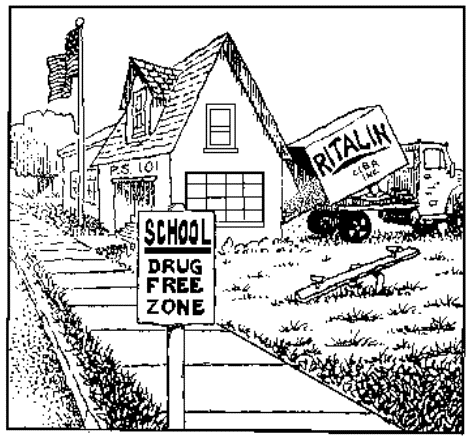
Two criteria are currently used to diagnose ADHD, Diagnostic and Statistical Manual of Mental Disorders, 4th Edition (DSM-IV) and International Classification of Diseases, 10th edition (ICD-10). American psychiatrists follow the DSM-IV, which describes two primary categories of behavioral symptoms: inattention and impulsivity-hyperactivity; and three subtypes of ADHD: inattentive type, hyperactive-impulsive type, and combined type. ICD-10, however, calls the condition Hyperkinetic Disorder (HKD or HD) and requires all three symptoms to be present for a diagnosis4,5. Despite the complexity of ADHD diagnosis, there are effective treatments for children. In the US and in Europe, psychostimulants are first-line treatments for the disorder. These drugs have been shown to be more effective on ADHD symptoms than behavioral therapy alone6. In the past decade rates of diagnosis have increased dramatically in most countries around the world. ADHD and its diagnosis and treatment have been considered controversial. The controversies involve teachers, parents, clinicians, social scientists, ethicists, regulator and children themselves.


Prevalence of ADD in the US as of 2007 (Source)


There are three positions in the debate. First, that ADHD is mainly caused by a combination of biological factors. From this perspective, diagnosis is valid and drug treatment is justified because it corrects an underlying neurochemical imbalance that affects cognitive and motor functions. Second, that ADHD is caused by a combination of biological and social factors; the diagnosis does not yet adequately capture the heterogeneity and complexity of the disorder. From this perspective, proponents accept the utility of stimulant drug medication; however, some proponents are skeptical of the widespread use of psychotropic drug treatment over other interventions, such as behavioral therapies. Third, that ADHD is a valid disorder but it is primary caused by environmental factors. This perspective views early recognition, prevention of exposure, and raising awareness about predisposing environmental factors in order to reduce dependence on stimulant medications7-10.


Diagnoses of ADHD are controversial because ADHD symptoms are difficult to distinguish from normal childhood behaviors. Also, stimulant drug treatment for children was long considered to be relatively safe11. Recently, more-serious side effects have led to new US food and Drug Administration warnings. Stimulant drugs are seen as potential threats to children’s right to this particular experience of childhood. As long as there is no indisputable scientific rationale for the growing rates of ADHD diagnosis and treatment in children, the validity of ADHD diagnosis and treatment will continue to be a controversial problem. This research aims to close interactions and collaborations between social scientists, ethicists, scientists and clinicians, because increasing scientific evidence suggests that ADHD cannot be explained by genetic or environmental factors alone. Social scientists and scientists can work together in two areas, and integrating social and scientific perspectives is likely to accomplish a more complete explanation.


--Yan Hong


Want to cite this post?


Hong, Y. (2012). Beyond polemics: science and ethics of ADHD (critique by Yan Hong). The Neuroethics Blog. Retrieved on , from http://www.theneuroethicsblog.com/2013/02/beyond-polemics-science-and-ethics-of_15.html


Works Cited


1. Remschmidt, H. & Global ADHD Working Group. Global consensus on ADHD/HKD. Eur. Child Adolesc. Psychiatry 14, 127–137 (2005).


2. Sax, L. & Kautz, K. J. Who first suggests the diagnosis of attention-deficit/hyperactivity disorder? Ann. Fam. Med. 1, 171–174 (2003).


3. Schneider, H. & Eisenberg, D. Who receives a diagnosis of attention-deficit/ hyperactivity disorder in the United States elementary school population? Pediatrics 117, e601–e609 (2006).


4. American Psychiatric Association. Diagnostic and Statistical Manual of Mental Disorders, 4th Edition, Text Revision (American Psychiatric Association, Washington DC, 2004).


5. World Health Organization. The ICD-10 Classification of Mental and Behavioral Disorders (World Health Organization, Geneva, 1992).


6. Jensen, P. et al. Findings from the NIMH Multi-modal Treatment Study (MTA): implications and applications for primary care providers. J. Dev. Behav. Pediatr. 22, 60–73 (2001).


7. Pelham, W. Psychosocial approaches to ADHD: what do we know about what works, and what does not? Presentation to the Hastings Centre NIH Working Group on Drugs in Pediatric Psychiatry (New York, 2007).


8. Linnet, K. M. et al. Maternal smoking during pregnancy risk of attention deficit hyperactivity disorder and associated behaviors: review of the current evidence. Am. J. Psychiatry 160, 1028–1040 (2003).


9. Braun, J. M., Kahn, R. S., Froehlich, T. Auinger, P. & Lanphear, B. P. Exposures to environmental toxicants and attention deficit hyperactivity disorder in U.S. children. Environ. Health Perspect. 114, 1904–1909 (2006).


10. McCann, D. et al. Food additives and hyperactive behaviour in 3-year-old and 8/9-year-old children in the community: a randomised, double-blinded, placebo-controlled trial. Lancet 370, 1560–1567 (2007).


11. Biederman, J. & Faraone, S. Attention deficit hyperactivity disorder. Lancet 366, 237–248 (2005).

Thursday, February 14, 2013

Beyond polemics: science and ethics of ADHD by Illna Singh (critique by Maylen Perez)

Over the past decade or so, there has been an alarming growth in the number of ADHD diagnoses, and, which is more disturbing, the prescription of stimulants for children with this condition. Concurrent with these increases has been a growing concern in the general public about the legitimacy of ADHD as a real disease and the repercussions and ethical issues of giving kids psychotropic drugs.


A hundred years back, this was not a problem. Kids would come to class, be disruptive, not listen, misbehave… and get a whopping smack in the hand or bum with some kind of discipline ruler or other blunt object. The teacher found this behavior to be typical of kids, the parents shook their heads wondering “where did we go wrong?” and life went on. Today, however, there have been striking advances in science that have given us some insight into the factors that contribute to ADHD, tools for recognizing the symptoms of this disease, and yet others for treating it. Or so it seems. Do we indeed have a robust and trustworthy method of detecting ADHD? Can we prove, beyond a doubt that this disease it truly real and not just a series of troublesome personality traits that society has to deal with? Unfortunately, the answer to these questions is not a definite “no”, but it is most certainly not a “yes”.


ADHD or normal behavior? (Source)


In 2008, Illna Singh published Beyond polemics: science and ethics of ADHD. This striking and informative review provides important insights into the state of ADHD research at the moment, the procedures and tools used to diagnose and treat this disease, and the ethical issues surrounding these topics that have mostly been swept under the rug.


As mentioned in the review, two main factors make ADHD difficult to diagnose. First of all, the core symptoms of ADHD (inattention, hyperactivity and impulsiveness) are similar to typical behavior exhibited by normal children. Second of all, ADHD is not diagnosed using the same criteria everywhere. There is the Diagnostic and Statistical Manual of Mental Disorders (DSM-IV) with less stringent criteria, and the International Classification of Diseases (ICD-10), with more stringent criteria. Apart from using different criteria, these manuals both use a categorical, rather than a dimensional, system of classification for this disease. Since ADHD has a heterogeneous distribution of symptoms, these categories also confound accurate diagnosis.


These issues with diagnosis have led people to take three different stands on the nature of ADHD and the moral value of using stimulants as treatment. Some people believe ADHD is completely biological and therefore should be treated with medication because it is a real disease that leads to cognitive impairment. There has been little evidence to suggest that dopamine and serotonin are implicated in this disease, but the effect size is small. Others believe that ADHD has both genetic and environmental causes and that medication is pertinent in some cases, but behavioral therapies should also be employed. Still others believe ADHD is wholly environmental and due to some detrimental event(s), and thus should not be treated with medication, but only with other therapies. There are also those people that still doubt ADHD is a real disease and their viewpoint is obviously that nothing should be done for treatment.


It would be very easy if the validity of ADHD as a disease was the only troubling factor for people. If this were the case, we could bring together social scientists, scientists, clinicians, psychologists, etc. to discuss the issues and formulate a more accurate and reliable way of diagnosing this disease. Unfortunately, the use of psychotropic, addictive stimulants, such as amphetamine, to treat ADHD in small children is the biggest concern of all, in my opinion. Not only have these drugs not been tested in kids, but there have not been any long-term longitudinal studies to assess the consequences of this treatment. Even more outrageous is the allegation that pharmaceutical companies that make these stimulants for treatment selectively publish results that make their drug look good, and hide results that suggest any detrimental effects.


Another not-so-small ethical concern revolves around the idea that we are getting better at identifying the factors that may increase a child’s risk of having ADHD. As mentioned in the article, indentifying risk factors would be useful in preventative treatment for the child, but would also bring to light ethical issues of discrimination and bias. I teacher could just as easily ignore and lose patience with a struggling student that is at risk for ADHD, as she could provide extra help for them to compensate for the possible disease. Moreover, the likelihood that ADHD children will develop further psychological problems in adulthood and become criminals may put a social stigma on anyone that is found to have the risk factors for ADHD.


Now, let’s consider the idea that stimulants do not “fix” ADHD, but are merely cognitive enhancers that compensate for the impairments caused by the disease. Should this change our view of its validity as a treatment? Stimulants have also been shown to enhance cognitive function in normal children, so is it valid to just medicate everyone and create a generation of extra smart kids better able to address the confounding environmental and sustainability issues of today? No consensus on these questions has been reached, but efforts to bring together people with different skills and experiences to discuss these issues would definitely help us tackle them more efficiently. Collaborations among scientists, social scientists and ethicists will help us understand what ADHD is, how to better diagnose and treat it, and what the ethical implications of doing so may be.


--Maylen Perez


Want to cite this post?


Perez, M. (2012). Beyond polemics: science and ethics of ADHD by Illna Singh (critique by Maylen Perez). The Neuroethics Blog. Retrieved on
, from http://www.theneuroethicsblog.com/2013/02/beyond-polemics-science-and-ethics-of.html

Wednesday, February 13, 2013

Stimulant Treatment of ADHD in Children

There are many ethical concerns that are raised by the treatment of children with psychotropic drugs. This is especially relevant with the use of stimulants to treat ADHD because of the large number of children receiving stimulant medication. In 2008, 3.5% of children under 18 in the United States received stimulant medication. This was even higher in school age children and adolescents, with 5.1% of 6-12 year olds and 4.9% of 13-18 year olds receiving stimulant treatment. This data indicates that an estimated 2.8 million children received stimulant medication for the treatment of ADHD in 20081.


Are stimulants overused? (Source)


The safety of stimulant medications in children is a large concern because there have not been many longitudinal studies on the effects of stimulant usage, especially for children beginning stimulant usage at a young age. There has been some evidence of serious side effects, including cardiovascular risk, growth suppression, and development or early onset of other psychiatric diseases2,3. Since 2007, the FDA has made stimulant medication provide warnings for these potential side effects2.


Even less well studied are the potential emotional side effects that could accompany the diagnosis of ADHD and treatment of children with stimulant drugs. One such concern is the possibility of stigma. Mental disorders are plagued with public perception problems. This is exacerbated by the diagnostic variances seen with disorders such as ADHD. These diseases can only be diagnosed through behavioral components because, with our current understanding, we do not have conclusive biomarkers or other laboratory tests to diagnose the disease, as we do in normal illnesses. This leads to multiple problems in the diagnosis of these diseases, especially in children where the symptoms are just exacerbations of normal childhood behavior2. Because of the variance and problems involved in the diagnosing of these disorders, it is easy for the public to misunderstand these diseases. ADHD is often thought of as over diagnosed, and there are some who are skeptical ADHD is even a disease. How does this view affect the children who grow up with this diagnosis and who are taking psychotropic drugs for its treatment?


Children diagnosed and treated for ADHD also have to cope with another potential component of stigma, because children with ADHD are thought to be at higher risk for social dysfunction, including drug abuse and criminality2. Thus, being diagnosed and visibly treated for ADHD could lead to changes in social perception by peers and teachers. This stigma could fall unevenly on different gender, social, and racial groups. There is evidence that girls with ADHD are treated differently than boys, with girls being less likely to receive stimulant medications, even though they receive equal benefits from stimulant treatment4,5. Differential effects of perception, stereotypes, and stigma on female children could mediate this difference in medication treatment.


Further studies are needed to understand how the diagnoses of ADHD and treatment with stimulants affect children, both physically and emotionally. It will be important to weigh this information against the positive benefits of stimulant treatment on a person-to-person basis when deciding which treatment regimen will be best.


--Elizabeth Pitts


Want to cite this post?


Pitts, E. (2012). Stimulant Treatment of ADHD in Children. The Neuroethics Blog. Retrieved on , from http://www.theneuroethicsblog.com/2013/02/stimulant-treatment-of-adhd-in-children.html


Works Cited


1) Zuvekas, S.H. & Vitiello, B. Stimulant medication use in children: a 12-year perspective. American Journal of Psychiatry 169, 160-166 (2012).


2) Singh, I. Beyond polemic: science and ethics of ADHD. Nature Reviews Neuroscience 9, 957-964 (2008).


3) DelBello, M. P., Soutullo, C. A., & Hendricks, W. et. al. Prior stimulant treatment in adolescents with bipolar disorder: association with age at onset. Bipolar Disorders 3, 53-57 (2001).


4) Angold, A., Erkanli, A., Egger, H. L., & Costello, E. J. Stimulant treatment for children: a community perspective. Journal of the American Academy of Child & Adolescent Psychiatry 39, 975-984 (2000).


5) Barbaresi, W. J., Katusic, S. K., & Colligan, R. C et. al. Long-term stimulant medication treatment of attention-deficit/hyperactivity disorder: results from a population-based study. Journal of Developmental & Behavioral Pediatrics 27, 1-10 (2006).

Tuesday, December 4, 2012

Neurodiversity and autism: where do we draw the line?

In April 2012, the Emory Neuroethics Program conducted an interview with Steven Hyman, the director of the Stanley Center for Psychiatric Research at MIT’s Broad Institute, where he expressed his belief that mental illnesses and developmental disorders should not be thought of as clear and distinct categories. He said that “classifications are, in the end, cognitive schemata that we impose on data in order to organize it and manipulate it…it's really not helpful to act like there's a ‘bright line’ in nature that separates the well from non-well.” Rather, he said, there are spectrums of behaviors, and disorders exist along them with differing degrees of severity.


This idea of spectrum disorders is common in modern psychiatry, with a commonly known example being the autism spectrum. This approach groups similar disorders of varying levels of severity along a spectrum which also includes behaviors and emotions classified as normal. While the spectrum approach is often touted as an improvement over the previous methods of classification, it still does not solve the lingering problem of how to define disorders.


Neurodiversity shirt


This question is one of the biggest issues in modern psychiatry: where along the spectrum is the transition from the normal range to a diagnosable mental disorder? Doctors and therapists rely on the Diagnostic and Statistical Manual of Mental Disorders (DSM) and scientific literature to make decisions, but it is not a perfect system and leaves room for controversy. The unreleased DSM-5 will move more towards the spectrum approach. For example, it will not include Asperger syndrome as a separate disorder, instead incorporating it into autism spectrum disorder (ASD). But despite this, the DSM-5 is being criticized for emphasizing the negative aspects of ASD (more so than the DSM-4) and, more generally, for pathologizing behaviors and mental states that, some feel, should be (and were at one point) considered normal.


When it comes to classifications, there are some who want to extend the spectrum of behaviors considered “normal” even further, or even remove the dichotomy of “normal” and “abnormal” psychology all together. One group active in this debate is the neurodiversity movement. The term neurodiversity was coined by Judy Singer, a sociologist with Asperger syndrome. It is based on the biological term biodiversity, the variety among and within species required for a healthy ecosystem. Proponents of neurodiversity argue that certain neurological, psychological, and developmental conditions which are usually described as disorders should instead be viewed as part of the normal variation that exists among humans. Neurodiversity proponents argue that while particular ways of thinking or acting may be more common and normalized, there are other equally acceptable ways of living and being. A wide variety of neurological conditions are supported by the neurodiversity movement including ADHD, dyslexia, and Tourette’s, but largely the movement has been lead by those fighting for greater acceptance of the world view and experience of those with autism.


The autism rights movement applies the ideas of neurodiversity to disorders on the autism spectrum (including autism and Asperger syndrome). Proponents of the movement, which includes people both with and without autism, see the autism spectrum “disorders” as neurological variations in functioning that, while different from the norm, should still be seen as normal and not, in fact, as disorders. These activists seek to correct myths and misconceptions about autism, emphasize autism’s positive aspects, and seek a greater role for people with autism in discussions about the condition.


A symbol of the autism rights movement


Neurodiversity proponents do not entirely disapprove of teaching or training people with autism to function better in society by helping them cope with some of the more damaging symptoms (difficulties with taking care of themselves, communicating, and reading emotions, for example). But they think this should be done without losing the beneficial aspects of autism and without making people with autism conform to a normal ideal. For example, behaviors common in autism like stimming (repetitive movements) and keeping strict routines would not be discouraged.


Another idea commonly held among neurodiversity and autism rights activists is that autism and Asperger’s are identities with their own unique culture. This explains some of the resistance to being “cured”. While ASD may contain both positive and negative characteristics, “curing” autism, activists argue, would destroy who the individuals are as people (since their autism so shapes the way they see and interact with the world) and would eliminate the autistic culture. Computers and the internet have contributed to this culture, both by allowing people with autism to more easily connect with each other and by offering a mode of communication that many are more comfortable with than face-to-face interaction. But some are worried about the detrimental effects that relying on computer mediated communication might have on important social skills gained through face-to-face interaction.


Neurodiversity advocates encourage the removal of medicalized language such as “disease”, “disorder”, “treatment”, “cure”, and “epidemic” from discussions about autism. And some prefer terms like “autistic”, “autie”, and “autist” (for those with autism) and “aspie” (for those with Asperger syndrome) instead of “person with autism/Asperger’s” to emphasize the belief that they are identities rather than disorders. This also lead to the term “neurotypical” being used to refer to people who are seen as developmentally and psychologically “normal” from a non-neurodiverse perspective. Being neurotypical has even been jokingly described as a disorder to satirize how autism is often viewed.


Just like neurodiversity is championed by both those with and without autism, the movement faces criticism from within both groups as well. A common argument is that the neurodiversity approach is championed mostly by people with Asperger’s or high-functioning autism, and while it might work for them, others need treatment. According to them, working to help such low-functioning individuals better fit into society will help them and greatly improve their quality of life. They think that maintaining autistic culture is more of a utopian ideal and, in actuality, society will never be able to truly except or accommodate low-functioning individuals with autism otherwise.


A protest against Autism Speaks, an advocacy organization often criticized by the neurodiversity movement  


The problem remains in identifying the “bright line” of distinction between “low-functioning” and “high-functioning” individuals. The “high-functioning” and “low-functioning” labels for autism are not clinical classifications and have no agreed-upon definitions. The closest thing to an official distinction is that high-functioning autism is “unaccompanied by mental retardation” while low-functioning is. But these terms are still controversial given the challenges of assessing the intelligence of those who have difficulty with (or little desire for) communicating through conventional methods and (and conventional testing). Neurodiversity advocates stress that some people diagnosed with low-functioning autism do not have any intellectual deficits and only appear to because they communicate and think so differently.


The concept of neurodiversity offers a different paradigm to approach autism. Instead of viewing it as a disease that should be cured, neurodiversity acknowledges both the positive and negative aspects of it. While most within the movement agree that it is desirable to alleviate the negative effects, they reject a “sledge-hammer approach” that tries to force everyone with autism to be more like neurotypicals in all ways, especially when they feel such treatments are harmful and even abusive.


But on the other hand, though listening to what people with autism have to say about themselves and their identities is important to understanding autism, I think that neurodiversity can also go too far, becoming too idealistic when it comes to deciding what behaviors should be accepted by society. For some, it might be in their best interest to help them communicate verbally and curb behaviors like stimming (at least in certain situations) through treatments that are less controversial (though I understand the irony here, considering that the nuerodiversity movement started in response to neurotypicals thinking they knew what was best for those with autism).


Still, neurodiversity presents an important viewpoint to keep in mind and, at the very least, illustrates how, despite how much we know about psychology and neuroscience, the only way to understand people’s subjective conscious and emotional experiences is by listening to what they have to say. Well, at least for now.


Want to cite this post?

Queen, J. (2012). Neurodiversity and autism: where do we draw the line? The Neuroethics Blog. Retrieved on , from http://www.theneuroethicsblog.com/2012/12/neurodiversity-and-autism-where-do-we.html


Additional Resources (Added 6/16/2015)


Autism

http://healthfinder.gov/FindServices/SearchContext.aspx?topic=81


Autism Speaks Resource Guide

http://www.autismspeaks.org/family-services/resource-guide


Career Assistance for People with Autism

http://www.hloom.com/career-assistance-for-people-with-autism


National Center for Autism Resources & Education

https://www.disability.gov/resource/national-center-for-autism-resources-education-ncare


AutismNOW Transition Planning

http://autismnow.org/in-the-classroom/transition-planning-for-students