Pages

Tuesday, May 31, 2016

Memory, Obesity, and Free Will

By Carlie Hoffman


Image courtesy of Wikimedia Commons

Do you remember the telephone game? One child comes up with a phrase (e.g. “I love to run”) and then whispers that phrase to the child sitting next to her. This child then whispers what she heard to the child sitting next to her, and so on. By the time the phrase reaches the final child, what started out as “I love to run” could have been transformed into “She shoved a nun,” a complete distortion of the initial sentiment. Unfortunately, a similar telephone game can, and often does, occur in the popular news. This phenomenon was showcased by Dr. Marise Parent’s recent publication, which received considerable press coverage. Dr. Parent, a professor of neuroscience and psychology at Georgia State University and the speaker at our April Neuroethics and Neuroscience in the News journal club, explained how her data linking consumption of a sucrose meal to formation of a food memory was transformed into media headlines claiming “Sweets can help you stay in shape” and “Don’t skip dessert. It can help you eat healthier.” A perfect grown-up example of the telephone game at work.


Dr. Parent’s research at Georgia State focuses on memory in both humans and rodents. Parent explained that there are two major types of memory: semantic memory and episodic memory. Semantic memory refers to memories of facts (e.g. A lake is a large body of water surrounded by land), while episodic memory refers to autobiographical memories of events and experiences (e.g. I went to the lake last Saturday). Episodic memory also includes memories of past meals and provides a record of food intake that lasts long after you have finished eating. These food memories then influence your future eating behavior-- for instance, if you remember that you ate a large breakfast, you may decide to have a lighter lunch [1].


The brain region most closely associated with memory is the hippocampus, which derives its name from the Greek word for “seahorse.” In addition to being involved in general memory formation and retrieval, the hippocampus plays a large role in episodic memory, including the formation of food memories. Parent explained that the hippocampus has receptors for distention, satiety, and other food-related signals [2, 3], and that damage to the hippocampus results in increased food intake [4]. Furthermore, dorsal hippocampal neurons are specifically involved in the formation of episodic memories [5]. Parent showed data indicating that rats subjected to inactivation of their dorsal hippocampal neurons after ingesting a sucrose meal ate their next sucrose meal sooner and ate more during this meal as compared to when their dorsal hippocampal neurons were unaltered [6]. A subsequent study determined that when a rat ingested sucrose, there was increased expression of a marker of synaptic plasticity in its dorsal hippocampus. Expression of this synaptic plasticity marker is associated with memory formation, suggesting that the rat was forming a memory of its sucrose meal [7].


Comparison of the human hippocampus and a seahorse, image

courtesy of Wikipedia


These data raise an interesting question about the role of free will in feeding behavior: do we have conscious control over what we eat, or are we just slaves to our food memories? If our free will is not sufficient to control what we eat and we are driven entirely by food memories, then we cannot be blamed for our feeding behavior-- a conclusion that has important repercussions for obesity and other food-related disorders. Obesity was recently labeled a disease by the American Medical Association (though there is contention about this classification). Some suggest that designating obesity as a disease allows blame for the condition to shift from being centered on the obese individual to being centered on forces beyond the obese individual’s control. If obesity is the result of forces beyond our control (like food memory formation), then obese individuals are simply victims of their obesity-- their food addiction is beyond their control and cannot be altered by force of will. Yet, food memory formation is not entirely out of our control. Parent explained that attention to food consumption alters the formation of a food memory, such that being distracted while you eat impairs the formation of a food memory and increases future food intake, while increased attention, or mindfulness, while you eat enhances the formation of a food memory and decreases future intake [8, 9]. For example, if you eat a piece of pizza while watching a movie, your memory of eating the pizza will be impaired and you will eat more food later on. Conversely, if you focus on the texture of the crust and the spiciness of the pepperoni while eating the slice of pizza, your memory of eating the pizza will be enhanced and you will eat less food later on. Thus, the influence of mindfulness on food memory formation suggests that we have a conscious role in what we eat and reintroduces free will into our feeding behavior (though free will is still a rather complex topic, as previously discussed on the blog here and here).


After publishing her findings on food memory formation in an article entitled, “Sweet orosensation induces Arc expression in dorsal hippocampal CA1 neurons in an experience-dependent manner [7],” a press release was written and published by Georgia State describing Parent’s work. Parent worked closely with the writer of the press release to ensure that her findings were accurately described and interpreted, and a press release entitled “Consuming Sweets Forms Memories That May Control Eating Habits, Neuroscience Study Finds” was published in November 2015. Though Parent did not have a problem with the title of the press release, the title made a small generalization that had huge implications for how the media interpreted Parent’s work: it erroneously broadened the “sweet orosensation” described in Parent’s article to generally “consuming sweets.” This seemingly minor generalization attributed memory formation to eating sweets instead of to the consumption of a meal that was comprised of sucrose. Soon after the Georgia State press release was published, Parent’s research was discussed by journals and news sources around the world, including Science Daily, the Daily Mail, ZME Science, The Atlanta Business Chronicle, The Science Explorer, and many others. Just like the telephone game, Parent’s findings became more and more distorted over time: starting with the claim that sweets form memories that may help control eating, articles were soon declaring that people should eat sweets with every meal and that eating desserts will help you eat healthier, eat less, and stay in shape.


This unanticipated media coverage raised a few serious questions for Parent: Is bad news coverage better than no news coverage? And, do researchers have ethical and social responsibilities to ensure that their findings are interpreted correctly?


Image courtesy of Wikimedia Commons

Many scientists are excited by the prospect of having their research discussed in popular media, both because of the scientific awareness that arises from such discussion and also because of the prestige that often accompanies news coverage. However, as occurred with Parent's work, sometimes the media misinterprets scientific findings and then raises awareness about these misinterpretations. The detrimental effects of spreading inaccurate research claims can be substantial, potentially leading to negative public health consequences (think vaccines and autism). The headlines inspired by misconceptions of Parent’s work also have the potential to negatively impact health, with some articles proposing new dieting regimens based on chocolate.


Faced with the increasing number of news articles that misinterpreted her work, Parent was torn as to whether she should correct the media. Though she wanted there to be accurate news coverage of her findings, she explained that there was little incentive for her to correct the headlines. As of yet, her scientific reputation remains unharmed by this runaway media coverage (though the question remains as to whether her reputation will be tarnished by these false interpretations in the future) and she stated that writing a correction article would not provide her with any monetary or career advancement-- the time spent writing a correction would not result in scientific publications to improve her publication record nor would it result in grant money to help fund her research.


Furthermore, though Parent and others believe that scientists have the responsibility to produce a scientifically-literate society, which includes monitoring the information that is disseminated to the public, such monitoring often isn’t common practice. As Parent stated, there is little incentive for scientists or universities to act on their ethical responsibility to educate the public. The mantra within the science community is often described as “publish or perish”-- publish as many papers as you can or you will not have a successful career-- and the field often emphasizes scientific success and career advancement over scientific advancement and the pursuit of truth. In some instances, this emphasis on personal success has led to people cutting corners and sacrificing the quality of their science to obtain a publication. Recent examples include the retracted Science article describing the influence of lobbying on people’s opinions on gay marriage, and the finding that a large proportion of previously published psychology studies cannot be replicated.


A cultural shift is needed that will move scientists toward the promotion of the greater good of science and away from the sole promotion of the greater good of their careers. To reach this goal, scientific training should incorporate the basics of science communication and should emphasize the value of interfacing with the public. Additionally, there should be more incentive for both the researcher and the research institution to ensure that scientific findings are accurately portrayed by the media. Such incentives may appear in the form of additional watchdog sites, such as Quackwatch, or increased frowning-upon of bad scientific news coverage. This discouragement of incorrect news stories will raise emphasis on good media coverage and will give researchers more incentive to pay attention to what the media is saying about their work. Alternatively, rewarding good communicators through promotion within their institution and through funding incentives may be even more effective than punitive measures.


Understandably, such wide-scale changes cannot happen overnight. In the meantime, researchers must use caution when describing their research to the media and we should all strive toward the goal of creating a society where the telephone game is played solely among children and does not encroach into popular media.


References:


1. Higgs S. Memory and Its Role in Appetite Regulation. Physiol Behav. 2005;85(1):67-72. Epub 2005/06/01. doi: 10.1016/j.physbeh.2005.04.003. PubMed PMID: 15924907.


2. Wallner-Liebmann S, Koschutnig K, Reishofer G, Sorantin E, Blaschitz B, Kruschitz R, Unterrainer HF, Gasser R, Freytag F, Bauer-Denk C, Schienle A, Schafer A, Mangge H. Insulin and Hippocampus Activation in Response to Images of High-Calorie Food in Normal Weight and Obese Adolescents. Obesity (Silver Spring). 2010;18(8):1552-1557. Epub 2010/02/20. doi: 10.1038/oby.2010.26. PubMed PMID: 20168310.


3. Davidson TL, Jarrard LE. A Role for Hippocampus in the Utilization of Hunger Signals. Behavioral & Neural Biology. 1993;59(2):167-171. Epub 1993/03/01. PubMed PMID: 8476385.


4. Davidson TL, Chan K, Jarrard LE, Kanoski SE, Clegg DJ, Benoit SC. Contributions of the Hippocampus and Medial Prefrontal Cortex to Energy and Body Weight Regulation. Hippocampus. 2009;19(3):235-252. Epub 2008/10/03. doi: 10.1002/hipo.20499. PubMed PMID: 18831000; PMCID: PMC2649976.


5. Veyrac A, Allerborn M, Gros A, Michon F, Raguet L, Kenney J, Godinot F, Thevenet M, Garcia S, Messaoudi B, Laroche S, Ravel N. Memory of Occasional Events in Rats: Individual Episodic Memory Profiles, Flexibility, and Neural Substrate. J Neurosci. 2015;35(19):7575-7586. Epub 2015/05/15. doi: 10.1523/jneurosci.3941-14.2015. PubMed PMID: 25972182.


6. Henderson YO, Smith GP, Parent MB. Hippocampal Neurons Inhibit Meal Onset. Hippocampus. 2013;23(1):100-107. Epub 2012/08/29. doi: 10.1002/hipo.22062. PubMed PMID: 22927320.


7. Henderson YO, Nalloor R, Vazdarjanova A, Parent MB. Sweet Orosensation Induces Arc Expression in Dorsal Hippocampal Ca1 Neurons in an Experience-Dependent Manner. Hippocampus. 2016;26(3):405-413. Epub 2015/09/20. doi: 10.1002/hipo.22532. PubMed PMID: 26386270.


8. Higgs S, Williamson AC, Attwood AS. Recall of Recent Lunch and Its Effect on Subsequent Snack Intake. Physiol Behav. 2008;94(3):454-462. Epub 2008/04/19. doi: 10.1016/j.physbeh.2008.02.011. PubMed PMID: 18420236.


9. Robinson E, Aveyard P, Daley A, Jolly K, Lewis A, Lycett D, Higgs S. Eating Attentively: A Systematic Review and Meta-Analysis of the Effect of Food Intake Memory and Awareness on Eating. Am J Clin Nutr. 2013;97(4):728-742. Epub 2013/03/01. doi: 10.3945/ajcn.112.045245. PubMed PMID: 23446890; PMCID: PMC3607652.


Want to cite this post?


Hoffman, C. (2016). Memory, Obesity, and Free Will. The Neuroethics Blog. Retrieved on , from http://www.theneuroethicsblog.com/2016/05/memory-obesity-and-free-will.html


Tuesday, May 24, 2016

Survival Needs and Growth Attenuation Therapy: Do They Signal a Need for a “Dependency Ethics”?


By John Banja, PhD


In 2006, the world learned about a child born with profound and life-long cognitive and physical disabilities who had undergone growth attenuation therapy (GAT) four years previously [1]. Called “Ashley” in media reports, she not only received the GAT—which consisted of administering high doses of estrogen over the span of a few years so as to staunch her physical growth—but she additionally had a hysterectomy, removal of her breast buds and an appendectomy. In response to international outrage that the child suffered these “mutilations” because she was disabled, her parents argued that these interventions would enable them to take better care of her, especially as she aged.


Image courtesy of Pixabay


GAT is back in the news with a New York Times magazine article [2] appearing March 22nd and an empirical study on parental perspectives recently published in the Cambridge Quarterly of Healthcare Ethics [3]. Children who receive GAT have an intellectual capacity that will likely never exceed that of a 1 year old, and they require 24 hour a day care throughout their lives. GAT typically consists in their receiving daily doses of estrogen between ages 3 and 6. The estrogen stimulates the premature closing of the growth plates or cartilaginous structures occurring at the ends of the long bones in their legs and arms, resulting in some reduction in height. About 75 percent of parents who choose GAT for their children do so because they are the child’s primary caregivers, and they justify their treatment decision in light of its facilitating both their and their child’s quality of life [2]. One parent was quoted as saying, “My daughter is trapped in a wheelchair all her life, and she’s more comfortable…We brought her out of her chair and into our laps…She needs to be in our laps for our whole life” [2]. Alternatively, disability rights advocates repudiate GAT as a violation of the child’s bodily inviolability. They insist that these children have an inherent right to grow and thrive into adulthood, and they vigorously condemn GAT as a victimizing and infantilizing intervention [4].


Different people view the world in different ways, and the contrast between GAT proponents and opponents is remarkably stark. GAT proponents represent a mix of utilitarian, pragmatic, and quality of life concerned people. They believe that GAT maximizes their children’s pleasurable experiences, which count more than intellectual ones; they argue that their children’s life-long dependency prompts very reasonable concerns about caregivers’ needs and burdens; and they argue that if GAT therapy in fact enhances the child’s enjoyment of the world, it also enhances the child’s enjoyment of his or her civil or human rights [3]. GAT opponents, on the other hand, are much more deontological and disability rights oriented. They champion the child’s natural entitlement to his or her bodily integrity which they believe GAT violates; they point out that GAT is a medical intervention that “abuses” children for the sake of their caregivers’ comfort (recalling the eugenics movement of the early 20th century); and they argue that overall, society and parents should adapt to these children rather than the other way around [3,4].


It seems inarguable that both groups deeply care about these children, which prompts the inevitable question about which side has the stronger argument. As with all authentic ethical dilemmas, this one pits a right against a right. Each side can call on principles and considerations that are morally compelling and about which respectable and responsible points of view can differ. While bioethical argument sometimes gives the impression that there are slam-dunk answers to trenchant bioethical quandaries waiting to be discovered, as a matter of sociological and historical fact, our bedrock bioethical constructs like informed consent, privacy and confidentiality, end of life policies, and women’s reproductive rights were decades in the making. While theoretical constructs were essential in formulating and arguing for these positions, real life experiences were needed to shape their implementations, evaluate their outcomes, and decide how to move forward. And even then, attitudinal and cultural currents alter people’s ethical sensibilities such that for certain of these cases—especially ones for which we lack traditions or precedents—there may be no final narrative or conclusive moral remedy.


And this is a problem for GAT: GAT is only about a decade old and there appear to be less than 100 recorded cases. Because of its controversial features including its being a “last resort” therapy, neither physicians nor their institutions are eager to discuss their experiences with it, so securing research data is challenging. Also, the long term risks of GAT are unknown although side effects such as the development of ovarian cysts, amenorrhea, hyperprolactinemia, breast tissue stimulation and thrombosis have been observed [2]. Moreover, GAT is not FDA approved but constitutes an off-label use of estrogen. But even then, a rigorous FDA trial would require years and might result in federal regulations restricting GAT’s use—an outcome that worries GAT proponents.


Some children with disabilities require an enormous

amount of care; image courtesy of Wikipedia.


Still, a long-term, data driven approach may be one way towards settling the ethical problem. If the morally correct argument or position is the one that wins out in the long run—as I believe Richard Rorty opined—then we can track and ask GAT parents over the next decade or two whether they have found it the right thing to do and whether they would recommend it to others. If they overwhelmingly answer in the affirmative and can convince us that GAT has immeasurably improved their and their children’s quality of life, then GAT opposition would seem to lose much of its force, not to mention seem unreasonably demanding given the caregiving burdens these children’s survival needs present.


And it is on that note of survival needs that I’ll end. While disability advocates represent GAT as an appalling civil rights violation, I rather think they ignore the idea that not only do caretakers have a right to relieve themselves of as many burdens as they reasonably can, but that the frankly enormous extent of these children’s neediness may recommend a consideration of something we might roughly term “dependency ethics”—that is, not an ethics of welfare involving remedies for income or opportunity inequality, but rather admitting a moral platform that justifies and accepts reasonable limits on caregiver duties and obligations, especially towards persons whose sheer survival requirements make enormous demands on a group’s resources and energy. The tone of such a proposal may sound cold or the beginnings of a slide down a slippery moral slope. But when an individual’s survival needs require a tremendous degree of external support—especially in instances where that individual has very little if any ability to contemplate his or her experience of the world but only an ability to feel that world as pleasurable or painful—I cannot help but think that our sensibilities about the welfare of those individuals’ caregivers should be proportionately heightened. (As for the children themselves, there is no convincing quality of life data as yet to recommend or reject GAT [3].)


A colleague reading a draft of this blog wondered “what would be lost” if the empirical, utilitarian oriented approach I’m advancing would take hold or at least seem worth a try. Most importantly, I think what would be lost (or overwhelmed) is the moral sensibility that seeks to protect the physical inviolability or integrity of persons like Ashley. Yet, in the most practical sense, does it make sense to lament GAT as a loss to Ashley and persons like her if they can never represent or contemplate that loss? The fact that they have a robust sensorial life but not an intellectual one suggests that the quality of their lives be located within the sensorial experience they can have and appreciate, rather than an ideological one they can’t.


Clearly, situations that present the possibility of a GAT intervention are anguishing and remind us of life’s fragility, which is why we don’t like to think about them. To the extent, though, that contemporary technology can enable these children’s survival presumably into old age but has not developed easy and inexpensive ways to prevent the occurrence of their disabilities, we are left with having to create clinical and social responses that are morally acceptable. With respect to GAT, we seem to have entered a middle phase, having at least articulated the basic battle lines around which GAT proponents and opponents will huddle. If I’m right, this second phase will witness an evolving observational/empirical experience with GAT, unless genetic technologies progress to the point where these cases become even rarer and ultimately drop off the national radar screen. That seems unlikely to happen anytime soon, though. In the meantime, perhaps the idea of “dependency ethics” deserves some further discussion and analysis.


References


[1]  Gunther DF, Diekema D. 2006. Attenuating growth in children with profound developmental disability: A new approach to an old dilemma. Archives of Pediatric & Adolescent Medicine 160(10):1013-17.


[2]  Field G. March 22, 2016. Should parents of children with severe disability be allowed to stop their growth? New York Times magazine. Available  here.


[3]  Kerruish N. 2016. Growth attenuation therapy: Views of parents of children with profound cognitive impairment. Cambridge Quarterly of Healthcare Ethics 25:70-83.


[4]  Kittay EF. 2011. Forever small: The strange case of Ashley X. Hypatia 26(3):610-631.


Want to cite this post?


Banja, J. (2016). Survival Needs and Growth Attenuation Therapy: Do They Signal a Need for a “Dependency Ethics”? The Neuroethics Blog. Retrieved on , from http://www.theneuroethicsblog.com/2016/05/survival-needs-and-growth-attenuation.html


Tuesday, May 17, 2016

Cognitive Enrichment on Cognitive Enhancement at the Michigan Undergraduate Philosophy Conference

By Shweta Sahu


Photo Credit: Anne Trelfa

On February 19, the Michigan Undergraduate Philosophy Conference assembled for the 4th annual meeting at the Insight Institute of Neurosurgery and Neuroscience in Flint, Michigan. The program is jointly hosted by the Center for Cognition and Neuroethics and the University of Michigan-Flint Philosophy Department. I had the pleasure of attending and presenting at this incredible event through the generous support of the American Journal of Bioethics Neuroscience and the Neuroethics Program at Emory. The goals of the Center for Cognition and Neuroethics are to promote “the exploration of conceptual foundations of neuroscience” and to “study the implications of their advances for society in the legal, political, and ethical realms.” The conference, organized by Cody Hatfield-Myers, a senior at the University of Michigan- Flint, brought together students from multiple states in the US and even a few students from Canada.


The event, directed at undergraduate students, aimed to foster the sharing of students’ diverse papers, all linked by the common themes of cognition and neuroethics. Central topics of discussion included: philosophy of mind, cognitive science, neuroscience, philosophy of action and free will, identity, medical ethics and memory, learning, belief, and knowledge. Common questions that seemed to resurface included: What is self-identity? Can you freely alter your own self-identity? Are there aspects of one’s personal identity that it would be wrong to alter, eliminate or hide? If so, why? What is the proper role of medicine—to eliminate illness or to enhance people (physically, morally, psychologically) to make them “better than well”? What are the limits of parental control over the health and well-being of the body and mind of their child (as was the case with my talk)? Do children have the right to determine whether or not they are subjected to medical or psychological treatments? How are health, life and death, medicine, physical and mental illness portrayed in art, music, and in literature?


The conference was structured to facilitate discussion and interdisciplinary collaboration. Each session consisted of two talks. After some inspiring opening remarks by Cody Myers from University of Michigan-Flint, the first session consisted of talks from Albwin Wagner Scmitzer from University of Cincinnati, who presented his paper “Fantasy, Reality, and the Self,” and from Ryan Powers from Ohio University, who presented his paper, “Logical Fatalism: Origins as Essential Properties of Events.” In his talk, Schmitzer asked and expanded upon the question, if we usually discredit fiction as having value in the real world, is there any point to reading it? The second session featured a talk from Juensung Kim from University of Toronto on “Predicting Encoding of Acupuncture” along with my own talk, “Responsibility: Revis(ion)ing Brains via Cognitive Enhancement.” Kim’s talk was particularly engaging because he spoke more from a neuroscience background and found ties to connect his Asian culture back to early ancient medicinal rituals, like acupuncture.


The purpose of my paper was to explore the ethical issues surrounding cognitive enhancement, which is the augmentation of one’s intellectual ability via medicine or various methods of therapy, especially transcranial direct current stimulation (tDCS). I also wrote a bit about this in an earlier post here. I began by introducing tDCS and noting its rise in popularity, along with its growing fervor in the DIY community. I then reviewed and expanded on some of Dr. Anjan Chatterjee’s concerns regarding “cosmetic neurology,” including, but not limited to, whether cognitive enhancement is worth the potential risks; if we have the ability to enhance, should we enhance; and could we alter the individual and erode character through enhancement? I delved further into the personal realm and questioned whether my parents would have opted for cognitive enhancement for me, but from the unique perspective of a first generation student and the complications that ensued.


Image courtesy of Flickr user Steven S.


One fascinating question that fellow Emory University student, Lokita Rajan, brought up was whether the use of calculators could be considered a form of coercion. She astutely noted that teachers frequently write exams assuming that students use calculators on math or science exams, and that the time frame allowed for the test assumes the use of a calculator. However, in doing so, are they taking away our free will or are they enabling us to reach our full potential? She was prompted to ask this question in response to my statement that “enhancements just augment people’s existing capabilities, so they may enable them to lead a more 'authentic life' and reach their full potential.” Conversely, one may argue that “natural” excellence is worth more than bought talent. In my view, if there are shortcuts to excellence, then access to those shortcuts is what determines success or failures, not one’s inherent hard work. Moreover, some shortcuts in our society are completely acceptable. For example, performance enhancing athletic shoes and the use of calculators in high school physics promote authenticity by allowing a person to concentrate on more complex challenges that relate to goals rather than spending time developing thick soles or trudging through algebra. While we may be implicitly coerced into using calculators, I think it is acceptable because the use of a calculator allows us to focus our energies on the subject we are trying to master (whether it be using equations in biochemistry or formulas in physics), rather than “wasting time” doing the algebra and not grasping the main idea of the science we are learning.


Another question that was particularly intriguing was brought up by Cody Myers, the event coordinator. He asked about the cultural responses to enhancements. Since I came at my paper from more of a neuroscience and ethics view, and less of a sociological or anthropological background, I didn’t know much about the existing literature except to know that most cultures probably view it differently. However, based on personal experience, I can tell you that when speaking with my cousin my age in India, he does not know of peers with ADHD, has never heard of Ritalin, or even study drugs commonly used in colleges in the US, though he goes to a prestigious university in India. This got me wondering whether parents there immediately discredit those ideas and frown upon enhancements other than natural remedies. As a kid, I would always mix up my P’s, F’s and 5’s and I had a hard time sitting in one place, so I thought that maybe I needed to get tested for ADHD or dyslexia. I remember that when I voiced this thought to my parents, they immediately said nothing was wrong with me I just needed to focus better. A study done by Ilina Singh on kids with ADHD in the UK and the US backs up the idea that different cultures view enhancements differently. After asking children in both countries why they took Ritalin, the study found that kids in the UK mainly reported that they take Ritalin so they can “manage anger and bad behaviors,” but kids in the US reported that they take Ritalin to “be more productive and improve academic performance.”


Upon further investigation into the literature, it is found that traditional Chinese medicine and Indian ayurvedic treatments using a plethora of plants and naturally occurring substances are widely practiced in China and India, respectively. Moreover, one WHO report found that "up to 80% of people in developing countries use traditional medical therapies as the first line of defense against illness." Another study notes that these holistic systems of health care are commonly used in the "prevention and management of chronic, non-communicable and systemic disease." Yet another study has reviewed the applications of plants used in ayurvedic medicine and found that these natural treatments have been used in: "stimulating intellect and sharpening the memory... restoring youth, memory and longevity... combating physical and mental exhaustion..." Thus, we can see that some cultures do seem to prefer natural enhancements over "unnatural enhancements" such as pills. Extending this idea by association, therefore, leads us to believe these same cultures would most probably value natural cognitive enhancement methods (like exercise, meditation, and ayurvedic plants) over unnatural ones (noninvasive brain stimulation and pills). If presented with a pill containing a crushed up herb with added chemicals, perhaps these individuals would hesitate to comply with such medication.


Photo Credit: Cody Hatfield-Myers


Another stimulating question Juensung Kim brought up stumped me at first. He asked whether glasses and clothes are considered enhancements. The answer to this question lies in the definition. Though there are many definitions of cognitive enhancement, most say something among the lines of: “the use of drugs, biotechnological strategies or other means by healthy individuals aiming at the improvement of cognitive functions such as vigilance, concentration or memory without any medical need." So yes, while glasses can improve your ability to see what a professor is writing on the board, thereby allowing you to engage with the material more, they are not an enhancement, in my opinion because they are not augmenting your cognitive ability [memory, reasoning, problem solving, etc.] as do other enhancements.


Little did I know that my talk would be just one of the stimulating, spectacular talks given by my peers; a full itinerary of the talks and lecturers can be viewed here. Following each talk, there were several other enthralling debates, questions, and discussions brought up by conference members. Some questions that were discussed in depth were in regards to the role/extent of free will in determining responsibility in criminal trials, how much sensorimotor understanding was comparable to Kant's epistemology, how responsibility differs in parents putting their children to bed on time and dieting in comparison to applying some sort of noninvasive brain stimulation, whether the brain is more malleable if it has been primed earlier in life, and the uses of N, N-Dimethyltryptamine (similar to serotonin) in the brain and its role in evolution.


It was truly an engaging day filled with excellent questions. My hope is that more people will present and attend in the future, and I hope to attend next year for another wonderfully eye-opening event.


Want to cite this post?


Sahu, S. (2016). Cognitive Enrichment on Cognitive Enhancement at the Michigan Undergraduate Philosophy Conference. The Neuroethics Blog. Retrieved on , from http://www.theneuroethicsblog.com/2016/05/cognitive-enrichment-on-cognitive.html

Tuesday, May 10, 2016

Notes from the field: Critical Juncture at Emory


by Lindsey Grubbs


Early in April, Emory University hosted the third iteration of Critical Juncture. This annual(ish) graduate-student-led conference focuses on intersectionality, examining interconnecting dynamics of systems of oppression including racism, sexism, ableism, and classism. This year’s conference, while maintaining a broader focus on the complexities of identity and oppression, took as its theme “representations of the body”: which bodies are, and perhaps more importantly which are not, represented in science, politics, the arts, and the academy, and what forms do these representations take?


From its beginning, the conference has links to neuroethics at Emory. One of the co-founders of the conference, Jennifer Sarrett, was a past Neuroethics Scholars Program Fellow. This year, I—one-time managing editor of this blog and current intrepid neuroethics blogger—served as one of the co-organizers.


The focus at this year’s conference was on increasing opportunities for interdisciplinary engagement. The disciplinary backgrounds of our organizational team made this possible: we had one doctoral student in English and bioethics (me), one in public health (Ilana Raskind), a third in microbiology and molecular genetics (Kellie Vinal), and (now Dr.) Jennifer Sarrett stepped in as faculty mentor from the Center for the Study of Human Health. We arranged for a variety of presentation and conversation formats in the hopes of inspiring more cross-talk and examination: seminars with established thinkers at Emory, a poster reception with flash talks (and plenty of food and drink), and interdisciplinary panels arranged, when possible, with an eye to disciplinary diversity. For example, one panel brought together speakers from the medical school, English, history, and Behavioral Science & Health Education to tackle intersections of race, gender, and medicine.


Altogether, the conference drew participants nationally and even internationally for a day and a half of exciting conversations and connections that will hopefully thrive in the months and years to come. Although the conference wasn’t focused specifically on the brain, we solicited presentations investigating representations of mental illness, biological psychiatry, and the mind-body connection. The vibrancy of talks verging on the “neuro” serves as a reminder of how these questions transcend and bridge disciplines, and the ways that these interdisciplinary encounters can spur interesting questions for work on the mind and brain.


A seminar with Emory neuroscientist and feminist theorist Deboleena Roy, for example, drew an attentive crowd to discuss her recent article interrogating the uneasy intersection between neuroscience and feminist theory—the lively discussion pulled together participants from women’s, gender, and sexuality studies, English, psychology, the medical school, immunology, the visual arts and beyond.


Portrait of William Wordsworth by Benjamin Robert Haydon

from Wikimedia Commons


Interestingly, the panel most explicitly focused on mind and brain was populated almost entirely by literary scholars, highlighting what a robust exciting field literary and cultural studies approaches to the brain has become (references for this kind of work can be found here and here and here). Hardly an easy incorporation of pop psychology and neuroscience into the humanities, these thinkers showed how medical or scientific concepts have charted uneasy paths—simultaneously integrated and resisted—through arts and culture.


UCLA English doctoral candidate Jess Horvath looked at the relationship between psychiatric disability and literary form, for example in the schizophrenic break of Pecola in Toni Morrison’s The Bluest Eye. Emory’s Corey Goergen read William Wordsworth’s poem “Peter Bell” as a literary case study challenging dominant discourses about embodied cognition and metaphor as articulated by philosophers Lakoff and Johnson and their theoretical descendants. In this way, he highlights the complex contributions literary texts—deeply idiosyncratic and unique—can make to cognitive theory.


Chandler Batchelor, from UNC Chapel Hill’s graduate program in Literature, Medicine, and Culture, spoke in the same session about how people involved in the Hearing Voices Movement forge individual challenges to medical narratives of pathology and normality without simply falling under the rubric of anti-psychiatry. By paying close attention to the language used by voice hearers, Batchelor advocates for more nuanced, individualized approaches to care. (Stay tuned from a post by Batchelor later this summer!)


Photo courtesy of Full Radius Dance.

Photo by Bubba Carr.


Neuro-discourses even cropped up in the unlikely venue of an evening performance by Full Radius, an Atlanta-based dance company integrating wheelchair users and able-bodied dancers. Director Douglas Scott set up one piece by commenting on the power of partnership and touch in dance. He said, “I wanted to know what about touch is so powerful. What's the science behind touch?” The answer led him from initial contact, to pacinian corpuscles, to the vagus nerve, the heart, to oxytocin, and beyond. This reminder—that curiosity and inspiration extend beyond narrow disciplinary bounds—was one of the most exciting things to witness at Critical Juncture.


Perhaps fittingly (though admittedly not by design), the final panel of the conference was the one focused most explicitly on interdisciplinary endeavors and initiatives. Though none of these talks were neuro-specific, they captured the spirit of mutual inquiry and creativity that makes fields like neuroethics thrive. One exciting example was the collaboration of art theorist Charissa Terranova and biologist David Wessner on the digital exhibition Gut Instinct: Art, Design, and the Microbiome, which emerged from a collaboration through the SciArt Center of New York. (They also kept a joint blog as part of this project that’s worth a read!)


Another exciting project came from Kym Weed, who talked about her work in the HHIVE lab (Health and Humanities: An Interdisciplinary Venue for Exploration) at UNC Chapel Hill. Specifically, she introduced a collaboration between English and Occupational Therapy students on gathering and analyzing narratives of falls in older adults. She shared both the interesting results they gathered and equally interesting perspectives on the logistical and theoretical challenges of working across disciplines.


Neuroethics is of course already thriving as a uniquely interdisciplinary field, composed of laboratory scientists, philosophers, social scientists, and beyond. The excitement and engagement I witnessed through interdisciplinary ventures and conversations at Critical Juncture (while occasionally hitting snags of language or methodology) felt vibrant and generative, and served as a reminder that neuroethics must continue to explore new interdisciplinary methods and interests: generating projects across disciplines, co-writing articles with strange bedfellows, and embracing the creativity and idiosyncrasy of the arts. (This recent book by Felicity Callard and Des Fitzgerald provides a frank, illuminating discussion of interdisciplinary possibilities in the neurosciences and humanities.)


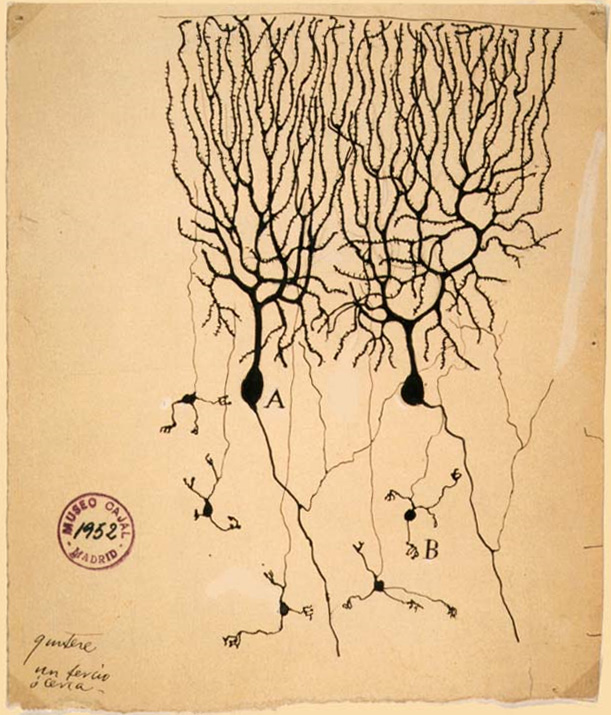
Santiago Ramón y Cajal's drawing of Purkinje cells


Judging from even the small percentage of talks that emphasized the neuro-fields, I can easily imagine a future iteration of Critical Juncture—or some other conference/workshop/organization entirely—fruitfully focusing specifically on interdisciplinary approaches to mind and brain (I leave it to you, organizers of the future, to generate some witty wordplay relying on synaptic junctions).


Beyond just talking between academic disciplines, conversations could link the academy with local artists and community-based movements (perhaps in the vein of Sickle and Flow, a project Christopher Lewis discussed at Critical Juncture). Such an event could draw together neuroscience and cognitive science researchers, visual and performance artists, activists and science communicators, scholars of the humanities and social scientists. Through mutual inquiry, perhaps participants could come away with new perspectives—a deeper sense of the historical context of a contemporary field of research (and why that might matter in the first place), a demystified understanding of the process by which colorful images are crafted from magnetic imaging, or a clearer awareness of the concerns and priorities of patients with neurological conditions.


What might emerge from a panel discussion of representations of mental illness including a mad pride activist, neuropsych researcher, science journalist, and a sociologist of health?


How might a conversation with a neuroscientist provide inspiration for piece of visual art? How might that art in turn help the neuroscientist see or teach their research in a new way? How might co-curating an exhibit, as Terranova and Wessner did, help people with different disciplinary training find mutual ground?


Could community-based projects and partnerships be initiated or strengthened through connections with new networks? (Eddie Gonzales, of StoryCorps Legacy, spoke on a panel at Critical Juncture, showing the emotional force of testimony and connection, but also calling for researchers to make use of the huge bank of archival documentation this project has amassed.)


A project of this kind need not take on a utopian or uncritical tone to be of use. As transdisciplinary team Des Fitzgerald, Melissa Littlefield, Kasper Knudsen, James Tonks, and Martin Dietz articulate in their fascinating article, “Ambivalence, equivocation and the politics of experimental knowledge: A transdisciplinary neuroscience encounter,” such encounters are not universally productive and can be hotbeds of negative affect. My own attempt to work across disciplines leaves me with significant anxiety about what is “lost in translation” as I try to render myself legible to a variety of readers or listeners—do I bastardize the specialized knowledge of my home discipline by oversimplifying or cutting jargon that has developed through decades of scholarly inquiry? To what extent is it possible to incorporate the insights of a field I don’t have five years of graduate training in? Interdisciplinary encounters, though, don’t need to ignore or sidestep these problems, but can make space to talk about them freely and collaborate nevertheless—to receive mentorship from others who have succeeded (or perhaps more productively, failed) in prior attempts to tackle these problems. I, for one, would love to attend a roundtable titled “my biggest interdisciplinary failure.”


Ultimately, it seems that one of the most concrete benefits emerging from sharing interdisciplinary spaces is the reminder of how our “home disciplines” are put together—their strengths, weaknesses, and methodologies. Other than the occasional sobering attempt to define our research interests at family gatherings, many of us end up spending a great deal of time with people who share our training, and hence, often, our assumptions about how the world works. Unless you have a special gift, trying to explain the tenets of your field to someone who hasn’t taken the same “methods” course as you is a humbling endeavor, but, I think, a crucial one. Our own ideologies and organizing principles have a way of becoming invisible to us, and at the very least, it’s worth shining a light a little brighter on them.


PS:


The conference is organized by graduate students each year, and only takes place when two or three students take on the task—so if any of you out there are reading and are interested in taking on the conference in years to come, this could be you! Feel free to reach out to me with questions.


Want to cite this post?


Grubbs, L. (2016). Notes from the field: Critical Juncture conference at Emory. The Neuroethics Blog. Retrieved on , from http://www.theneuroethicsblog.com/2016/05/notes-from-field-critical-juncture.html

Tuesday, May 3, 2016

Oxytocin: The Hormone of Hype, Hope, and Healing

By Shweta Sahu


Due to his work interrogating the role of certain chemicals in vole behavior at Yerkes National Primate Research Center, Dr. Larry Young has come across the problem of his results being portrayed hyperbolically, as the science sometimes goes to fictional lengths. Yet this work has important implications for mental health. To demonstrate this exaggeration as well as its potential, I am going to address: 1. the buildup of the oxytocin hype, 2. the translation of the research and 3. the ethical implications in humans.


Prairie voles, image courtesy of Flickr user theNerdPatrol

Oxytocin and pair bonding


Dr. Young researches oxytocin (OT), a neuropeptide known to be involved in birthing and associated with maternal bonding, and his lab utilizes voles as an experimental model. Their research was founded upon on the idea that prairie voles are highly social, bi-parental, and monogamous by nature while meadow voles are less social, uniparental, and promiscuous. They investigated differences in oxytocin receptor distribution in the brains of prairie voles and meadow voles and found that in the monogamous prairie voles, there are more oxytocin receptors in the reward system of the brain. Young and colleagues then injected oxytocin antagonists into the nucleus accumbens (NAcc), an area implicated in bonding and reward. They found that prairie voles, whose oxytocin receptors were blocked, would not bond when they mated.


In 2004, Dr. Young began studying the neuropeptide vasopressin. The vasopressin receptor gene (Avpr1a) is expressed in another reward area, the ventral pallidum, which was previously associated with pair bonding in monogamous prairie voles. He then expressed this gene into the ventral pallidum of the promiscuous meadow voles. With the "new" vasopressin receptors, the meadows voles subsequently bonded monogamously like the prairie voles. This experiment showed that a fundamental aspect of behavior can be transformed simply by altering a single gene in an animal.


By this time, Young's research with voles was published in high-impact journals such as Nature. As a result, some media articles made exaggerated claims suggesting that the research was applicable to humans, though Young and his team never said that. The media came up with several catchy titles such as "Monogamouse," and "Genetics could keep Mickey and Mini together," and "Love is a drug for prairie voles to score!" It also brought about the question of "the fidelity gene."


From voles to humans?


The results of the vasopressin and oxytocin research, along with their potential applications in products and the insights gained into the workings of the human body have inspired numerous press releases and even several further scientific studies. In an interesting turn of events, the media coverage inspired Nature to ask Dr. Young to write an essay about love. This signified a transition for Dr. Young wherein he shifted to thinking about the translatability of his work to humans: could a human mother's love be all that different from a chimp or macaque mother's love, which in turn is not all that different from a vole mother's love? Thus, his work at Yerkes shifted to a focus on humans, and his lab sought to discover whether early life experiences can affect our ability to form bonds later in life. Additional research in this area included modeling of depression-like symptoms in voles after the loss of their pair bonded partner and studies of consolation in these animals.


Maternal affection, image courtesy of Wikipedia


The research of Young and his team contributed to a growing body of data suggesting that oxytocin is the pair bonding hormone, not to be confused with the love or “cuddle hormone." In all the OT hype, Dr. Young and others realized that oxytocin had important applications beyond inducing labor and pair bonding in humans and other mammals. Oxytocin is critical in its role with social affiliation more broadly. In fact, one study found that oxytocin increases gaze and the ability to maintain eye contact. Another study showed that oxytocin enhances the brain reward system responses in men when viewing the faces of their female partner; when husbands were put in scanners and viewed pictures of their wives, the same brain regions are activated in humans and in pair bonding voles.


Oxytocin nasal spray?


One particularly interesting study discovered that the administration of intranasal oxytocin spray in humans can increase trust. This, in turn, led to the production of oxytocin-filled perfumes for people to apply externally, and these "Sniff of Trust" products are available on the market. Examples include: Attrakt, Attrakt for Her, and Connekt, though there is no scientific evidence that has supported their efficacy or even the theory that high enough doses from people's clothes are able to pass the blood brain barrier and have any kind of significant effect (the best method to reach the desired effects of oxytocin remains to spray it intranasally). Advertising descriptions include calls to "Wear Connekt and be your true, uninhibited self" and to "Enhance Personal Relationships, Enhance Workplace Bonds, Improve Confidence, Increase Positive Self-Awareness, Experience More Empathy." The ratings for Attrakt for Her got 4.1 stars on Amazon Marketplace and some high praise, most notably one by Valerie Evans:


"I have been using this secretly for about a week. I wanted to see if it affected my husband of 18 years at all. I think it did. He has been a lot more attentive and cuddly the last few days. Every time I turn around he wants a hug, or just wants to hold me. No complaints here :D There is no fragrance to this that I can smell which I love so you can wear it with your regular perfume."


Applications for autism?


Perhaps the most hot button topic in oxytocin research is that it has been implicated as a potential therapy in autism spectrum disorder (ASD), which is currently untreatable with pharmacotherapy. Dr. Young notes that researchers are currently working to find a way to get the brain to stimulate an increase in release of oxytocin by means other than the use of chemical sprays. Moreover, some studies have found that increased concentrations of oxytocin in the brain have increased emotion regulation, eye gaze, and ability to interpret nonverbal facial expressions in patients with ASD.


Eye gaze, image courtesy of Wikipedia


According to Young, this, in turn, incites the ethical consideration of whether parents are justified in seeking intranasal OT to treat their autistic children and whether physicians should be allowed to prescribe intranasal OT to their patients if they deem this appropriate. He also asks, should we use oxytocin to promote sociality beyond just those with ASD? Is this a form of cosmetic pharmacology?


Some people have even begun self-administering oxytocin as well as to their children, regardless of whether they have a confirmed diagnosis or not. An Amazon commenter posted:


"We use this on our 6 year old son who maybe on the spectrum. He has terrible meltdowns and has had problems socially. This works as a miracle cure – sometimes. Sometimes he is engaging and interactive, patient, kind, loving, amazing. Others he still has meltdowns.


"This isn’t an approved treatment but works better than language or sensory therapy ever did on the same issues. Plus it helps him sleep. All in all – definitely amazing."


Experts recommend parents to wait until more is known about the long term effects of using oxytocin to treat ASD and other prosocial disorders, but still, "some parents of children with autism have asked doctors to prescribe it... or have purchased lower-dose versions of the drug over the counter." After one clinical trial, one 15-year-old patient with Aspergers was given intranasal oxytocin and he immediately started giggling. "Since then, his parents started buying low-dose over-the-counter oxytocin spray, which they keep at home and with the high school nurse." The patient even notes, “When I’m really stressed or sad, pretty quickly I start feeling a lot more calm. It sort of disrupted the thoughts that were making me nervous.”


Applications for Psychotherapy?


Another ethically controversial scenario Dr. Young raised was the possibility of using OT to promote trust in patients such as for psychotherapy. I’d add that we can venture and ask what this means for the future of healthcare. In accordance with the study that found that oxytocin increases trust, we can theoretically make anyone more trusting, and this has potential applications in all fields! If OT makes people (from any vocation or background) trust more, then patients may open up and tell their doctors and psychiatrists the full extent of their symptoms. In situations outside the medical field, it is possible that investors could look to invest their money in people or corporations they can trust; maybe we could have more effective lawyers once they have 100% trust in their clients, and perhaps everyone wins.


As expected, though, there are many ethical issues to take into consideration before we start entertaining the notion that we can chemically induce trust. Many, including patients in this context of healthcare, often have reasons to withhold trust or choose to cultivate trust over time. Would oxytocin truly enhance or deteriorate the patient-doctor therapeutic alliance? We must ask ourselves, could this actually do more good than harm? Would it be worth it in the grand scheme of things to chemically induce trust or are we fine the way we are, since we have evolved to only produce and utilize a certain amount of oxytocin in our bodies? Could oxytocin assist in positive social interactions in general, even in people who don't specifically have any diagnoses of ASD or another disorder? Might it even be used for cognitive or moral enhancement? Even now, while the science continues to evolve, there is no shortage of oxytocin consumer products. There is a risk that if consumer use continues to outpace the evidence, then the full therapeutic potential of oxytocin may never be realized. In summary, Dr. Young's research provides many examples of how creative basic science research can have a tremendous impact for human populations and the importance of scientific engagement with the media to optimize translation and communication of the key messages.


Want to cite this post?


Sahu, S. (2016). Oxytocin: The Hormone of Hype, Hope, and Healing. The Neuroethics Blog. Retrieved on , from http://www.theneuroethicsblog.com/2016/05/oxytocin-hormone-of-hype-hope-and.html

Tuesday, April 26, 2016

Should Presidential Candidates Be Required to Undergo Preclinical Alzheimer’s Disease Testing?

By Kaitlyn B. Lee


Kaitlyn “Kai” Lee is a Project Coordinator in the Center for Medical Ethics and Health Policy at Baylor College of Medicine. She helps to investigate the ethical, legal, and social issues of integrating whole genome sequencing into clinical care as part of MedSeq, a project funded by the NIH’s Clinical Sequencing Exploratory Research (CSER) program. Kai earned her BA in Neuroscience from Middlebury College and hopes to continue her education through a joint JD/MPH program.


In her op-ed published in the Houston Chronicle, “Presidential candidates should be tested for Alzheimer’s,” radio and television personality turned author and keynote speaker Dayna Steele advocates testing presidential candidates for Alzheimer’s disease and releasing their results to the voting public. Steele believes voters have a right to know their future president’s Alzheimer’s test results, as she maintains, “I want to know that the candidate I choose not only supports my priorities but is also of sound mind – a mind that will last through four or eight years” (Steele, 2016). Drawing upon her own personal experience with her mother’s Alzheimer’s disease, Steele describes the progression of her mother’s disease from simply forgetting things, to driving while lost, to total mental and physical incapacitation. Steele cites her mother’s rapid 3-year decline to assert that an affected person in a position with as much power as the President would be devastating for the country, arguing that we can avoid such a “catastrophe” by insisting candidates be tested for Alzheimer’s disease and disclose those results to the public.


Presumably, Steele is particularly concerned about testing presidential candidates for Alzheimer’s disease because Alzheimer’s is a progressive neurodegenerative disease that slowly degrades memory, intellectual abilities, and eventually, physical abilities. Alzheimer’s is the most common form of dementia, a catchall term for deterioration of cognitive ability that is severe enough to affect one’s daily life. Because Alzheimer’s is a chronic neurodegenerative disease, symptoms worsen over time. A 2015 report released by the Alzheimer’s Association describes the current understanding of the symptoms and progression of Alzheimer’s disease. In the early stages of the disease, a person can manage independently but may have some trouble planning and organizing and may suffer minor memory lapses, such as forgetting words or misplacing valuable objects. As the disease worsens, individuals exhibit memory loss of significant people or events, confusion with time or place, and personality changes. Finally, as the disease becomes more severe, physical abilities, such as walking, talking and eating deteriorate, and the person will require full-time assistance to perform basic functions until eventual death (“2015 Alzheimer’s disease facts and figures,” 2015). The rate of disease progression differs between individuals, but typically, a person will live 3 to 10 years after clinical symptoms begin (Zanetti et al., 2009).


Neurodegeneration in Alzheimer's Disease,

image courtesy of Wikipedia

Although Steele does not specify in her recommendation what type of testing she believes to be appropriate, someday it may be possible to reliably predict whether an individual will develop Alzheimer’s. During the preclinical stage of Alzheimer’s disease, biomarkers, a general term for biological indicators of disease, begin to present themselves in the body years or even decades before clinical symptoms manifest (Villemagne et al., 2013). Using magnetic resonance imaging (MRI), positron emission tomography (PET), and analysis of specific protein levels (e.g. amyloid beta) in cerebrospinal fluid (CSF), preliminary scientific evidence suggests that biomarkers can be measured to predict an individual’s likelihood of later developing Alzheimer’s, even when he or she may be at present asymptomatic (Cavedo et al., 2014; Langbaum et al., 2013). Although there are no current diagnostic criteria that doctors can use to accurately diagnose Alzheimer’s in a preclinical stage, research is underway to determine standardized biomarker cut-off values and to optimize techniques for CSF assays, PET, and MRI (Sperling et al., 2011). If that possibility is realized, according to Steele’s recommendation, candidates could be required to undergo screenings for Alzheimer’s biomarkers to predict whether they will develop symptoms in the coming years or decades. In this post, I will be discussing testing for Alzheimer’s disease as it relates to predictive preclinical testing for Alzheimer’s biomarkers.


Arguably, Steele’s concerns about testing for Alzheimer’s disease may be more relevant in the upcoming election than ever before, as several candidates in this election have risk factors for Alzheimer’s disease. Age is the biggest risk factor for Alzheimer’s disease, with average risk for a 65-year-old estimated around 10.5% (Sperling et al., 2011). Beyond 65, one’s risk doubles every 5 years, meaning that a 70-year-old has twice the risk of a 65-year-old (Brookmeyer et al., 2011). Three candidates, Donald Trump, Hillary Clinton, and Bernie Sanders, would be over 70 during their term. Bernie Sanders would be the oldest president in U.S. history, ending his term at age 79. In addition, family history is another risk factor for Alzheimer’s. Even if one does not carry the APOE4 gene, an individual has a two- to four- fold risk of getting Alzheimer’s if a first-degree relative has been affected (Fisher Center for Alzheimer’s Research Foundation, 2016). Donald Trump’s father, Fred Trump, suffered from Alzheimer’s for six years before his death in 1999 (Rozhon, 1999). Also, there is some evidence that previous head injury is a risk factor for Alzheimer’s disease, as history of moderate traumatic brain injury (TBI) increases risk by 2.3-fold (Plassman et al., 2000). Hillary Clinton suffered a concussion after falling in December 2012, and although the concussion did not appear to have any lingering effects, it still may put her at higher risk for developing Alzheimer’s later in life (Good, 2014). Given that several candidates in this upcoming election may be at increased risk for developing Alzheimer’s disease, the question of whether or not to test candidates is highly relevant.


Donald Trump, Hillary Clinton,

and Bernie Sanders; images

courtesy of  Flickr user

Michael Vadon and

Whizzers's Place


Despite the fact that a number of candidates in this upcoming election may be at increased risk for Alzheimer’s disease, upon closer examination of the respective rights of presidential candidates and the voting public, requiring candidates to undergo testing is problematic. Although Steele believes that the public has a right to know their candidates’ Alzheimer’s test results, the public’s right to know is not enough to outweigh individual candidates’ 4th amendment right to protection against unreasonable government searches and right to medical privacy. The idea of a public’s right to know information about the health of candidates arises from the philosophy that citizens have the right to be governed only with their consent, and that consent is only meaningful when citizens are making informed decisions (Streiffer et al., 2006). Voters consider health to be a key factor in determining a president’s ability to lead, as suggested by results of a 2004 CNN/Gallup poll cited by Brown (2008), in which 96% of those polled felt that the president’s general health was important or very important to being a good president. Especially given that developing Alzheimer’s disease would severely affect a future president’s ability to lead, the case for the public’s right to know candidates’ Alzheimer’s preclinical test results is compelling.


However, voters’ right to know is in conflict with candidates’ 4th amendment right and right to medical privacy. This conflict is a point of divide among voters; although the CNN/Gallup poll found that almost all of those polled believe it is important to have a healthy president, they have mixed responses about how the health of the president should be ensured. The majority of those polled (61%) believed that the president should retain the same rights as citizens to a private medical record, while a substantial minority (38%) advocated for releasing all health information that might affect the president’s ability to lead (Brown, 2008). I believe that candidates’ 4th amendment rights and rights to medical privacy override voters’ right to know, even when the information may affect a future president’s ability to lead, as in the case of preclinical Alzheimer’s testing.


Under the 4th amendment, people are guaranteed that the “right to be secure in their persons, houses, papers, and effects, against unreasonable searches and seizures [by the government], shall not be violated, and no warrants shall issue, but upon probable cause” (US Const., amend. IV). Assuming that candidates are entitled to these rights, the question is, would requiring preclinical Alzheimer’s testing be considered an “unreasonable” search for an ostensibly healthy candidate (Brown, 2008)? I would say so. Testing for Alzheimer’s disease is a psychologically distressing process that has potentially harmful and life-changing consequences, especially given that it is a terminal illness with no treatment at this time (Karlawish, 2011). Receiving an Alzheimer’s diagnosis has been shown to result in shock, fear, anxiety, and depression (Husband, 1999; Husband, 2000; Pratt & Wilkinson, 2003). Because candidates are not yet elected, there is a possibility that they will have to resume their normal lives after the election, and they should not have to bear the life-altering consequences that accompany a terminal diagnosis as a result of their run for presidency. Thus, even if a presidential contender has one or more risk factors for Alzheimer’s disease, an increased risk is not enough to justify the potential psychological distress that may accompany the testing process or preclinical diagnosis. Furthermore, because family history is a risk factor for Alzheimer’s disease, candidates’ family members may also get unwanted and unwarranted risk information, which can in turn cause psychological distress. Clearly, preclinical Alzheimer’s disease testing is an “unreasonable search” that can cause harm not only to candidates but also their family members, and thus, government mandated testing would be in violation of the 4th amendment.


US Constitution, image courtesy of Flickr user Lou Gold

Candidates also have a right not to disclose their Alzheimer’s results. If a candidate voluntarily opted to undergo preclinical Alzheimer’s testing, he or she should have a right to keep that information private. Currently, there are no laws that require the president or presidential candidates to reveal anything at all about their health, as they are covered under the Health Insurance Portability and Accountability Act (HIPAA), which allows patients to control privacy over their health information (U.S. Department of Health & Human Services, 2016). Notably, HIPAA makes some allowances for disclosures in situations where 3rd parties are at risk, such as patients with an infectious disease or patients who express a desire to harm themselves or others. Given this reasoning, one could make the argument that because Alzheimer’s disease could affect a future president’s ability to lead, the public is at risk; however, disclosing candidates’ preclinical Alzheimer’s test results would likely do more harm than good, and ultimately, the public is not at risk due to sufficient federal safeguards in place. Even if a candidate does have preclinical biomarkers for Alzheimer’s disease, he or she may still not develop symptoms for years or even decades (Villemagne et al., 2013); getting a positive result may not even affect his or her presidency, if elected. Further, those without a scientific background may mistake a preclinical diagnosis with a current one, and because Alzheimer’s disease is a relatively stigmatizing label, candidates should not have to endure any potential stigma as a result of his or her candidacy.


Given that requiring candidates to undergo Alzheimer’s testing is unethical, could we elect a president who may develop Alzheimer’s disease during his or her term? Possibly, but I would argue that the consequences are not as dire as Steele fears, due to sufficient federal safeguards in place. For example, the President does not make decisions unilaterally, and our system of checks and balances would prevent implementation of any irrational decisions. In the end, if the President were found to be demonstrating diminished capacity, the vice president would succeed him or her under the 25th amendment. Ultimately, given the federal safeguards in place, Alzheimer’s disease is not a significant threat to the presidency, and thus, requiring candidates to be tested is both unethical and unnecessary.


References


Alzheimer’s Association. “2015 Alzheimer’s disease facts and figures.” Alzheimer’s and Dementia 11 (2015): 332-384. PubMed. Web. 20 Mar. 2016.


"Alzheimer’s Disease." Alz.org. Alzheimer's Association, n.d. Web. 14 Feb. 2016.


Arias, J. (2014). Translating Preclinical Test Results into “Real World” Consequences. The Neuroethics Blog. Retrieved on March 23, 2016, from http://www.theneuroethicsblog.com/2014/05/translating-preclinical-test-results.html.


Brown, Teneille R. “Double Helix, Double Standards: Private Matters and Public People.” Journal of Health Care Law and Policy 11.2 (2008): 295-376.


Brookmeyer, R., D.A. Evans, L. Hebert, K.M. Langa, S.G. Heeringa, B.L. Plassman, and W.A. Kukull. “National estimates of the prevalence of Alzheimer’s disease in the United States.” Alzheimer’s and Dementia 7.1 (2011): 61-73.


Cavedo E., S. Lista, Z. Khachaturian, P. Aisen, P. Amouyel, K. Herholz, C.R. Jack, Jr., R. Sperling, J. Cummings, K. Blennow, S. O’Bryant, G.B. Frisoni, A. Khachaturian, M. Kivipelto, W. Klunk, K. Broich, S. Andrieu, M. Thiebaut de Schotten, J.F. Mangin, A.A. Lammertsma, K. Johnson, S. Teipel, A. Drzezga, A. Bokde, O. Colliot, H. Bakardjian, H. Zetterberg, B. Dubois, B. Vellas, L.S. Schneider, and H. Hampel. “The road ahead to cure Alzheimer’s disease: development of biological markers and neuroimaging methods for prevention trials across all stages and target populations.” Journal of Prevention of Alzheimer’s Disease 1.3 (2014): 181-202.


Good, Chris. "Hillary Clinton: 'No Lingering Effects' From 'Serious' Concussion." ABC News. ABC


News Network, 06 June 2014. Web. 14 Mar. 2016.


"HIPAA for Professionals." HHS.gov. N.p., 10 Sept. 2015. Web. 14 Mar. 2016.


Husband, H. J. "Diagnostic Disclosure in Dementia: An Opportunity for Intervention?" Int. J. Geriat. Psychiatry International Journal of Geriatric Psychiatry 15.6 (2000): 544-47. Web. 26 Feb. 2016.


Husband, H. J. "The Psychological Consequences of Learning a Diagnosis of Dementia: Three Case Examples." Aging & Mental Health 3.2 (1999): 179-83. Web. 26 Feb. 2016.


Karlawish, Jason. “Addressing the ethical, policy, and social challenges of preclinical Alzheimer’s disease.” Neurology 77.15 (2011): 1487-1493. PubMed. Web. 23 Mar. 2016.


Langbaum, Jessica B.S., Adam S. Fleisher, Kewei Chen, Napatkamon Ayutyanont, Francisco Lopera, Yakeel T. Quiroz, Richard J. Caselli, Pierre N. Tariot, and Eric M. Reiman. “Ushering in the study and treatment of preclinical Alzheimer’s disease.” Nature Reviews Neurology 9.7(2013): 371-381. PubMed. Web. 23 Mar. 2016.


Plassman, B.L, R.J. Havlik, D.C. Steffens, M.J. Helms, T.N. Newman, D. Drosdick, C. Phillips, B.A. Gau, K.A. Welsh-Bohmer, J.R. Burke, J.M. Guralnik, and J.C. Breitner. “Documented head injury in early adulthood and risk of Alzheimer’s disease and other dementias.” Neurology 55.8 (2000): 1158-1166. PubMed. Web. 23 Mar. 2016.


Pratt, Rebekah, and Heather Wilkinson. "A Psychosocial Model of Understanding the Experience of Receiving a Diagnosis of Dementia." Dementia 2.2 (2003): 181-99. Web. 26 Feb. 2016.


Rozhon, Tracie. "Fred C. Trump, Postwar Master Builder of Housing for Middle Class, Dies at 93." The New York Times. The New York Times, 26 June 1999. Web. 10 Mar. 2016.


Sperling, R.A., P.S. Aisen, L.A. Beckett, D.A. Bennett, S. Craft, A.M. Fagan, T. Iwatsubo, C.R. Jack, Jr, J. Kaye, T.J. Montine, D.C. Park, E.M. Reiman, C.C. Rowe, E. Siemers, Y. Stern, K. Yaffe, M.C. Carrillo, B. Thies, M. Morrison-Bogorad, M.V. Wagster, and C.H. Phelps. “Toward defining the preclinical stages of Alzheimer’s disease: Recommendations from the National Institute on Aging-Alzheimer's Association workgroups on diagnostic guidelines for Alzheimer's disease.” Alzheimer’s and Dementia 7 (2011): 280-292.


Steele, Dayna. "Steele: Presidential Candidates Should Be Tested for Alzheimer's." Houston Chronicle. N.p., 5 Feb. 2016. Web. 14 Feb. 2016.


Streiffer, Robert, Alan Rubel, and Julie Fagan. "Medical Privacy and the Public's Right to Vote: What Presidential Candidates Should Disclose." Journal of Medicine and Philosophy J. of Med. & Philosophy NJMP 31.4 (2006): 417-39. Web. 28 Feb. 2016.


“The Constitution of the United States,” Amendment 4.


"What You Should Know About Testing for Alzheimer’s Disease – New Guidelines." Fisher Center


for Alzheimer's Research Foundation. N.p., n.d. Web. 10 Mar. 2016.


Villemagne, V.L., S. Burnham, P. Bourgeat, B. Brown, K.A. Ellis, O. Salvado, C. Szoeke, S.L. Macaulay, P. Maruff, D. Ames, C.C. Rowe, C.L. Masters, Australian Imaging Biomarkers and Lifestyle (AIBL) Research Group. “Amyloidβdeposition, neurodegeneration, and cognitive decline in sporadic Alzheimer’s disease: a prospective cohort study.” The Lancet Neurology 12.4(2013): 357-367. PubMed. Web. 20 Mar. 2016.


Zanetti, O., S.B. Solerte, and F. Cantoni. “Life expectancy in Alzheimer’s disease (AD).” Archives of Gerontology and Geriatrics 49 (2009): 237-243. PubMed. Web. 20 Mar. 2016.


Want to cite this post?

Lee, K.B. (2016). Should Presidential Candidates Be Required to Undergo Preclinical Alzheimer’s Disease Testing? The Neuroethics Blog. Retrieved on , from http://www.theneuroethicsblog.com/2016/04/should-presidential-candidates-be.html