Pages

Showing posts with label Neuroethics. Show all posts

Tuesday, October 16, 2018

What can neuroscience tell us about ethics?


By Adina L. Roskies


Image courtesy of Bill Sanderson, Wellcome Collection

What can neuroscience tell us about ethics? Some say nothing – ethics is a normative discipline that concerns the way the world should be, while neuroscience is normatively insignificant: it is a descriptive science which tells us about the way the world is. This seems in line with what is sometimes called “Hume’s Law”, the claim that one cannot derive an ought from an is (Cohon, 2018). This claim is contentious and its scope unclear, but it certainly does seem true of demonstrative arguments, at the least. Neuroethics, by its name, however, seems to suggest that neuroscience is relevant for ethical thought, and indeed some have taken it to be a fact that neuroscience has delivered ethical consequences. It seems to me that there is some confusion about this issue, and so here I’d like to clarify the ways in which I think neuroscience can be relevant to ethics.


1. Efforts to naturalize normativity


One way neuroscience (construed very broadly) might contribute is to enable us to see how normativity arises as a natural phenomenon. Efforts to show how different hormones and receptors, for example, underlie sociality and trust are an example of this, and some believe that a complete neural plus evolutionary account of the development of our norms is all there is to understanding ethics (Churchland, 2012). However, not all agree that a reductionist or historical approach is possible, and many maintain that no descriptive approach to ethics will suffice to capture what is good or right.


2. Examples and counterexamples


Photograph of Phineas Gage, photo courtesy of Jack and

Beverly Wilgus, now in the Warren Anatomical Museum

Some philosophical theories claim to capture the nature of various concepts or constructs. One particular metaethical view, for example, holds that it is true of moral judgment or belief that it necessarily motivates: that judging or believing something to be good or right intrinsically leads to motivation to pursue it. This view, motivational internalism (MI), has been attacked by a thought experiment, the claim that one could coherently conceive of someone who had moral beliefs but was not motivated by them (Brink, 1997). Adherents of MI, however, argue that this is not coherent or conceivable, and that such “amoralists” could not ever exist. Neuroscience has offered up potential counterexamples to MI in the form of a type of brain damage that prima facie results in people who aver moral beliefs that appear normal, but do not seem motivated to act in accordance with them (A. Roskies, 2003). Although adherents of MI can offer similar moves (denying, for example, that they have moral beliefs, asserting that they do have moral motivation, etc.) as in the conceptual case of the amoralist, the existence of these people offers opportunities to test these arguments in the real world, and forces us to constrain our interpretations in ways that respect the fact that these are real people embedded in the actual social/moral world. For example, if the seemingly moral claims these people make have the same psychological profile as other things that they aver and that we count as their beliefs, can we really deny that these people have moral beliefs? The theory that best accommodates the complexity of this real-world data should ultimately win the day.


3. Illuminating the ways things work


Neuroethics has and will continue to illuminate the way in which we reason morally, make choices, etc. Sometimes knowing how things work give us new handles to use in ethical reasoning. For example, Greene and colleagues have described a dual process model of moral judgment wherein emotional triggers prompt us to deem certain actions morally permissible or impermissible, whereas more controlled reasoning may sometimes lead to different judgments  (Greene, Nystrom, Engell, Darley, & Cohen, 2004; Greene, Sommerville, Nystrom, Darley, & Cohen, 2001). Greene has used this data to argue that consequentialism is superior to deontology (Greene, 2014). Although there has been extensive debate as to whether the neuroscience here leads directly to an ethical conclusion, all parties actually concur that it does not (Berker, 2009; Kahane, 2012; Kamm, 2009). Greene himself is clear that what does the work is the claim that the factors the “emotional” system responds to are ethically irrelevant. What is at issue is rather 1) whether that normative premise is true (Greene thinks it is self-evident; others disagree); and whether 2) the deliverances of these neural systems really map reasonably well onto various ethical frameworks. Neither of these questions are purely neuroscientific, but the neuroscience may allow us to answer them to our satisfaction.


Image courtesy of Wikimedia Commons

A second example of how understanding how things could have ethical implications comes from the free will literature. Some have argued that work showing that certain signals from the brain that precede awareness rule out the possibility of free will, and that that has ethical consequences (Kaposy, 2010; Libet, 1985). Although further work shows this claim to be mistaken on empirical grounds, the idea that the neuroscience alone could disprove some complex philosophical concept is mistaken, for the mechanistic commitments of the concept are not explicit. Only given real philosophical work and clear philosophical commitments can the neuroscience ever weigh in on a philosophical issue. In the case of free will, for example, there are alternative philosophical theories of free will which would be unchallenged even if the original interpretation of the neuroscientific claims held up (A. L. Roskies, 2006).


4. Providing factual premises to ethical arguments


The most common way in which neuroscience can contribute to ethics is by providing factual premises to ethical arguments. Indeed, in some sense all the former examples are some variety of this, but they have their distinctive character. And indeed, this is what one would expect if neuroscience is a descriptive enterprise, and ethics fundamentally normative or prescriptive. A clear example of how neuroscientific facts can lead to ethical consequences can be seen by looking at the literature from brain damage. Many people think we owe a certain level of ethical consideration to creatures capable of consciousness, but not to those incapable of it. And some clinical syndromes have been emblematic of lack of consciousness. But suppose neuroscience could show (to a reasonable degree of certainty) that some people, whom we had taken to lack the capacity for consciousness, and thus to lack a certain level of moral standing, were indeed conscious (A. L. Roskies, 2018)? We would then have to conclude that they were due the moral consideration we accord to other conscious entities. This indeed has happened with a subset of people diagnosed to be in Persistent Vegetative State (PVS) (Owen, 2013; Owen et al., 2006), providing a real world example of how neuroscientific evidence could lead, in the presence of the right kind of normative premises, to important and surprising ethical conclusions.


________________


Adina Roskies is the Helman Family Distinguished Professor at Dartmouth College, Professor of Philosophy and chair of the Cognitive Science Program. She is also affiliated with the Department of Psychological and Brain Sciences. She received a Ph.D from the University of California, San Diego in Neuroscience and Cognitive Science in 1995, a Ph.D. from MIT in philosophy in 2004, and an M.S.L. from Yale Law School in 2014. Prior to her work in philosophy she held a postdoctoral fellowship in cognitive neuroimaging at Washington University with Steven Petersen and Marcus Raichle, and from 1997-1999 was Senior Editor of the neuroscience journal Neuron. Dr. Roskies’ philosophical research interests lie at the intersection of philosophy and neuroscience, and include philosophy of mind, philosophy of science, and ethics. She has coauthored a book with Stephen Morse, A Primer on Criminal Law and Neuroscience. 


References


Berker, S. (2009). The Normative Insignificance of Neuroscience. Philosophy & Public Affairs, 37(4), 293–329.


Brink, D. O. (1997). Moral Motivation. Ethics, 108(1), 4–32. https://doi.org/10.1086/233786


Churchland, P. S. (2012). Braintrust: What Neuroscience Tells Us about Morality. Princeton University Press. Retrieved from http://press.princeton.edu/titles/9399.html


Cohon, R. (2018). Hume’s Moral Philosophy. In E. N. Zalta (Ed.), The Stanford Encyclopedia of Philosophy ( (Fall 2018 Edition). Retrieved from https://plato.stanford.edu/archives/fall2018/entries/hume-moral/


Greene, J. D. (2014). Beyond Point-and-Shoot Morality: Why Cognitive (Neuro)Science Matters for Ethics. Ethics, 124(4), 695–726. https://doi.org/10.1086/675875


Greene, J. D., Nystrom, L. E., Engell, A. D., Darley, J. M., & Cohen, J. D. (2004). The Neural Bases of Cognitive Conflict and Control in Moral Judgment. Neuron, 44(2), 389–400. https://doi.org/10.1016/j.neuron.2004.09.027


Greene, J. D., Sommerville, R. B., Nystrom, L. E., Darley, J. M., & Cohen, J. D. (2001). An fMRI Investigation of Emotional Engagement in Moral Judgment. Science, 293(5537), 2105–2108. https://doi.org/10.1126/science.1062872


Kahane, G. (2012). On the Wrong Track: Process and Content in Moral Psychology. Mind & Language, 27(5), 519–545. https://doi.org/10.1111/mila.12001


Kamm, F. M. (2009). Neuroscience and Moral Reasoning: A Note on Recent Research. Philosophy & Public Affairs, 37(4), 330–345. https://doi.org/10.1111/j.1088-4963.2009.01165.x


Kaposy, C. (2010). The Supposed Obligation to Change One’s Beliefs About Ethics Because of Discoveries in Neuroscience. AJOB Neuroscience, 1(4), 23–30. https://doi.org/10.1080/21507740.2010.510820


Libet, B. (1985). Unconscious cerebral initiative and the role of conscious will in voluntary action. Behavioral and Brain Sciences, 8(04), 529–539. https://doi.org/10.1017/S0140525X00044903


Owen. (2013). Detecting Consciousness: A Unique Role for Neuroimaging. Annual Review of Psychology, 64(1), 109–133. https://doi.org/10.1146/annurev-psych-113011-143729


Owen, A. M., Coleman, M. R., Boly, M., Davis, M. H., Laureys, S., & Pickard, J. D. (2006). Detecting Awareness in the Vegetative State. Science, 313(5792), 1402–1402. https://doi.org/10.1126/science.1130197


Roskies, A. (2003). Are ethical judgments intrinsically motivational? Lessons from “acquired sociopathy” [1]. Philosophical Psychology, 16(1), 51–66. https://doi.org/10.1080/0951508032000067743


Roskies, A. L. (2006). Neuroscientific challenges to free will and responsibility. Trends in Cognitive Sciences, 10(9), 419–423. https://doi.org/10.1016/j.tics.2006.07.011


Roskies, A. L. (2018). Consciousness and End of Life Ethical Issues. In Routledge Handbook of Consciousness. Routledge Handbooks Online. https://doi.org/10.4324/9781315676982-34


Want to cite this post?


Roskies, A. (2018). What can neuroscience tell us about ethics? The Neuroethics Blog. Retrieved on , http://www.theneuroethicsblog.com/2018/10/what-can-neuroscience-tell-us-about.htmlfrom

Tuesday, May 1, 2018

The Promise of Brain-Machine Interfaces: Recap of March's The Future Now: NEEDs Seminar


Image courtesy of Wikimedia Commons.


By Nathan Ahlgrim


If we want to – to paraphrase the classic Six Million Dollar Man – rebuild people, rebuild them to be better, stronger, faster, we need more than fancy motors and titanium bones. Robot muscles cannot help a paralyzed person stand, and robot voices cannot restore communication to the voiceless, without some way for the person to control them. Methods of control need not be cutting-edge. The late Dr. Stephen Hawking’s instantly recognizable voice synthesizer was controlled by a single cheek movement, which seems shockingly analog in today’s world. Brain-machine interfaces (BMIs) are the emerging technology that promise to bypass all external input and allow robotic devices to communicate directly with the brain. Dr. Chethan Pandarinath, assistant professor of biomedical engineering at Georgia Tech and Emory University, discussed the good and bad of this technology in March’s The Future Now NEEDs seminar: "To Be Implanted and Wireless". He shared his experience and perspective, agreeing that these invasive technologies hold incredible promise. Keeping that promise both realistic and equitable, though, is an ongoing challenge.


BMIs are currently designed as assistive technologies. They can take many forms: a cochlear implant, a cursor on a screen, a robotic arm, or even a complete exoskeleton. All serve the same general purpose: to restore a person’s ability to connect and communicate with the world. The most common patients are those with some form of paralysis. Given the potential to restore movement or speech to people, many see the development of BMIs as a moral imperative. However, agreeing that BMI research is a worthwhile and necessary endeavor cannot will these devices into being. There is a good reason why controlling a robot arm with your brain feels like something out of science fiction – it is incredibly difficult to do.


An example of an intracortical array.

Image courtesy of Wikimedia Commons.


Reliable BMIs depend on first being able to record brain activity. Scientists have been able to do this for decades at great precision, but the unfortunate trade-off is that the level of precision tracks directly with the level of invasiveness. As Dr. Pandarinath described, scalp electroencephalograms (EEGs) require no surgery at all, but analyzing the resulting data is like standing outside of a football stadium. You may hear the roar of the crowd, but you need to get in the stands before you can pick up individual conversations. For scientists, that means you need to open up the skull and place arrays of wires (known as intracortical microelectrodes) into the brain itself in order to eavesdrop on the brain’s conversations.


Display of the BrainGate system.

Image courtesy of Wikimedia Commons.

Figuring out what those brain conversations mean is the hard part. All our billions of neurons firing at once produce gigabytes of data, and the challenge of making sense of that data is what draws engineers and computer scientists towards neuroscience. Dr. Pandarinath is one of these people, a self-described “engineer that managed to run into the brain one day and thought it was pretty cool.” Approaching the problem as an engineer, he and many others have developed a host of technologies around the BrainGate system. Their tagline says it all: “Turning thought into action.” Targeting the motor cortex of the brain, which controls voluntary movements in healthy individuals, BrainGate technology allows paralyzed people to control robotics just by thinking about them (Pandarinath et al., 2017). Perhaps most shocking of all, learning to control the device is like learning to walk. At first it’s a struggle (there’s a reason we label toddlers as such), but adults do not consider walking a skill. As one patient described, “it was hard work getting [it to work]. I struggled greatly to [move the arm] up and down at the beginning, now up and down is so easy I don’t even think about it.” In effect, BrainGate lets patients control a robot as an extension of their own body. No mental gymnastics needed.


Is the ease of use a good thing? Once patients can “automatically” control BMIs, are they at fault for any harm caused by the machine? Dr. Karen Rommelfanger raised one possible scenario: following an argument between the patient and researcher, the patient’s robotic hand crushes the researcher’s hand during testing. Who is at fault? Did the patient misuse the technology, or did the researcher cause her own injury by creating a faulty system?


One possibility is to have a universal limit to the strength and ability of all BMIs. Even though we can create machines that rip cars apart like tissue paper, maybe we should never build a robotic arm to have more grip strength than that of a child. Such a solution prevents the person (or BMI) from doing any physical harm, but it then fails the primary goal of BMIs: to restore patients’ abilities. A universal set-point on what these abilities should be is problematic because, for better or worse, there is no singular ‘human ability.’


By the end of the seminar, the conversation landed on where to draw the line between restoration and enhancement. Of course, this debate is not new to BMIs. Everything from sports supplementation to psychostimulants like Adderall are subject to the same debate: who deserves to receive these treatments, and how much is too much? Researchers do not even need to design superhuman BMIs (although it is certainly possible) to join the conversation. The arm strength of an editorial intern is a far cry from Game of Thrones’ Hafþór Björnsson, but we are both decidedly human. If I became paralyzed, must I be restricted to my previous strength? I could always argue that I was just going to start a strongman program before I became paralyzed, and therefore I deserve a robotic arm to match.


Could and should BMIs make everyone

as strong as humanly possible?

Image courtesy of Wikimedia Commons.

The premise that researchers will be in charge of setting a limit (if any) may be inherently flawed, given that machine learning is starting to drive BMI research. Algorithms succeed by optimizing solutions, which in the case of BMIs would mean the most efficient, the most precise, and perhaps the strongest BMI possible. Normal humans are hardly the optimal physical form, so it is hard to imagine a sophisticated algorithm being complacent at returning me to my previous strength.


To many, “supplementing” people with artificial intelligence (AI)-guided BMIs is a good thing, and perhaps even necessary. Elon Musk, famous for his dire warnings on the impending AI threat, posits that coupling AI with humans via BMIs is the best protection our species has against it. By making ourselves more than human, we will at least have a fighting chance against the AIs we design with the express goal of being better than human.


In the end, BMIs do offer great promise. No, a paraplegic will not be able to walk normally in the next year using a BMI. Anyone who promises that is peddling in false hope and unrealistic expectations. But BMIs, like all other technologies, never stop improving. Questions about limits to and access to these incredible tools will only become more pressing as the technology improves. Who gets to set the limit? Who will act as gatekeeper? The patient or the manufacturer? Dr. Pandarinath does not think BMIs are different than any other cutting-edge product: “by default, it’ll be the wallet.” And adjusting for inflation, it will now take thirty-five million dollars to build the Six Million Dollar Man.


References


Pandarinath C, Nuyujukian P, Blabe CH, Sorice BL, Saab J, Willett FR, Hochberg LR, Shenoy KV, Henderson JM (2017) High performance communication by people with paralysis using an intracortical brain-computer interface. eLife 6:e18554.


Want to cite this post?


Ahlgrim, N. (2018). The Promise of Brain-Machine Interfaces: Recap of March's The Future Now: NEEDs Seminar. The Neuroethics Blog. Retrieved on , from http://www.theneuroethicsblog.com/2018/05/the-promise-of-brain-machine-interfaces.html

Saturday, May 13, 2017

Happy 15th Birthday, Neuroethics!


By Henry T. Greely


Henry T. (Hank) Greely is the Deane F. and Kate Edelman Johnson Professor of Law and Professor, by courtesy, of Genetics at Stanford University. He specializes in ethical, legal, and social issues arising from advances in the biosciences, particularly from genetics, neuroscience, and human stem cell research. He directs the Stanford Center for Law and the Biosciences and the Stanford Program on Neuroscience in Society; chairs the California Advisory Committee on Human Stem Cell Research; is the President Elect of the International Neuroethics Society; and serves on the Neuroscience Forum of the National Academy of Medicine; the Committee on Science, Technology, and Law of the National Academy of Sciences; and the NIH Multi-Council Working Group on the BRAIN Initiative. He was elected a fellow of the American Association for the Advancement of Science in 2007. His book, THE END OF SEX AND THE FUTURE OF HUMAN REPRODUCTION, was published in May 2016. 


Professor Greely graduated from Stanford in 1974 and from Yale Law School in 1977. He served as a law clerk for Judge John Minor Wisdom on the United States Court of Appeals for the Fifth Circuit and for Justice Potter Stewart of the United States Supreme Court. After working during the Carter Administration in the Departments of Defense and Energy, he entered private law practice in Los Angeles in 1981. He joined the Stanford faculty in 1985. 


Fifteen years ago, on May 13, 2002, a two-day conference called “Neuroethics: Mapping the Field” began at the Presidio in San Francisco. And modern neuroethics was born. That conference was the first meeting to bring together a wide range of people who were, or would soon be, writing in “neuroethics;” it gave the new field substantial publicity; and, perhaps most importantly, it gave it a catchy name. 


That birthdate could, of course, be debated. In his introduction to the proceedings of that conference, William Safire, a long-time columnist for the NEW YORK TIMES (among other things), gave neuroethics a longer history: 


The first conference or meeting on this general subject was held back in the summer of 1816 in a cottage on Lake Geneva. Present were a couple of world-class poets, their mistresses, and their doctor. (Marcus) 


Safire referred to the summer holiday of Lord Byron and Percy Bysshe Shelley; Byron’s sometime mistress, Claire Clairmont; and Shelley’s then-mistress, later wife, known at the time as Mary Godwin and now remembered as Mary Wollstonecraft Shelley. The historically cold and wet summer of 1816 (“the year without a summer”) led them to try writing ghost stories. Godwin succeeded brilliantly; her story eventually was published in 1818 as FRANKENSTEIN: OR, THE NEW PROMETHEUS.


Camillo Golgi, image courtesy of

Wikipedia.


Safire’s arresting opening gives neuroethics either too little history or too much. If, like Safire, one allows neuroethics to predate an understanding of the importance of the brain, early human literature – both religious and secular – show a keen interest in human desires and motivations. So does philosophy, since at least classical Greece. But without a recognition of a critical role of the physical brain in human behavior and consciousness, I do not think those discussions should be called “neuroethics,” though they are its precursors. 


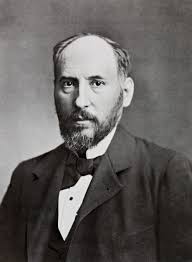
It was not until the late 19th century that we saw the beginnings of deeper understanding of not only the role of the brain but of how it might function, notably through the (dueling) work of Camillo Golgi and Santiago Ramón y Cajal. Al Jonsen has noted that many twentieth century issues and events posed issues we would today consider “neuroethics.” (Johnson) The issues seemed particularly intense in the 1960s and early 1970s, with active debates ranging from the uses of electroconvulsive therapy and frontal lobotomies; to legal and medical uses of brain death; to research with psychedelic drugs, aversion therapy, and “mind control.” 


But the nascent field calmed down again, until the rise of good neuroimaging in the 1990s, largely through magnetic resonance imaging, first structural and then functional. These took major steps toward connecting the physical brain to the intangible mind and thus linking neuroscience more directly to human society. People began to write about them for both specialized and general audiences. (Kulynych 1996, Kulynych 1997, Carter 1998, Blank 1999). And academics noticed. In 2000, based on planning begun by Paul Root Wolpe in 1998, the Bioethics Center at the University of Pennsylvania held three experts’ meetings, the first in January, the second in March, and the third in June. 


In retrospect, though, 2002 was clearly the crucial year for neuroethics. It started in January when the American Association for the Advancement of Science and the journal Neuron jointly sponsored a symposium, was called “Understanding the Neural Basis of Complex Behaviors: The Implications for Science and Society.” Then, on February 7, 2002, Penn Bioethics held a public conference on “Bioethics and the Cognitive Neuroscience Revolution” as the culmination of its three meetings in 2000. 


But the most important meeting was held on May 13 and 14 at the San Francisco Presidio. Sponsored by the Dana Foundation and jointly hosted by UCSF and Stanford, this conference, called “Neuroethics: Mapping the Field,” brought together about 150 neuroscientists, philosophers, bioethicists, lawyers, and others. The Dana Press published the conference proceedings later in 2002; the book was fascinating reading then, and remains so today. 


Santiago Ramon y Cajal, image

courtesy of Wikipedia.

Zach Hall of UCSF and Barbara Koenig of Stanford were the main organizers of the meeting. Hall was a neuroscientist, who had returned to the UCSF faculty after serving as Director of the National Institute of Neurological Disease and Stroke at NIH. Koenig was the Executive Director of the Stanford Center for Biomedical Ethics (SCBE). Koenig, a bioethicist who did not then have a deep background in neuroscience, was assisted by others at SCBE, notably Judy Illes, a neuroscience Ph.D. who had recently joined the Center. 


Hall, mainly from the neuroscience side, and Koenig, mainly from the bioethics side, organized the meeting but William Safire was its prime mover. Safire was one of the most interesting people I have ever met. (McFadden) He dropped out of Syracuse University after two years and boasted to me – probably accurately – that he was the last person in American politics to be a college dropout. From 1955 until 1968 he worked in public relations firms, his own after 1961, with occasional time out to work on Republican political campaigns. In 1968 he joined the transition team and then the Nixon White House as a special assistant with a focus on speech writing, coining, among other phrases, “the nattering nabobs of negativism” for a speech by Vice President Agnew. He left the Nixon Administration to become a political columnist for the New York Times, which he did until 2005. He remained with the Times, however, continuing to write the “On Language” column he started in the New York Times magazine in 1979 until shortly before his death from pancreatic cancer in September 2009. 


Safire’s New York Times obituary makes no mention of neuroscience or neuroethics, but his involvement was quite real. In 1993 he became a member of the Board of Directors of the Dana Foundation, a private charitable foundation created in the 1950 by Charles A. Dana, a lawyer and businessman; in 1998 he became its vice chairman and then in 2000 its chairman. As chairman Safire made neuroscience the Foundation’s almost exclusive focus. 


Hall’s welcome to start the Conference, as published in the conference proceedings, explains Safire’s role in it: 


This meeting had its genesis in a visit to San Francisco by Bill Safire about a year and a half ago, I took Bill down to the new Mission Bay campus at UCSF and we were talking about all the brain research that would be going on there, I said that we also hoped to have a bioethics center. As we were talking about the need for discussion of these issues with respect to the brain, Bill suddenly turned to me and said, neuroethics. It was like that magic moment – “plastics” in the movie The Graduate. Bill said, “neuroethics,” and I thought, “that’s it.” (Marcus) 


William Safire. (Image courtesy of Wikimedia.)

The conference had four sessions, each with a moderator and three or four speakers, several mealtime speeches, and a concluding section. The sessions were called Brain Science and Self, Brain Science and Social Policy, Ethics and the Practice of Brain Science, and Brain Science and Public Discourse. (In retrospect, and in light of my preferred scope for the field, “Brain Science” would have been a better, broader term than “Neuroscience,” but “neuroethics” and “neurolaw” both sound much better than “brain science ethics” or “brain science law.”) 


The speakers and moderators came from both neuroscience and ethics (broadly construed). Many of them were prominent at the time of the conference; many played important continuing roles in the development of neuroethics. From neuroscience came Marilyn Albert, Colin Blakemore, Antonio Damasio, Michael Gazzaniga, Steven Hyman, William Mobley, Daniel Schacter, and Kenneth Schaffner, as well as Zach Hall. Arthur Caplan, Judy Illes, Albert Jonsen, Barbara Koenig, Bernard Lo, Jonathan Moreno, Erik Parens, William Safire, William Winslade, Paul Root Wolpe, and I all spoke from ethics, law, politics, or philosophy. And at least three speakers did not fit neatly into that divide – Patricia Smith Churchland, a philosopher of the mind deeply involved in neuroscience; Donald Kennedy, a biologist and former president of Stanford who, at that time, was the editor of Science magazine; and Ron Kotulak, a science journalist. 


Like many conferences, this one claimed to want more discussion than presentations. My recollection, supported by the conference proceedings, is that, unlike most conferences, it succeeded in this goal. The general discussions between and among the speakers and the invited audience were insightful, and sometimes heated. 


Also like many conferences, this one was created in the hope that it would have some lasting impact. The most immediate consequence was the publication, with impressive speed, of the conference proceedings in July 2002, but perhaps more important was the publicity given to the idea of neuroethics. 


Two days after the conference ended, Safire used his NEW YORK TIMES column to write about

neuroethics generally and the conference. After starting the column with the Congressional debate over banning human cloning, Safire moved to the importance of neuroethics, ending with “The conference 'mapping the field' of neuroethics this week showed how eager many scientists are to grapple with the moral consequences of their research. It's up to schools and media and Congress to put it high on the public's menu.” (Safire) 


(Image courtesy of Flickr.)

The following week, the cover of THE ECONOMIST proclaimed “The Future of Mind Control” with an image of a shaved head with a dial implanted in its forehead. The issue contained both a long science story on the ethical issues arising from neuroscience and a leader (editorial) on the same subject. (The Economist) While neither ECONOMIST piece used the term “neuroethics” or mentioned the Presidio conference (and the story at least must have been in preparation well before the conference), the effect, especially in conjunction with Safire’s column, was more attention for the issues. 


But perhaps the most important result of the Presidio conference was the field’s name. Safire first used it in print in his May 2002 column, but, according to Hall, had used it with him about 18 months earlier. Although searchers have found earlier uses of the term (Illes, Racine), no one disputes that Safire was the first to use it publicly in its current sense or that he was the one who popularized it. 


It is, in some ways, a poor name for the field. Calling the area “neuroethics” risks limiting it. After all, much of the interest in ‘neuroethics” is in its legal and social implications, not just its “ethical” ones. And using “ethics” also raises a longstanding difficulty between philosophers who sometimes act as though they own the term, and bioethics. I made these arguments at the Presidio conference, but, even as I did so, conceded “I’m afraid this is a doomed argument because I don’t have a better word. ‘Neuroethics’ sounds great.” (Marcus) 


On that point at least, I was right. So tonight I’ll raise a glass to “neuroethics” and wish it “Happy birthday, and many happy returns!” And I hope the readers of this blog will join me. 


References


Rita Carter, MAPPING THE MIND (1998, Berkeley, CA: U. Calif. Press).


Robert H. Blank, BRAIN POLICY: HOW THE NEW NEUROSCIENCE WILL CHANGE OUR BRAINS AND OUR POLITICS (1999, Washington, D.C.: Georgetown Univ. Press)


The Ethics of Brain Science: Open Your Mind, THE ECONOMIST (May 23, 2002), accessed on Apr. 29, 2017 at http://www.economist.com/node/1143317.


The Future of Mind Control, THE ECONOMIST, (May 23, 2002), accessed on Apr. 29, 2017 at http://www.economist.com/node/1143583.


Judy Illes, Neuroethics in a New Era of Neuroimaging, 24 Am. J. Neurorad. 1739 (2003)


Albert R. Jonsen, Nudging toward Neuroethics: An Overview of the History and Foundations of Neuroethics in THE DEBATE ABOUT NEUROETHICS: PERSPECTIVES ON THE FIELD’S DEVELOPMENT, FOCUS, AND FUTURE (ed. Eric Racine and John Aspler, forthcoming 2017, Springer:)


Jennifer Kulynych, Brain, Mind, and Criminal Behavior: Neuroimages as Scientific Evidence, JURIMETRICS 235-244 (1996) 


Jennifer Kulynych, Psychiatric Neuroimaging Evidence: A High-Tech Crystal Ball? 49 STAN. L. REV. 1249 (1997)


Steven J. Marcus, ed., NEUROETHICS: MAPPING THE FIELD, Conference Proceedings at 4 (2002, Dana Press: New York).


Robert D. McFadden, William Safire, Political Columnist and Oracle of Language, Dies at 79, New York Times (Sept. 27, 2009), accessed on January 1, 2017 at http://www.nytimes.com/2009/09/28/us/28safire.html. (This is my source for most of the biographical information about Safire.)


Eric Racine, in PRAGMATIC NEUROETHICS (2010 MIT Press: Cambridge, Mass)


William Safire, the “But What If” Factor, NEW YORK TIMES (May 16, 2002), accessed on Apr 29, 2017 at http://www.nytimes.com/2002/05/16/opinion/the-but-what-if-factor.html.


Want to cite this post?


Greely, H. (2017). Happy 15th Birthday, Neuroethics! The Neuroethics Blog. Retrieved on , from http://www.theneuroethicsblog.com/2017/05/happy-15th-birthday-neuroethics.html

Tuesday, October 13, 2015

The Neuroethics Blog Reader hot off the presses!


It is my pleasure to present you with our first edition of The Neuroethics Blog reader. This reader includes some of the most popular posts on the site and highlights our junior talent.


While the blog showcases cutting-edge debates in neuroethics, it also serves as a mechanism for mentoring junior scholars and students and providing them with exciting opportunities to have their pieces featured alongside established scholars in the field. In addition, the blog allows for community building, inviting scholars from multiple disciplines to participate. Our contributors have included individuals at various levels of education from fields such as law, neuroscience, engineering, psychology, English, medicine, philosophy, women’s studies, and religion, to name a few. Each blog post is a collaborative process, read and edited numerous times by the editorial leadership in partnership with the author.


We aim to continue to mentor and deliver quality posts that serve to cultivate not only our neuroethics academic community, but also members of the public who may be cultivating their own interests in neuroethics. Whether for direct applications in your profession or simply to understand the world in which we live, we hope the blog will help you navigate the implications of new neurotechnologies and explore what is knowable about the human brain.


At this time, I'd like to thank our amazing editorial team including Lindsey Grubbs (Managing Editor), Carlie Hoffman (Editor of this reader), Ryan Purcell, and Katie Strong. I'd also like to highlight our previous Managing Editors Dr. Julia Haas and Julia Marshall who have since graduated and are continuing their scholarship in neuroethics, as well as Jonah Queen who was there from the very beginning. Stay tuned for more great things from this group along with all of our talented contributors.


Thank you for taking the time to embark on this journey with us and please enjoy this reader!


P.S. If you are lucky enough to find yourself at the International Neuroethics Society conference this Oct 15-16, we will have limited printed copies available. Just look for folks wearing the "Ask Me About AJOB Neuroscience" buttons.


Thursday, March 19, 2015

The Montreal Neuroethics Conference for Young Researchers 2015

The Montreal Neuroethics Conference for Young Researchers 2015 will be held in Montréal, Québec, on April 17th, 2015 at the Institut de recherches cliniques de Montréal (IRCM), Montréal, Quebec. This one-day international conference is aimed at young researchers, trainees, and students from all fields interested in neuroethics. In addition to the program on the day of the event, we are hosting an essay competition where 5 winning papers in English will be candidates for fast-tracked publication in a special issue of the journal Neuroethics and 5 winning papers in French will be candidates for fast-tracked publication in a special issue of the journal Bioéthique Online. 


Special Note from the Organizers:


"Our immediate goals in organizing this conference are to increase the visibility of neuroethics among different international student populations and to bring young researchers in neuroethics together to facilitate future collaborations. Young researchers are the future of neuroethics. We feel that a conference specifically tailored for them – no registration fee, opportunities to meet their peers and present their work, panels on hot topics in neuroethics and on career development, etc. – helps to highlight their importance and encourage future work in this field. Montreal is in an excellent position to kick off an event specifically targeted to young researchers because of the institutional support neuroethics has received here over the past several years. The IRCM’s Neuroethics Research Unit was one of the first dedicated Neuroethics Units in the world and it collaborates with Université de Montréal and McGill University to train the next generation of neuroethicists, including through the offer of neuroethics courses and graduate training."


-- Veljko Dubljevic Ph.D./D.Phil, Victoria Saigle, and Eric Racine Ph.D.,

Montreal Neuroethics Conference for Young Researchers

Local Organizing Committee


PROGRAM


8:30-9:00 Welcome


9:00-10:00 Panel: Social responsibility of neuroscience 

John Breitner, M.D. (McGill); Emily Bell, Ph.D. (IRCM); Artur Kania, Ph.D. (IRCM) 


10:00-10:15 Break (coffee)


10:15-11:15 Panel: Cognitive enhancement  

Jennifer Chandler, LL.M. (UOttawa); Alexandre Erler, Ph.D. (UdeM); Veljko Dubljevic,  Ph.D./D.Phil. (IRCM); Walter Glannon Ph.D./D.Phil. (UCalgary) 


11:15-12:30 Poster session & lunch


12:30-1:30 Roundtable: How to be successful in your early Neuroethics career   

Eric Racine, Ph.D. (IRCM), Tommaso Bruni, Ph.D. (UWestern), Lucie Wade, M.Sc. (McGill/JGH), Jaime Flamenbaum, M.D. (CIHR) 


1:30-1:45 Break (coffee)


1:45-2:45 Oral presentations of essay winners


2:45-3:00 Break (coffee)


3:00-3:30 Keynote: The Neurobiology of Morality, James Blair, Ph.D. (NIH) 


3:30-4:00 Awards Ceremony and Closing Statement


 For more information, click here.


Local Organizing Committee


Tuesday, March 3, 2015

Diversity in Neuroethics: it’s more important than you might think

By Nicholas Fitz and Roland Nadler**


Nicholas Fitz

Nick is a Graduate Research Assistant at the National Core for Neuroethics at the University of British Columbia. 


Roland is a third-year J.D. student at Stanford Law School and previously worked as a Graduate Research Assistant at the National Core for Neuroethics at the University of British Columbia.


**equal contribution


Roland Nadler

The second decade of neuroethics is now well underway. Much like the human brain itself, some of its developmental “critical periods” have run out, but many others remain open. How will we use these remaining opportunities to shape the field?


Junior participants in these spaces should take the initiative to engage with unresolved questions about the nature and structure of neuroethics as a discipline. After all, those of us at the beginning of our careers have a particularly significant stake in the answers to those questions, with most of our academic and professional lives still ahead of us. As we work to integrate society’s growing technological power with best ethical practices and societal values, we must ask: whose practices, whose values?


Last year, in a bid to foster this discussion, we offered three visions for diversity in neuroethics. In that article, we devoted much attention to diversity along intellectual, disciplinary, and political lines.


Today, we offer a few more thoughts on the importance of diversity in neuroethics in the more familiar sense of having a wide array of identities and backgrounds represented in the field.


Chiefly, we hope to convince you that robust identity diversity is beneficial — indeed, crucial — to neuroethics. The field simply could not provide the kinds of insights that it promises if its practitioners were a homogenous group of people speaking comfortably from positions of social power and privilege.


To be sure, neuroethics is off to a strong start in establishing itself as a diverse field. The successes of Neuroethics Women Leaders, especially well-represented at this year’s Society meeting, deserve special recognition in this regard. While there is always room for improvement, we can be glad that neuroethics is not especially male-dominated as disciplines go.


Our purpose in this post, then, is not to allege that neuroethics is insufficiently diverse — though we should and surely can do better. Our aim, rather, is to highlight that our existing levels of diversity are not merely tangential goods. Heterogeneity is in no way incidental to the field’s ability to carry out its job effectively — much less mere window dressing, a matter of appearances.


Much more than simply insulating the discipline from charges of being exclusionary, diversity positively contributes to the mission of neuroethics. Its contribution can be understood in two senses: a generating sense and an inoculating sense.


Bringing a wide variety of personal experiences and worldviews — along the axes of race, gender, socioeconomic status, (dis)ability, and more — to bear on neuroethics acts as a generator for novel perspectives. If neuroethics is to help steer the responsible use of emerging technology and knowledge, it must acknowledge the ways in which that project touches on bias (from implicit identity biases to larger structural inequalities) and on the heterogeneity of lived experience. And it needs a maximally broad pool of perspectives to draw its critiques from: if that pool lacks, for example, the perspective of transgender people, we may go a long time without realizing how our conversations about the relationship between personal identity and the brain skate blithely over flawed assumptions about gender.


Concretely, then, those at the field’s power centers must reach out in support of investigators from a variety of backgrounds. There is much wisdom to be found in a diverse crowd.


From Phillips, 2014


Meanwhile, one of the greatest pitfalls for any meta-scientific discourse is the tendency to interpret seemingly neutral or objective facts in ways that serve established ideologies. This risk is heightened even more when the science under discussion has some claim to dealing with the “essence” or fundamental nature of human beings — as the history of research on race and IQ so chillingly reminds us. Diversity in the ranks of neuroethics helps inoculate us against this threat. Ideology has a characteristic way of quietly infecting the way we talk about “the big questions,” and bringing people who are ordinarily pushed to the edges of the discourse into the conversational spotlight is the first step towards immunity.


As we know all too well from recent work on biological essentialism, stereotyping, and the seductive allure of neuroscientific explanations, contemporary neuroscience does not operate in a vacuum, but rather can reinforce social categories. The fact that neuroscience is science — not pseudoscience like its predecessors, craniometry and phrenology — affords little defense against its potential to serve such unacknowledged agendas. As the late Stephen Jay Gould put it, “Shall we believe that science is different today simply because we share the cultural context of most practicing scientists and mistake its influence for objective truth?” By fostering a mosaic community of practicing neuroethicists, the field can help protect itself — and society — from these side effects of neuroessentialism.


Indeed, neuroethicists are especially well-situated to understand the value of diversity. Given that the literature on the causes and consequences of biased and motivated reasoning is an essential point of departure for neuroethical investigation, those in the field already have access to tools and techniques that reduce these biases. But we still have work left to do.


Our next step is to brainstorm ways to collectively wield these tools, and to do so effectively and responsibly. As we further diversify the field, we have a responsibility to convince rather than foist, and to seek grassroots engagement rather than tokenize. Having lent our voices in this call to action, the two of us writing here — hardly embodiments of the diversity we are extolling, after all — ought to step back and open up the space for underrepresented neuroethicists to helm the conversation. We hope our readers will join us in helping this happen!


Want to cite this post?


Fitz, N. and Nadler R. (2015). Diversity in Neuroethics: it’s more important than you might think. The Neuroethics Blog. Retrieved on , from http://www.theneuroethicsblog.com/2015/02/diversity-in-neuroethics-its-more.html

Tuesday, September 16, 2014

Teaching Tactics - Neuroethics in the Curriculum

I made and abandoned several
attempts at an opening sentence for this post and all of them included a deft
way to bury the lead. The lead is this: I’m thrilled for two of my students
whose video, Empathy and your Brain, was selected as one of the top submissions to the 2014 Brain Awareness Video
Contest
. Their video
now has the chance to be selected as the fan favorite in the People’s Choice
contest.


But why was I burying it?


I suppose I’ve become
accustomed to integrating Neuroethics content and dialogue in courses that I teach,
sometimes as part of the formal curriculum, but more often as implicit or hidden curriculum. Since Neuroethics courses
are still not yet standard fare in most academic institutions, I generally
don’t have an opportunity to explicitly
test out some of the currently evolving creative techniques in Neuroethics education
like those featured on NeuroethicsWomen Leaders teaching resources page. Instead, I often work the ideas and concepts into
other more general courses. The examples and cases I select in Research Design
courses, Introduction to Psychology and even Statistics courses, usually have
some Neuroethics content, and I’ve assigned readings from AJOB Neuroscience and this blog as entry points to discuss topics in Neuroethics
and Neuroscience. From controversial to practical or current and topical, I’m
constantly seeking ways to engage a wide variety of students  in the course material. The dynamic nature and
novelty of the issues addressed in Neuroethics provide fertile ground for
discussion, engagement and the development of critical thinking and problem-solving
skills.


Student-Designed Teaching Ideas -  Candy Synapse


Student-Designed Teaching Ideas - Neuroanatomy


Ann and Kat’s video was
submitted as a final project in the undergraduate Biopsychology course I taught
at Georgia Gwinnett College in the spring semester 2014. For the final project,
students were given the choice to write a research proposal or develop and
produce a short educational video for an audience of their choosing. As I
always do, I encouraged the students to submit their final project to the Brain
Awareness Video Contest. I’m thrilled
that they accepted my challenge and their video now qualifies for the people’s
choice contest. I would be tickled if they won the $500 cash prize for fan
favorite video, but if I am to be completely honest, I’ll admit that I’m
equally thrilled that Empathy, ripe with its Neuroethics implications was
their topic of choice for not only this video, but for their independent
research projects. Voting is open from September 9 to September 30 at http://www.brainfacts.org/bavc.


Ann Gillman and Kat Kelkenberg, creators of the video


Want to cite this post?


Hue, G. (2014). Teaching Tactics - Neuroethics in the Curriculum. The Neuroethics Blog. Retrieved on , from http://www.theneuroethicsblog.com/2014/09/teaching-tactics-neuroethics-in.html

Tuesday, April 22, 2014

Why People's Beliefs about Free Will Matter: Introducing the Free Will Inventory

*Editor's note: Jason Shepard was one of Emory Neuroethics Program's inaugural graduate Neuroethics Scholars. His co-authored manuscript mentioned below is related to his Scholar's project.


Recently, the question of whether our notions of free will, along with whether our responsibility-holding practices that appear to be based on free will, can survive in light of discoveries from the behavioral and brain sciences was named as one of the Top Ten Philosophical Issues of the 21st Century. The interest in free will and how discoveries in neuroscience and psychology affect our beliefs and attitudes about free will extends well beyond the halls of philosophy departments. The topic has also attracted a lot of interest from neuroscientists, biologists, and psychologists [1]. And, of course, these very debates are of central interest to neuroethicists. The wide range of interests in these debates is a symptom of the fact that these debates matter: The debate over what people believe about free will and how discoveries in the behavioral and brain sciences might impact these beliefs matter for a wide range of theoretical, and perhaps more importantly, practical reasons. Much of the empirical research in this area also points to the need for a valid and reliable tool for measuring people’s beliefs about free will. Below, I touch on some of the reasons why people’s belief in free will matters, and I introduce a new tool for measuring beliefs about free will, the Free Will Inventory, which was published in this month’s issue of Consciousness and Cognition [2].


The free will inventory is available in this month's issue of Consciousness and Cognition.


Whether people believe in free will matters. People’s beliefs in free will impact their behaviors. For example, experimental studies have shown that telling people they don’t have free will increases cheating and stealing, decreases prosocial behaviors and increases aggression, increases conformity, reduces self-control, and impairs the detection of errors. Other studies have shown that belief in free will is positively correlated with job performance of day laborers, and belief in free will is positively related to expectations of future occupational success in college students. These findings suggest that believing in free will may be instrumentally valuable from the standpoints of positive psychology and public morality[3].


These recent findings also highlight the importance of having valid and reliable tools for measuring beliefs in free will and related constructs. While the gathering data suggests that diminishing people’s belief in free will leads to all kinds of changes in behavior, the validity of these findings depends in part on the validity and reliability of the scales used to measure people’s beliefs about free will and related constructs. For example, the paradigms used in most of the above-mentioned experimental research involve one group of participants reading an anti-free will passage or reading a series of anti-free will statements. However, the anti-free will primes used in these experiments make claims that go beyond simple claims regarding the existence of free will. For example, some of the anti-free will statements also make claims that support belief in determinism (the view that the state of a system, plus the laws that govern that system, specify all subsequent states of the system) and challenge beliefs in dualism (the view that the mind and body are separate entities). It remains an open question whether these changes in behavior are best explained by changes in beliefs in free will, by changes in beliefs in determinism, by changes in believes in dualism, or some combination of changes in beliefs.


The ability to tease apart these explanations depends, in large part, on having psychometric tools that have the precision and specificity necessary to accurately measure beliefs in free will and related constructs such as determinism and dualism. While psychometric tools for measuring beliefs in free will and determinism exist, these tools are not without their problems. For example, many of the existing tools simply assume that free will and determinism are incompatible with each other, and, worse yet, often define free will and determinism as polar opposites of each other. Such an assumption rules out by fiat the ability of people to express a pattern of beliefs that is compatible with the philosophically rich tradition known as compatibilism, or the view that free will and determinism are compatible. As it turns out, this is an important mistake. There is accumulating evidence that compatibilist intuitions are more widespread than philosophers and psychologists have traditionally assumed [4]. In other words, many of the previous psychometric tools for measuring beliefs about free will not only rule out the ability for people to express agreement with a theoretically rich philosophical position but also rule out the ability to express patterns of beliefs that may actually be common among non-philosophers (i.e. most of society)! Though some more recent psychometric tools for measuring beliefs in free will avoid this mistake, these more recent tools still fail to measure these constructs in a way that is useful for all stakeholders in these debates. For example, the ways these constructs are defined and measured often appear theoretically uninteresting (if not theoretically confused) from the philosopher’s point of view. Furthermore, these tools often have just-barely acceptable psychometric properties from the psychologist’s point of view, which again points to the possibility of problems of definition and measurement. Furthermore, none of the existing measures measure people’s beliefs in dualism, which is itself an important construct that is often claimed to be relevant for how people think about free will [e.g., 5].


The Chronicle of Higher Education (top) recently featured a multi-disciplinary discussion on how the brain and behavioral sciences might inform the free will debate. Walter Sinnott-Armstrong's recently released Moral Psychology, Vol. 4 provides a thorough sampling of some of the best thinking on the topic of how the brain and behavioral science might inform the free will debate.


What people believe about free will matters. Whether discoveries in science challenge the existence of free will depends a great deal on what we believe about free will. For example, if we believe that free will requires human behavior to be unpredictable in principle, and if discoveries in science provide evidence that all behavior is in principle fully predictable, then these discoveries would challenge the existence of free will … or would at least challenge the existence of the sort of free will that we believe in. However, if we didn’t believe that free will requires unpredictability in principle, then these sorts of discoveries would be irrelevant to the free will debate … or would at least be irrelevant to our beliefs about free will. In other words, determining what sorts of discoveries are relevant to free will depends a lot on what people believe about free will.


Unfortunately, the existing psychometric tools for free will beliefs primarily measure the extent to which people believe in free will. These tools provide very little insight into what people believe about free will. In other words, these tools can tell you whether someone believes in free will a little, a lot, or not at all; but these tools cannot tell you whether free will requires unpredictability or dualism or the ability to act outside the laws of nature. And this is an important oversight. We need tools that not only measure how much people believe in free will, but we also need tools that measure what people believe about free will.


Given the importance of having a good measurement tool that is useful to a wide range of stakeholders in the debate, a diverse research team that was comprised of philosophers and psychologists, compatibilists and incompatibilists recently set out to develop a new psychometric tool for measuring beliefs in free will and related constructs. This team was led by the philosopher Thomas Nadelhoffer and included myself, Eddy Nahmias, Chandra Sripada, and Lisa Ross. The new tool, The Free Will Inventory (FWI), was published in this month’s issue of Consciousness and Cognition. The FWI consists of two parts. The first part consists of three subscales: one that measures belief in free will, one that measures belief in determinism, and one that measures beliefs in dualism. While part 1 of the FWI measures people’s beliefs in free will, determinism, and dualism, part 2 measures people’s beliefs about free will and these related concepts (e.g., does free will depend on being unpredictable, on having an immaterial soul, on being able to act at least partially independent of the laws of nature).


While no psychometric tool is perfect, we hope we have developed a tool that avoids some of the problems that plagued the earlier tools and that is of interest to a wider range of stakeholders in the debate, from the psychologist to the philosopher, from the neuroscientist to the neuroethicist, and to anyone else who is interested in rigorously exploring people’s beliefs in and about free will.


References:


[1] For recent, accessible multi-disciplinary discussion of how the brain and behavior sciences might inform the free will debate, see the Chronicle of Higher Education special series on "Is Free Will an illusion". For a thorough introduction to some of the best thinking on the topic, see: Sinnott-Armstrong, W. (2014). Moral Psychology, Vol. 4: Free Will and Moral Responsibility. Cambridge, MA: MIT Press.


[2] Nadelhoffer, T., Shepard, J., Nahmias, E., Sripada, C., & Ross, L.T. (2014). The free will inventory: Measuring beliefs about agency and responsibility. Consciousness and Cognition, 25, 27-41.


[3] For recent reviews, see: Baumeister, R.F., & Brewer, L.E. (2012). Believing versus disbelieving in free will: Correlated and consequences. Social and Personality Psychology Compass, 6, 736-745. and Rigoni, D. & Brass, M. (2014). From intentions to neurons: Social and neural consequences of disbelieving in free will. Topoi, 33, 5-12.


[4] A review of much of this research is discussed in the introduction of the paper on the FWI. See: Nadelhoffer, T., Shepard, J., Nahmias, E., Sripada, C., & Ross, L.T. (2014). The free will inventory: Measuring beliefs about agency and responsibility. Consciousness and Cognition, 25, 27-41.


[5] Montague, P.R. (2008). Free will. Current Biology, 18, 584-585.


Want to cite this post?


Shepard, J. (2014). Why people's beliefs in free will matter: Introducing the Free Will Inventory. The Neuroethics Blog. Retrieved on , from http://www.theneuroethicsblog.com/2014/04/why-peoples-beliefs-about-free-will.html