Pages

Tuesday, February 20, 2018

One Track Moral Enhancement


By Nada Gligorov


Nada Gligorov is an associate professor in the Bioethics Program of the Icahn School of Medicine at Mount Sinai. She is also faculty for the Clarkson University-Icahn School of Medicine Bioethics Masters Program. The primary focus of Nada’s scholarly work is the examination of the interaction between commonsense and scientific theories. Most recently, she authored of a monograph titled Neuroethics and the Scientific Revision of Common Sense (Studies in Brain and Mind, Springer). In 2014, Nada founded the Working Papers in Ethics and Moral Psychology speaker series–a working group where speakers are invited to present well-developed, as yet unpublished work.


Within the debate on neuroenhancement, cognitive and moral enhancements have been discussed as two different kinds of improvements achievable by different biomedical means. Pharmacological means that improve memory, attention, decision-making, or wakefulness have been accorded the status of “cognitive enhancers,” while attempts to improve empathy or diminish aggression have been categorized as “moral enhancements.” According to Ingmar Persson and Julian Savulescu (2008; 2012), cognitive enhancement could outstrip our natural abilities to improve commonsense morality. The view of commonsense morality as static motivates Persson and Savulescu (2008) to establish two distinct tracts of enhancement and to argue that cognitive enhancement needs to be coupled with moral enhancement to prevent the negative impact of rapid scientific progress that might be precipitated by the use of cognitive enhancers. To argue that cognitive enhancement might lead to improvements both in science and in commonsense morality, I will propose that commonsense morality is a folk theory with features similar to a scientific theory.


Persson and Savulescu describe commonsense morality in the following manner:


“By ‘common-sense morality’ we mean a set of moral attitudes that is a common denominator of the diversely specified moralities of human societies over the world. We take it that the explanation of why there is a set of moral attitudes that is a common feature of culturally diverse moralities is that it has its origin in our evolutionary history” (Persson and Savulescu 2012, 12)."


To redefine commonsense morality as a folk theory, I will utilize some established views about commonsense psychology and then apply them to commonsense morality. Commonsense psychology can be understood as an empirically evaluable folk-psychological theory that seeks to predict and explain human behavior by attributing psychological states, such as beliefs, desires, and sensations, to individuals (Sellars 1977; Churchland 1992). Commonsense psychology is a folk psychology (FP), with all the features of a scientific psychology. Just like a scientific theory, FP introduces unseen entities or processes to explain and predict observable phenomena. For example, FP introduces psychological states, which are not directly observable, to account for overt behavior. Additionally, similar to a scientific theory, FP explains and predicts human behavior by specifying law-like relations between psychological states, external stimuli, and overt behavior (Churchland 1992).


Image courtesy of Pixabay.

For example: Alex believes that the dog will stop barking if she gives him a treat, so she reaches for a treat and places it in front of the dog. Here Alex perceives a bothersome auditory stimulus, which causes her to believe that the dog will be assuaged by the treat; this explains why she reaches for the treat and puts it in front of the barking dog. In everyday life, we often use similar psychological explanations to describe the behavior of those around us and we can draw the boundaries of our current folk psychology by collecting commonly used and universally accepted psychological statements that feature psychological concepts, such as ‘belief,’ ‘desire,’ and ‘sensation’ (Lewis 1972; Stich 1996). This collection contains both the law-like generalization of FP and the definitions of folk-psychological concepts.


A consequence of this characterization of commonsense psychology is that our shared dispositions to predict and explain overt behavior by ascribing psychological states to others is the outcome of adopting folk psychology. Given that both our observations of people’s behavior and our habit of attributing psychological states are theory-laden, to change them, we need changes in our background theory. In fact, proponents of the view that commonsense psychology is an empirically evaluable theory often argue that it is false, and they make the prediction that FP will eventually be replaced by a neuroscientific theory that does not utilize psychological states at all (Churchland 1992). This change would affect how we observe and describe human behavior; instead of attributing beliefs and desires to people, we would explain their behavior as being caused by neurological processes.


There are a number of ways in which I see this view of commonsense psychology applying to commonsense morality. It is possible to characterize commonsense morality as a tacitly endorsed theory, i.e., a folk morality (FM). Persson and Savulescu offer a way of demarcating commonsense morality as a common feature of culturally diverse moralities, which is similar to the method of identifying the boundaries of FP by collecting commonly known psychological explanations. To identify FM, we would collect generally accepted moral statements that feature moral concepts. To circumscribe the concept of justice, for example, we would identify commonly accepted generalizations that feature the term ‘justice,’ say to describe an individual’s behavior as just, or to describe a punishment as just, or to categorize a certain allocation of resources as just, and so forth. This collection would yield the folk theory of justice, which forms the basis for the concept of justice we use in everyday life. The scope of other folk moral concepts, such as the notions of rights or moral responsibility, could be identified in similar ways.


Image courtesy of Pixabay.

By adopting a folk concept of justice, we become able to make judgments about whether something falls under that concept. We become able to observe certain actions or even certain individuals as conforming to the folk concept of justice. For example, we interpret a person giving money to a homeless individual as just. We perceive certain events, such as an older lady being mugged, as unjust. Familiarity with the concept of justice supports our ability to appraise a situation and to feel appropriate emotions. For example, thinking that you are witnessing a theft, a young man snatching an elderly woman’s bag, will provoke anger; but realizing that the young man was only taking back what was his from the old lady, who stole his bag hours earlier, will change anger to a more positive emotion. Going back to Persson and Savulescu’s characterization of commonsense morality as a set of psychological dispositions, I would argue that instead of those dispositions being the basis of our commonsense morality, they are the result of the tacit endorsement of a folk morality.


As folk psychology could be revised and in principle replaced by a better theory, so could our current folk morality be revised and replaced. Furthermore, just like changes in folk psychology would lead to changes in how we explain and predict human behavior, changes in folk morality would lead to changes in our moral attitudes and judgments. This would run counter to the conclusion by Persson and Savulescu (2012) that our commonsense morality is in principle static and that it is not able to adjust to changes in the world caused by rapid scientific development.


Persson and Savulescu think moral attitudes are static because they maintain that commonsense morality is rooted in and limited by biology. This does not distinguish the ability to be moral from any other abilities, including cognitive abilities, which are also the product of our biology. Even if commonsense morality is limited by biology, this does not undermine the argument that it constitutes a folk theory. Again, I will draw a parallel between folk psychology and folk morality. There are those who accept that FP is a theory, but because they think it is innate, they argue that it cannot be replaced by a more suitable psychology (Fodor 1975; Carruthers 1996). So even if we assume that we have a biological or evolutionary predisposition to develop a particular type of folk morality, it is still possible to maintain that this type of morality is a theory. The question of whether commonsense morality can be revised is distinct from whether it is a theory.


Adopting the view that commonsense morality is a theory, however, can lead to an answer about how to promote changes in FM. If folk morality has the same features as a scientific theory, then cognitive enhancers that would lead to advancements in scientific theories would also lead to changes in folk morality. Additionally, if commonsense morality is limited by biology, as Persson and Savulescu argue, neuroenhancement might be required to extend those biological limits. Redefining commonsense morality as a folk theory would remove the need for two separate tracks of enhancement, one moral and one cognitive because if improvements in cognitive processes such as attention, learning, and memory improve our abilities to generate adequate theories in science, they would have those same effects on our abilities to generate moral theories.


References


1. Carruthers, P. (1996). Language thought and Consciousness. Cambridge: Cambridge University Press.


2. Churchland, P. M. (1992). A neurocomputational perspective: The nature of mind and the structure of science. Cambridge, MA: MIT Press. Fodor, J. (1975.) The language of thought. New York: Thomas Cromwell


3. Lewis, D. (1972). Psychophysical and theoretical identifications. Australasian Journal of Philosophy, 50 (3), 207–215; Stich, S. (1996). Deconstructing the mind. Oxford: Oxford University Press.


4. Persson, I. & Savulescu, J. (2008). The Perils of Cognitive Enhancement and the Urgent Imperative to Enhance the Moral Character of Humanity. Journal of Applied Philosophy, 25(3): 162-177


5. Persson, I. & Savulescu, J. (2012). Unfit for the Future: The Need for Moral Enhancement. Oxford University Press.


6. Sellars, W. (1977, 1997 ed.). Empiricism and the philosophy of mind. Cambridge, MA: Harvard University Press. 2


Want to cite this post?


Gligorov, N. (2018). One Track Moral Enhancement. The Neuroethics Blog. Retrieved on , from http://www.theneuroethicsblog.com/2018/02/one-track-moral-enhancement.html

Tuesday, February 13, 2018

International Neuroethics Society Annual Meeting Summary: Ethics of Neuroscience and Neurotechnology


By Ian Stevens


Ian is a 4th year undergraduate student at Northern Arizona University. He is majoring in Biomedical Sciences with minors in Psychological Sciences and Philosophy to pursue interdisciplinary research on how medicine, neuroscience, and philosophy connect. 


At the 2017 International Neuroethics Society Annual Meeting, an array of neuroscientists, physicians, philosophers, and lawyers gathered to discuss the ethical implications of neuroscientific research in addiction, neurotechnology, and the judicial system. A panel consisting of Dr. Frederic Gilbert with the University of Washington, Dr. Merlin Bittlinger, with the Universitätsmedizin Berlin – Charité, and Dr. Anna Wexler with the University of Pennsylvania presented their research on the ethics of neurotechnologies.


Dr. Gilbert discussed the cultivation and development of neurotechnologies that use artificial intelligence (AI) to operate brain-computer interfaces (BCI), such as the implanted seizure advisory system, which is implanted invasively into the brain for the treatment of drug-resistant epilepsy (1). He provided three main reasons for the ethical examination of such developing neurotechnologies. The first is that these devices could provide “neuro-signatures” that could aid in the detection of addiction and sexual urges. These issues could challenge our notions of privacy and autonomy, concerns that are being explored with other technologies (2, 3). Secondly these devices, as other similar invasive neurotechnologies, have been shown to cause or be associated with personality changes and because of this we need to understand how these technologies might affect a patient’s notion of self and identity (4). It seems concerning to enter a treatment as a certain person but leave as another. How the risks and benefits of treatment are balanced when a patient prior to surgery might not be the same afterwards challenges conventional standards of risk and benefit. Finally, the field of AI with BCIs is a very ambiguous one with the pace of developing predictive brain implants exceeding our understandings of how they will affect us (5).


Expanding on his second justification, Dr. Gilbert discussed his research on ways these artificially intelligent devices can alter subjects’ perception of themselves. He used qualitative data from interviews to assess the concern that BCIs alter personalities and shared two stories of a 52-year-old woman receiving an AI BCI for epilepsy and a younger female student also being treated for epilepsy with an AI BCI (6). The 52-year-old woman stated that, because of the implanted AI device, she felt like she could do anything, and nothing could stop her (AI BCI induced postoperative distorted perception of capacities).


An open brain-computer interface (BCI) board.

(Image courtesy of Wikimedia.)

This contrasted with the student who experienced postoperative symptoms of depression because she felt the AI device forced her to confront the fact that she was epileptic (AI BCI induced drastic rupture in identity leading to iatrogenic harms). These dialogues have lead Dr. Gilbert to argue for a distinction between restorative and deteriorative personality changes associated with BCIs (what he calls “self-estrangement”) (7).


This distinction is initially helpful for two possible reasons. One, it assists in confirming that a patient’s sense of identity can change in reference to the AI BCI they are treated with, but also that there are certain kinds of patients who are incompatible with being treated with BCIs. Like pharmacological treatments for mental health, some patients might not benefit from the deleterious identify changes associated with their AI BCI treatment. So, in conclusion, Dr. Gilbert advised that those who are not accepting of their neurologic disease should not undergo AI BCI treatment out of concern for the device having a destructive change in their core personality.


Dr. Bittlinger, whose current work focuses on the ethical, legal, and social aspects of psychiatric neurosurgery, presented his research on the ethical evaluation of innovative research involving unknown risk by using the example of deep brain stimulation (DBS) in Alzheimer’s Disease (AD). Dr. Bittlinger emphasized how much of a global burden AD is, with no cure within sight. With only a few drugs available for treating the symptoms of AD, there is an obvious need for innovative research. He said that using DBS as an innovative, or currently unconventional, treatment should be examined ethically before we proceed down the road to other treatment options. To support this, Dr. Bittlinger quoted the Declaration of Helsinki (8) and its sentiments on the need for the patients to be autonomous beings and the importance of consent in research. The notion that the risks undertaken by patients should be low and minimal is not addressed, however, and DBS is in the highest risk class of treatments being explored for AD because of its invasive nature. The Declaration of Helsinki points to this importance, stating “individuals must not be included in a research study that has no likelihood of benefit for them unless it is intended to promote the health of the group represented by the potential subject, the research cannot instead be performed with persons capable of providing informed consent, and the research entails only minimal risk and minimal burden” (9). While all treatments in clinical trials strive for this, the innovative nature of DBS for AD possess large risks for unknown benefits. While AD can be debilitating to the patient, the risk associated with invasive implantation may be too great. Because of this and the fact that clinical trials include possibly un-autonomous decision-makers (the Alzheimer’s populous), Dr. Bittlinger stressed the need for further evidence of DBS efficacy in the long-term.


Image courtesy of Pixabay.

Dr. Bittlinger’s take home message was that “neuroethicists should encourage researchers to see methodological rigor not only as a liability but as an asset.” He is advocating for a form of methodological beneficence. While trials might normally look to cause minimal maleficence, questioning the implicit structure of research to be ethical could provide benefits in the realms of research with the highest risk. After an extensive literature review, Dr. Bittlinger made the important distinction between studies with no unknown risk compared to those with no knowledge of unknown risks (10). This uncertainty of the unknowns is the basis for Dr. Bittlinger’s question of exactly how much pre-clinical data is required to justify clinical interventions with DBS for Alzheimer’s disease. In line with this methodological beneficence and using probability models, Dr. Bittlinger finished off his talk when he stressed the need for neuroscientists to prioritize confirmatory clinical trials over exploratory ones in early stages of research.


Finally, Dr. Wexler presented on the use of brain stimulation in a variety of health and wellness clinics around the United States. Her work focused on the use of tDCS (transcranial direct current stimulation) and how the current studies on the subject have suggested its effectiveness in treating depression, chronic pain, and cognitive enhancement (though there is still debate in the literature about the efficacy of tDCS). She also noted that there is a larger presence of tDCS use in the DIY (Do It Yourself) community, where people fashion their own devices with batteries and sponges; however, it has been more common for tDCS products to be obtained as consumer products (11). Her fascination with the field came from the fact that two groups use these devices: researchers (a very controlled setting) and average consumers (a very uncontrolled setting). However, what struck her was the fact that a third group of people, clinicians, were also using tDCS devices as a means of treatment for their patients (a semi-controlled setting). This semi-controlled setting was curious to Dr. Wexler since it was fraught with ethical concerns distinct from the well-known DIY concerns, and the possible off-label use of tDCS in such a setting.


The semi-structured environment of the clinic presents a clinical bioethical inquiry. How should these devices be regulated and how should they be understood as treatment options? Should they only be approved as a clinical treatment for disease, or perhaps as an off-label procedure to enhance?


Image courtesy of Pexels.

She defined an off-label use as a device or drug used for an intention other than it was approved and referenced using Trazadone, a drug used to treat depression, for alcohol dependency as an example (12). She then went on to discuss the open-ended semi-structured interviews she conducted with health care providers that offered tDCS services. Although the analyses are still underway, she shared some insights she has had so far; namely tDCS use has been tied to complementary and alternative medicine, the pricing of using such devices varies by provider, and the treatment focused on depression, anxiety, and ADD. Out of the practitioners, some thought that tDCS was FDA approved (when in fact it was not), and overall those using tDCS came from people possessing an MD, Ph.D. or no clinical background. Regardless of the legal distinctions between the regulation of the sale of tDCS devices or the use of them, the ethical questions she left us with are pressing ones. Should these devices be allowed to be used in clinics without supporting research?


The developing neurotechnologies are broad in their application, but there are common threads of ethical reflection that Dr. Gilbert, Dr. Bittlinger, and Dr. Wexler have highlighted. As with all new treatment options, our outlook as scientists, philosophers, lawyers, and ethicists should be critical, although not pessimistic. Neurotechnologies look to be great treatment options for many chronic neurological problems; however, the side-effects, and therefore the risk and benefit trade-offs are unknown. The “how” question of connecting the human brain with technology has been solved on some levels; however, what this connection ethically means still needs to be unraveled.


References


1. Mark J. Cook et al., “Prediction of Seizure Likelihood with a Long-Term, Implanted Seizure Advisory System in Patients with Drug-Resistant Epilepsy: A First-in-Man Study,” The Lancet. Neurology 12, no. 6 (June 2013): 563–71, https://doi.org/10.1016/S1474-4422(13)70075-9.


2. Tamara Denning, Yoky Matsuoka, and Tadayoshi Kohno, “Neurosecurity: Security and Privacy for Neural Devices,” Neurosurgical Focus 27, no. 1 (July 1, 2009): E7, https://doi.org/10.3171/2009.4.FOCUS0985.


3. Frederic Gilbert, “A Threat to Autonomy? The Intrusion of Predictive Brain Implants,” Ajob Neuroscience 6, no. 4 (October 2, 2015): 4–11, https://doi.org/10.1080/21507740.2015.1076087.


4. Frederic Gilbert et al., “I Miss Being Me: Phenomenological Effects of Deep Brain Stimulation,” AJOB Neuroscience 8, no. 2 (April 3, 2017): 96–109, https://doi.org/10.1080/21507740.2017.1320319.


5, 6, 7. Frederic. Gilbert et al., “Embodiment and Estrangement: Results from a First-in-Human ‘Intelligent BCI’ Trial,” Science and Engineering Ethics, 2017, https://doi.org/10.1007/s11948-017-0001-5.


8. “WMA - The World Medical Association-WMA Declaration of Helsinki – Ethical Principles for Medical Research Involving Human Subjects,” accessed December 28, 2017, https://www.wma.net/policies-post/wma-declaration-of-helsinki-ethical-principles-for-medical-research-involving-human-subjects/.


9. “WMA - The World Medical Association-WMA Declaration of Helsinki – Ethical Principles for Medical Research Involving Human Subjects.”


10. John Noel M. Viaña, Merlin Bittlinger, and Frederic Gilbert, “Ethical Considerations for Deep Brain Stimulation Trials in Patients with Early-Onset Alzheimer’s Disease,” Journal of Alzheimer’s Disease: JAD 58, no. 2 (2017): 289–301, https://doi.org/10.3233/JAD-161073.


11. Anna Wexler, “The Social Context of ‘Do-It-Yourself’ Brain Stimulation: Neurohackers, Biohackers, and Lifehackers,” Frontiers in Human Neuroscience 11 (2017), https://doi.org/10.3389/fnhum.2017.00224.


12. Letizia Bossini et al., “Off-Label Uses of Trazodone: A Review,” Expert Opinion on Pharmacotherapy 13, no. 12 (August 2012): 1707–17, https://doi.org/10.1517/14656566.2012.699523.


Want to cite this post?


Stevens, I. (2018). International Neuroethics Society Annual Meeting Summary: Ethics of Neuroscience and Neurotechnology. The Neuroethics Blog. Retrieved on , from http://www.theneuroethicsblog.com/2018/02/international-neuroethics-society_10.html

Tuesday, February 6, 2018

The Anniversary of the First Neuroethics Conference (No, Not That One)


By Jonathan D. Moreno


Jonathan D. Moreno is the David and Lyn Silfen University Professor at the University of Pennsylvania where he is a Penn Integrates Knowledge (PIK) professor. At Penn he is also Professor of Medical Ethics and Health Policy, of History and Sociology of Science, and of Philosophy.  His latest book is Impromptu Man: J.L. Moreno and the Origins of Psychodrama, Encounter Culture, and the Social Network (2014), which Amazon called a “#1 hot new release.”  Among his previous books are The Body Politic, which was named a Best Book of 2011 by Kirkus Reviews, Mind Wars (2012), and Undue Risk (2000).


The 15th anniversary of what is widely viewed as the first neuroethics conference, “Neuroethics: Mapping the Field” was celebrated in 2017. The meeting was held in San Francisco, organized by the University of California and Stanford, and sponsored by the Dana Foundation. Cerebrum, the journal that is published by the foundation, celebrated the anniversary by publishing short memoirs by some of the speakers, including my own. The feature was dubbed “The First Neuroethics Meeting.”


Except that it wasn’t. The first conference that was recognizably about neuroethics was held in Washington, D.C. under the auspices of a conservative think tank, and its 20th anniversary is in 2018. 


It does seem that the 2002 meeting was the first one to use the term neuroethics in its title. With the support of Dana’s president, William Safire, the program brought together many of those who are still leaders in the field. But the earlier one, sponsored by a Washington, D.C. think tank, the Ethics and Public Policy Center and held at the National Press Club, also featured some of those who are still prominent. They included Harvard’s Steven Hyman, later to be the first president of the International Neuroethics Society, Adrian Raine who was then at the University of Southern California, and the present author. But those we might today consider the usual suspects were in the minority. 


And this is where it gets interesting. 


William Bennett, former Director of the

Office of National Drug Control Policy.

(Image courtesy of Wikimedia.)

Called “Neuroscience and the Human Spirit: Meeting the Challenges of Contemporary Brain Research,” the 1998 conference also featured some speakers who were prominent for other reasons, including Charles Krauthammer, William Bennett and Fred Goodwin. Krauthammer was and remains an influential political commentator. Bennett was President George H.W. Bush’s “drug czar” and would go on to be President George W. Bush’s Secretary of Education. Fred Goodwin was formerly scientific director of the National Institute of Mental Health who had been involved in a controversy after he seemed to compare inner city youth to primates. It is fair to say that these and other participants, like the Ethics and Public Policy Center itself, were identified with socially conservative views or at least had annoyed liberals in various ways. 


The National Press Club event was reported in a Nature Neuroscience editorial, which called the conference “unusual,” which indeed it was, even pioneering. “Its purpose,” the editorial noted, “was to examine the extent to which modern brain research threatens traditional views of humanity, including the western religious tradition.” Among the topics addressed were free will, the implications of predicting behavior, and the evolution of religious and moral beliefs. Many of the speakers were deeply concerned about the ways that more knowledge about and control over the brain could compromise traditional ethical and social conventions. 


What in retrospect reads like the rationale for the field of neuroethics, Nature Neuroscience heartily endorsed the goals of the conference. “[T]here are compelling reasons for further discussion. Neuroscientists should recognize that their work may be construed as having deep and possibly disturbing implications, and that if they do not discuss these implications, others will do so on their behalf. The diversity of views expressed at the conference suggests that reconciliation is not imminent, but it will nevertheless be valuable to define the areas of agreement and disagreement more precisely. The EPPC has performed a useful service in promoting that goal.”


Judy Illes, former president of the

 International Neuroethics Society, presided

over the Washington Conference in 2017.

(Image courtesy of Wikimedia.)

When neuroethics went self-conscious as an academic field after the Dana conference, its agenda was markedly different from that of the 1998 meeting. Not a single panel in San Francisco was devoted to the implications of modern brain science for religious faith, nor except indirectly to the effects on moral traditions. For the Ethics and Public Policy Center their conference was a one-off, but the center’s associates (many of whom are important figures in American conservative thought), no doubt regard the field’s themes as typical of left-wing academia in its exclusion of such concerns. 


Looking through a lens two decades later, the Washington conference foreshadowed the science ethics wars to come. It took place right around the time that the first papers were published reporting the isolation of human embryonic stem cells in a University of Wisconsin laboratory and two years before the election of George W. Bush. The bioethics culture wars had not yet erupted into public view through limits on federally supported stem cell research and a presidential bioethics council that was anathema to much of the scientific community. Yet “Neuroscience and the Human Spirit” demonstrated the serious interest among those popularly known as neoconservatives in the relationship between modern science and traditional values. 


Although it was finally stem cell research that became the focus of controversy and allegations of a “war on science” in the early 2000s, in a far more muted fashion neuroscience led the way. 


Want to cite this post?


Moreno, J. (2018). The Anniversary of the First Neuroethics Conference (No, Not That One). The Neuroethics Blog. Retrieved on , from http://www.theneuroethicsblog.com/2018/02/the-anniversary-of-first-neuroethics.html


Tuesday, January 30, 2018

The International Roots of Future Neuroethics


By Denis Larrivee 


Denis Larrivee is a Visiting Scholar at the Neiswanger Bioethics Institute

Loyola University Chicago and a member of the International Neuroethics Society 

communication committee. He also serves on the editorial board for the journal Neurology and Neurological Sciences, where he is the section head for neuroscience. He is currently the editor of a text on Brain Computer Interfacing and Brain Dynamics. 


The reappearance in 2017 of the Ambassador Session at the International Neuroethics Soci-ety’s annual meeting underlines both the rapid upswing of global investment in neuroscience and the internationally perceived need for ethical deliberation about its interpretive significance, distinctive cultural manifestations, and evolution of complementary policy and juridical structures best serving global versus regional interests. The 2017 session juxtaposed the more mature organizational approaches of the American and European neuroethical programs against recent undertakings in Asia, a juxtaposition that helped to clarify how neuroethics progress is conditioned by local neuroscience research priorities and how more established programs assist in cross-cultural transmission to shape budding, national efforts. 


In this vein, moderator of the panel, Karen Rommelfanger, and co-moderator Ariel Cascio, began by summarizing this year’s theme on common roots and future collaboration in a chart relating national neuroscience priorities to their respective neuroethics postures. Reflecting the early, but growing, international interest in neuroethics, the chart tracked the successive neuroethics awakenings in regional programs, first in Europe, then in the USA and Australia, and now in Korea. Similar initiatives have yet to grow to the same stature in China and Japan but are apparently underway there also. In the USA, for example, the Neuroethics Division formed in late 2015, while the first R01 Neuroethics Research grant was awarded only in 2017. Emphasizing that it takes the world to understand the brain, Rommelfanger proposed that formulating an international neuroethics outlook necessitates a complementary and culturally shaped global contribution. For specific efforts to this end, she pointed to the Global Neuroethics Summit, which convened in Asia in 2017. 


Image courtesy of Flickr.

Building on the theme of responsivity to national neuroscience postures, panel members then described their national and regional neuroethics efforts both in terms of their respective national neuroscience emphases and the most significant and likely ethical impact. Representing the Human Brain Project (HBP) , Europe's flagship research infrastructure for brain research and brain inspired computing, Arlene Salles argued that a fundamental prerequisite for such efforts was a philosophical reflection for charting the neuroethical terrain at three levels: the normative, the empirical, and the conceptual. Salles described neuroethics as concerned normatively with the application of ethical theory to issues of applied neuroscience; empirically, through the assessment of ethical reasoning; and conceptually, in the clarification of neuroscience linguistic and theoretical tools that bear on a human ontology. Her articulation of a philosophical-neuroethical model illustrated how the ethical response in Europe is conditioned by the HBP’s more ontologically-based strategy of determining how the nervous system underwrites human behavior. 


By contrast, Khara Ramos of the National Institutes of Health (NIH) and the Brain Research for the Advancement of Innovative Neurotechnologies (BRAIN) Neuroethics Division, USA, summarized the more focused risk-benefits-tack used to monitor R01 neuroscience and neuroethics grants, which concern NIH’s circuit-based approach to disease and BRAIN's prioritization of neurotechnology development. In the American pursuit of a more pragmatic approach to the cellular and circuit building blocks of brain operation, Ramos pointed out that ethical priorities were necessarily less concerned with the interpretive aspects of the human dimension, due to the close link of ethics with the practical issues of technology impact and the strategy of elucidating the physical dimensions of brain operation taken in the USA. 


Jinni Jeong of the (South) Korean Brain Initiative described Korea’s new evolving neuroethical effort as one not only subject to the influences of American and European programs but also as a reaction to the nations’ limited scientific infrastructure, now attempting to expand its manpower pool of scientific experts. Despite the nation's neuroscientific emphasis on such practical domains of research as mapping and connectivity architectures, like the Americas, Jeong pointed out that neuroethics in Korea nonetheless also emphasizes the human concerns, seen in its prioritization of brain enhancement and brain death issues. 


Image courtesy of Pixel.

Commenting on the Kavli Foundation’s mission as a worldwide dissemination of science theory and practice as well as the development of a public understanding of this effort, Kavli’s representative Caroline Montojo offered, lastly, a model for mediation between the old and the new through the International Brain Initiative (IBI), a global alliance connecting the multi-institutional brain research projects now underway in the Americas, Europe, and Asia. In recognition of the diversity of efforts in these varied settings, IBI is designed to promote cooperation among various parties to help ensure their benefit to all nations. Kavli's role here, she explained, is that of an exchange facilitator, sponsoring a series of meetings to enhance the process of interregional cooperation. Montojo offered a synopsis of the Coordinating Global Brain Project meeting, jointly hosted by Columbia University and the Rockefeller University in September 2016, and the UN Assembly high level dialogue concerning the prerequisite for its foreign policy priority. Besides Kavli's focused facilitator role in IBI, Montojo also emphasized how the foundation's broader based efforts for spreading and promoting science through data sharing, tool dissemination, and training can assist in promoting neuroethical deliberation and cross regional efforts on neuroscientific discovery. 


With this in mind, promoting neuroethical deliberation and scientific complementarity is a task whose timing is current and coming, and whose international siting is broadly distributed across a number of forums. Representatives from Japan, Korea, Europe, USA and Australia, for example, just announced a formal declaration of cooperation in Canberra, Australia on December 12, to speed progress on the brain's neural coding. The 'Canberra Declaration' to create an IBI is now moving quickly ahead with a meeting for its steering committee planned for January 2018 . Global neuroethics summits like the recent Asia one, moreover, are on the horizon, according to Rommelfanger, which will further international cooperation through alignment of thematic proposals with those of the IBI. Given the international prominence of these undertakings, their consideration in world deliberative bodies, like the World Health Organization (WHO) can be expected to occupy an increasing proportion of program discussion. Already in 2016, WHO's Global Bioethics Summit in Berlin  incorporated issues centering on cognition. This cognitive theme can be expected to undergo exponential growth by 2018, at the Summit's next convening.


Want to cite this post?


Larrivee, D. (2018). The International Roots of Future Neuroethics. The Neuroethics Blog. Retrieved on , from http://www.theneuroethicsblog.com/2018/01/the-international-roots-of-future.html

Tuesday, January 23, 2018

Neuroethics Women to Watch


By Judy Illes, CM, PHD,


Immediate Past President, International Neuroethics Society (INS)


Dr. Illes is Professor of Neurology and Canada Research Chair in Neuroethics at the University of British Columbia. Her research, teaching and service focus on ethical, legal, social and policy challenges specifically at the intersection of the brain sciences and biomedical ethics. Her latest book, Neuroethics: Anticipating the Future (Oxford University Press) was released in July 2017. Dr. Illes hold many prestigious awards for her work both in neuroethics and on behalf of women in science. She was appointed to the Order of Canada, the country’s highest civilian award, in December 2017. 


During the two years that I was President of the INS, and really since 2002 overall when we first set the modern neuroethics vision in motion, one of my greatest joys has been to work with outstanding people in our field. I have relentlessly sought to create opportunities for leadership especially among early career neuroethicists who seek to contribute, sometimes in the footsteps of more senior people and sometimes along a completely separate path that they set of their own. My focus has been on the women and men of our field alike and, during my term as President specifically, these opportunities unfolded in different forms. Working with remarkable staff led by Karen Graham (INS Executive Director) since the birth of the INS and Elaine Snell (Chief Operating Officer), and the INS Board, I created an Emerging Issues Task Force, for example, a Rising Star Lecture (Kreitmair, 2017), and many podium opportunities at our annual meetings. 


I have always been committed to advancing the careers of young people in neuroscience-related fields, and women in particular. In early 2000, for example, I served as Vice President of Women in Neuroscience (WIN) when WIN was an independent not-for profit organization (Haak, 2002). This continued into 2007 when WIN was merged with the Society for Neuroscience, even while the focus of the effort shifted under the umbrella of professional development. I carried on with my mission in 2008 as Chair of a new IBRO committee that I created at the request of Professor Albert Aguayo called Women in World Neuroscience. Today, as a new member the International Women’s Forum (iwforum.org), a group of more than 6500 women heads of state, leaders in business, industry, and a few in education and research, I am set to learn new ways of harnessing strength and bringing impactful innovation to our neuroethics sister- and brotherhood. 


In keeping with the general theme of women in academia and my special focus on neuroethics, I think about women in our field. Honestly, you will see, my reflections are gender nonspecific. I am, however, inspired by the fact that this piece appears in the NEW blog, a creation of Karen Rommelfanger that seems to grow in number and richness all the time. I won’t name names of those to watch in the future, but I will point out a few who have shaped us to get where we are today. Patricia Churchland, for example, my lifelong mentor, immediately comes to mind. She is well known to us in neuroethics and one of the earliest and deepest thinkers in our field (Churchland, 1991). Helen Mayberg is a force at every level imaginable. Besides her warmth, I call out her scientific rigor and distinction. Rarely acknowledged for the depth of her support is Barbara Gill, Executive Director of the Dana Foundation. She is a leading light for us.


Before them, Alexandra Pontius claimed in an ardent email to William Safire to be one of the first to use the word neuroethics in the context of research (Pontius, 1993). We never managed to engage Professor Pontius in the INS, although it would have been excellent to have her anthropology insights and expertise at the table. Further back in time, well before we ever spoke about neuroethics per se (although Ron Cranford had been using the term neuroethics for years in the clinical context of end of life and neurological care [1989]), there were heroes who were practicing a form of clinical neuroethics in their own way. The Montreal-born physician Lucille Teasdale Corti, for example, was one of ten women among the 110 students enrolled at the University of Montreal’s Faculty of Medicine in 1950. Dr. Teasdale dedicated herself to a career of career of surgical care and training in sub-Sahara, Africa. In 1982, in the course of an operation in the AIDS-plagued region, this Canadian great contracted and eventually succumbed to the disease. Imagine the diversity and extent of CNS-related co-morbidities she saw and treated. 


What are some key attributes of these and other extraordinary women? Creativity, foresight, vigor, patience and resilience. Let me describe how I see the importance of these attributes in the neuroethics leaders of the future: 


Creativity: We need to think about what lies beyond Western lands and the principles that come from them, such as consent, autonomy, and justice. Too narrowly construed, they will not suffice as new technology is continuously integrated into our daily life and, in some cases, overtaking it. Gender, ethnicity, and culture are also taking on ever greater importance in how we think about health, therapy, self-improvement, and self-preservation. Fundamentalism is on the rise again. Creativity is needed to ensure porous, respectful solutions to difficult ethics problems challenging brain health in the very definition of humanity. 


Foresight: Neuroscience is moving fast. Neuroethics has to move faster. We need not only to keep up but stay ahead of technological progress. Our strength is in the way we anticipate and positively address upcoming challenge. 


Vigor: The energy we have exerted to situate neuroethics firmly alongside neuroscience discovery and traditional bioethics inquiry has served well to give us credibility and visibility. I do not think sustainability is a risk any longer, but complacency is our enemy. I read this 1950s quote from Dr. Teasdale during a recent visit to the Museum of Human Rights in Winnipeg, Manitoba: “If you are convinced by what you are doing, if you truly believe in it, then you stay. There is no other way.” 


Patience and resilience: Our world is inundated with violations of fairness. We do not see this in neuroethics per se, but discrimination and inequity are ubiquitous in the academy and industry in which neuroethics resides. Change will not come overnight; continued efforts to undo historical trends come with patience, and with patience comes resilience. 


Let’s embrace these attributes and pursue neuroethics careers that are, as neuroscientist Nobelist Dr. Rita Levi Montalcini said in an interview: "…enriched by excellent human relations, work and interests.” (“Rita Levi-Montalcini, pioneering Italian biologist, dies at 103". The Guardian. 20 December 2012. Retrieved 29 November 2016.) 


Let’s make the next 15 years of neuroethics even better than the first. 


References 


Churchland PS, Roy, DJ, Wynne, BE, Old RW. (Eds.) (1991) Our Brains, Our Selves - Reflections on Neuroethical Questions, Bioscience-society, John-Wiley and Sons, 177-196. 


Cranford, R.E. The Neurologist as Ethics Consultant and as a Member of the Institutional Ethics Committee. (!989). The neuroethicist. Neurologic Clinics, 7:4,697-713 


Haak, L.L. Women in Neuroscience (WIN): The First Twenty Years. (2002) Journal of the History of the Neurosciences, 11:1,70-79. 


Kreitmair, K. The Seven Requirements for Ethical Consumer Neurotechnologies. (2017) INS Annual Meeting, November 10-11, 2017, Washington, DC. 


Pontius, A.A. (1993) Neuroethics vs Neurophysiologically and Neuropsychologically Uninformed Influences in Child-rearing and Education. Psychol. Rep. 72, 451–458


Want to cite this post?


Illes, J. (2018). Neuroethics Women to Watch. The Neuroethics Blog. Retrieved on , from http://www.theneuroethicsblog.com/2018/01/neuroethics-women-to-watch.html

Tuesday, January 16, 2018

Neurodevelopmental Disability on TV: Neuroethics and Season 1 of ABC’s Speechless


By John Aspler and Ariel Cascio


John Aspler, a doctoral candidate in Neuroscience at McGill University and the Neuroethics Research Unit, focuses on the experiences of key stakeholders affected by fetal alcohol spectrum disorder, the way they are represented and discussed in Canadian media, and the potential stigmatization they face given related disability stereotypes. 


Ariel Cascio, a postdoctoral researcher at the Neuroethics Research Unit of the Institut de recherches cliniques de Montréal, focuses primarily on autism spectrum conditions, identity, subjectivity, and biopolitics. 


Introduction


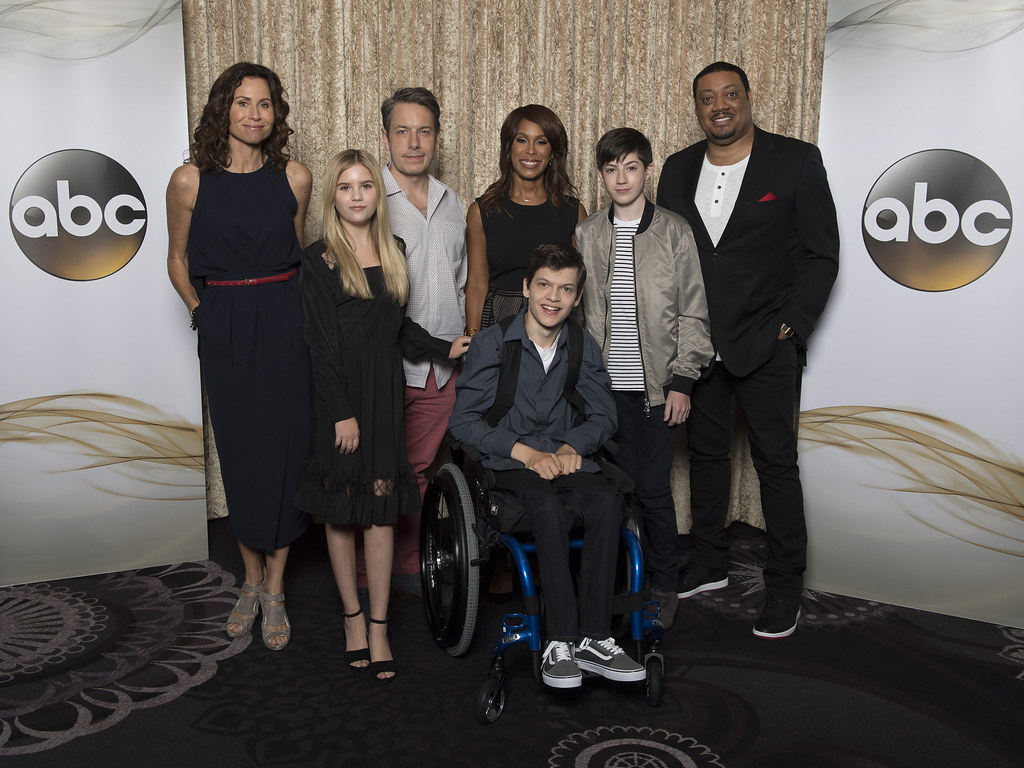
Television can be an important medium through which to explore cultural conceptions of complex topics like disability – a topic tackled by Speechless, a single-camera family sitcom. Speechless tells the story of JJ DiMeo, a young man with cerebral palsy (CP) portrayed by Micah Fowler, who himself has CP. The show focuses on JJ’s daily life as well as the experiences of his parents and siblings. JJ’s aide, an African-American man named Kenneth, voices for JJ, as the latter uses a head-mounted laser pointer to indicate words and letters on a communication board (explaining the show’s title).


In this post, we explore key themes in disability studies and how they are addressed by the show. We also reflect on the effectiveness of Speechless’ narrative in reflecting on these concepts, specifically: 1) the social model of disability; 2) ‘inspiration porn’; 3) the ‘R-word’; and 4) intersectional feminist concerns about how the show connects disability to discussions on gender, class, and race. Our analysis fits the pragmatic neuroethics paradigm, which centres lived experiences of key stakeholders affected by neuro-diagnoses and disabilities (Racine et al. 2011).


*Spoiler Alert for Season 1 of ABC’s Speechless*


The Social Model of Disability


The cast of ABC's Speechless.

(Image courtesy of Flickr.)

In the mid-1970s, as disability rights activists agitated for change worldwide, a novel way of thinking about disability emerged. Mike Oliver (1983) coined the phrase “the social model of disability” to describe the view that disability is rooted in society rather than in biology. While the traditional (or “individual”) model of disability (also called the “medical” or “deficit” model) refers to assumptions that people are disabled by impairments in their bodies or minds that need fixing, the social model argues that people are disabled by environments with insufficient ramps, discrimination, and other barriers.


In Speechless, typical storytelling tropes found in sitcoms can both highlight and distract from the role the environment plays in enabling or disabling people. Suddenly appearing objects, animals, or characters serve as quick comedic resolutions to seemingly serious problems or as a reset button to ensure a return to the show’s status quo. Speechless applies this trope to accessibility. In the episode “S-U-R---SURPRISE,” as JJ attempts to defend his little brother Ray against a bully, a dog he met earlier that episode appears at just the right moment to scare the bully away1. In “T-H-- THE C-L—CLUB,” JJ conveniently gains access to an unrealistically effective electronic communication board, which serves as a tool to bring to light JJ’s complicated feelings about his reliance on and affection for Kenneth. When JJ decides not to replace Kenneth with the board, it disappears forever. In this fashion, the show subtly alludes to the social model of disability by demonstrating that, in an environment without barriers, JJ faces little to no problem being the kind of young man, friend, and brother he wants to be.


Inspiration Porn


“Inspiration Porn” is “an image of a person with a disability […] doing something completely ordinary […] carrying a caption” with an inspirational message (Young, 2012). The intent of inspiration porn is to allow non-disabled people to “put their worries into perspective” (e.g., “what’s your excuse?”). It objectifies people with disabilities for the benefit of viewers without disabilities. These messages also erase the challenges faced by people with disabilities (e.g., “the only disability in life is a bad attitude”).


This is the kind of image that might get captioned with an

inspirational quote, creating "inspiration porn."

Image courtesy of the U.S. Air Force

In “H-E-R---HERO,” Ray defines inspiration porn as “a portrayal of people with disabilities as one-dimensional saints who only exist to warm the hearts and open the minds of able-bodied people.” A student JJ barely knows chooses to speak about him for a school-wide speech contest on the topic of “My Hero.” JJ and Ray conspire to write the most inspiring speech they can imagine – to outdo the stranger. Despite their efforts, Ray ultimately decides to give a more authentic speech about sibling squabbles: “…he can be a real jerk. He teases me and tortures me – runs me over with his wheelchair… he’s just living his life, and there’s nothing brave about that.” The audience claps awkwardly (one audience member comments: “That did not make me feel good.”), and, of course, the fake-yet-inspiring speech wins instead.


The episode is also metatextual, as the show itself could be read as inspiration porn. The showrunners must balance producing a show ‘about’ disability with avoiding essentializing or objectifying the characters. This episode seeks to counter this risk not only by pointing out that JJ – following a certain cultural script of a typical “older brother” – can be a jerk to his siblings, but also by ‘punching up,’ i.e., making less marginalized people (producers and consumers of inspiration porn) the butt of the joke.


The R-Word


“P-R-- PROM" addresses another important theme through its discussion of “the R-word.” Not only does this episode address the more obvious issue of ableist slurs (i.e., the harms associated with casually employing disability-related terms as an insult), but it also delves into important nuances within disability politics. Even within movements for inclusion such as the disability rights movement, segmentation can have an impact on the way people with different needs are perceived and assisted. For example, the public may assume that someone like JJ, who cannot verbalise, has an intellectual disability (Larivière-Bastien et al. 2011). Although indicating that he does not (as JJ’s mother does in the pilot, saying “he’s all there upstairs”) is completely reasonable and appropriate, doing so can entail shifting stigma onto other groups within the umbrella of disability.


Image courtesy of Twenty20.

Speechless rejects this shift when Ray reflects: “It’s not about JJ and [the r-word] not being an accurate description of him. What about people who do think a different way or at a different pace? Should we reference them in a nasty way when we do something dumb because we think it’s cute?” Setting aside that “dumb” is also an ableist slur, it is refreshing to see the show promote inclusion of all differences.


Intersectionality


A final key theme, drawing from feminist theory broadly, is intersectionality, i.e., the way that “intersections of race and gender, of heterosexism, transphobia, xenophobia, ableism, all of these social dynamics come together” (Crenshaw, TED). Notably, there are glaring tensions in the way that the show explores the intersection of disability and gender.


JJ’s behaviour toward women, which can occasionally be problematic, stems from the understandable goal of normalizing JJ – to have him be just like other teenage boys on TV (i.e., horny and a bit of a jerk). Ray’s behavior toward women and girls, however, reflects larger problems. Ray (again, perhaps like other teenage boys on TV) has a poor understanding of how to treat women and receives frequent encouragement from characters who should know better (e.g., his father). The metatext of the show seems oddly oblivious to how Ray’s attitude toward women reflects the “nice guy” trope – the idea that some men understand relationships as an exchange in which they pay the currency of niceness (through words, acts, gifts) in exchange for the goods of a kiss, a relationship, or a hook up. In other words, niceness is instrumental, not genuine, and sex is treated as a commodity. While we can understand the tension in JJ’s case, the show struggles in how it frames Ray’s treatment of women.


Speechless also explicitly focuses on issues of class. The DiMeo family is not wealthy. Their bathroom doesn’t have a door, they argue with insurance companies, and Dad works as an airport attendant. Ray especially struggles with the pressures to be or appear wealthy, which leads to episodes like “T-H-- THE C-L—CLUB,” where Ray tries to become a country club insider. A later episode (“C-H—CHEATER”), in which Ray similarly tries to get rich quick via a pyramid scheme, nuances Ray’s desires about wealth by exploring the intersection between family, work, and disability. Ray explains that his desire to make money is “for JJ. Later. Do I help? Is there a plan? I want to be ready.”


Image courtesy of Wikimedia Commons.

Finally, Speechless also addresses issues of race, gender, and voice through JJ’s aides. JJ’s first ‘voice’ is a woman with a higher-pitched voice and a timid approach to repeating JJ’s more colorful language choices. After meeting Kenneth, JJ tells him he “sound[s] cool” and offers him the job instead. Black masculinity is often configured as cool, which the show at once explores with nuance and also casually exploits.


Ultimately, JJ values having an aide whose voice seems more authentic; however, the line between JJ and Kenneth is blurred by the show in sometimes strange ways. In one episode, Kenneth goes to school when JJ does not and finds that he has no one to eat lunch with because he is not, in fact, friends with JJ’s friends – an explicit reflection on that line. In another episode, JJ joins the choir and, in a particularly surreal twist, lands the solo with Kenneth’s voice and, later, dance moves. The other characters here appear to interpret Kenneth as being JJ, not just as voicing for him.


However, the show is careful about drawing comparisons between the types of marginalization Kenneth and JJ experience based on race and disability respectively – exploring some overlap, but not overselling the similarity. For example, when Kenneth hears Ray and JJ writing their inspiration porn speech, he points out similarities with the ‘Magical Negro’ trope, which Kenneth defines as when “the black character is just there to help the white guy on his journey and he mainly speaks in folksy sayings.”


Conclusion


In this post, we highlighted ways in which the television show Speechless addresses challenges and stereotypes faced by people with neurodevelopmental disabilities. While often successful, there are several ways in which the show falls short – especially in how it understands gender. Nonetheless, media portrayals of neurodevelopmental disability provide fruitful material upon which neuroethics scholars can reflect and which will hopefully have a positive impact on the public sphere.


References


Larivière-Bastien, D., Majnemer, A., Shevell, M., and E. Racine. 2011. Perspectives of Adolescents and Young Adults with Cerebral Palsy on the Ethical and Social Challenges Encountered in Healthcare Services. Narrative Inquiry in Bioethics 1(1): 43-54.


Oliver M. 1983. Social Work with Disabled People. Basingstoke: Macmillan.


Racine, E., E. Bell, N. C. Di Pietro, L. Wade and J. Illes. 2011. Evidence-Based Neuroethics for Neurodevelopmental Disorders. Seminars in Pediatric Neurology 18(1): 21-25.


Young, S. 2012. We’re not here for your inspiration. ABC News. Accessed 12 October 2017 at http://www.abc.net.au/news/2012-07-03/young-inspiration-porn/4107006.


**Confusingly, most official ABC videos we link to here do not include subtitles.


Want to cite this post?


Aspler, J and Cascio, A. (2018). Neurodevelopmental Disability on TV: Neuroethics and Season 1 of ABC’s Speechless. The Neuroethics Blog. Retrieved on , from http://www.theneuroethicsblog.com/2018/01/neurodevelopmental-disability-on-tv.html


Tuesday, January 9, 2018

Dog Days: Has neuroscience revealed the inner lives of animals?


By Ryan Purcell


Image courtesy of Pexels.


On a sunny, late fall day with the semester winding down, Emory neuroscientist Dr. Gregory Berns gave a seminar in the Neuroethics and Neuroscience in the News series on campus. Berns has become relatively famous for his ambitious and fascinating work on what he calls “the dog project”, an eminently relatable and intriguing study that has taken aim at uncovering how the canine mind works using functional imaging technology.


The seminar was based on some of the ideas in his latest book, What It’s Like to Be a Dog (and other adventures in Animal Neuroscience). In it, Berns responds to philosopher Thomas Nagel’s influential anti-reductionist essay “What Is It Like to Be a Bat?” and recounts his journey to perform the world’s first functional magnetic resonance imaging (fMRI) session on an awake, unrestrained dog. Like so many seemingly impossible tasks, when broken down into many small, discrete steps, getting a dog to step into an fMRI machine and remain still during scanning became achievable (see training video here). 


In his book, Berns returns to the central question of “What it’s like to be a dog” several times and offers partial answers that hint at a bigger idea. For example, after training the dogs to exhibit restraint and delayed gratification, Berns observed a homologous brain area (the inferior frontal gyrus of the prefrontal cortex) become active that is also activated in humans when they perform an analogous task. Therefore, he suggested that while it may be a stretch to know all at once what it’s like to be a dog, we may be able to infer pieces of the canine experience. When a dog delays gratification, it feels a lot like it does for us.


A bat's use of echolocation depends on echoes to

build a sonic map of the world around them.

(Image courtesy of Wikimedia.)


Nagel chose to write about bats because, in his words, they are “a fundamentally alien form of life.” To illustrate this point, he highlights how the primary sensory perception for bats as they move through the world is echolocation. On its face, echolocation does indeed seem like a completely separate sense that we humans do not possess, and would preclude our understanding of what it is like to be a bat. Berns, however, noted that while most of us do not use sonar to navigate the world, we can certainly tell the difference between the sound of our voice in a closet and in a concert hall. Moreover, there is substantial evidence that people with vision impairments can, with training, use echolocation to navigate the world. With some effort, the alien can become understandable.


Listening to the presentation I started to wonder, has a study ever found that an animal is less intelligent or less capable than we had thought? Have we – particularly scientists who conduct research with animals (like myself) – been knowingly and willfully ignorant of their conscious experience in order to avoid the really difficult questions? In the audience, Center for Ethics director Dr. Paul Root Wolpe raised the question of whether progress will mean a continued, inexorable expansion of the type of research restrictions that we now have on non-human primates into so-called “lower species.” Is an implication of Berns’ research that fundamental animal experiences are very similar to ours? Essentially, is there something special about dogs, or do they just serve as a highly trainable window into the underappreciated abilities of the animal kingdom? From what I heard, I think Berns would say yes to both—that there is in fact something special about dogs, but that they also can serve as “ambassadors” to teach us about the inner lives of animals. The way that dogs have co-evolved with humans for the past 30,000 years may make them a unique case, particularly because of our ability to work closely with them, even in a research setting.


Image courtesy of Wikimedia.


Dr. Berns told us that, in his mind, the most subversive element of the dog project is how he tried to offer his canine participants self-determination. He explained that they were effectively treated in much the same way as if they were small children participating in research studies, granting them the right to refuse at any time. The ethicists in the room pushed back on this point – if the dogs were trained with treats, weren’t they coerced, or at least manipulated? It is difficult to know for sure. However, in the book, Berns discusses one particular dog that trained extremely quickly and made him wonder if she had any will of her own that wasn’t shaped by her owner. The dogs may have been manipulated to some degree, but they all climbed into the scanner on their own and faced no physical barriers to leaving it at any time, which is radically different from how most research animals are treated.


A significant, largely unintended consequence of this work has been its implications for animal rights. In the final chapter of his book, Berns lays out his thoughts on what the dog project means for this very issue. He acknowledges, “Neuroscience isn’t going to be able to tell us exactly what we should do, but it…will change what we know about animals’ internal experiences.” For some, the idea that there may be far more similarity in conscious experience among vertebrates than we had thought will change their personal views on the use of animals for food, clothes, and research. For others, this knowledge further muddies an already impossible problem. Perhaps it is time to finally shake off the insidious view of animals as Cartesian automatons and consider, for a change, erring on the side of assuming a bit more conscious self-awareness in animals than we have evidence for at the moment. This is easy for dogs, but what does it mean for less cuddly, more supposedly necessary creatures (e.g. cattle, chickens, lab animals, etc.)? At minimum, this could be an opportune time to remember the three R’s of animal research: replacement, reduction, refinement. Berns himself does not seem to be advocating for ending animal research or livestock production, but instead for taking a hard look at how we treat the creatures that we directly or indirectly depend on while they are in our care.


As he was wrapping up the discussion, Dr. Berns mentioned that in many ways this study tells us more about people, than dogs. Neuroethics program director Dr. Karen Rommelfanger then asked, “so has this changed how you work with human subjects?”


“Yeah.” Berns replied, with a wry smile. “I don’t anymore.”


Want to cite this post?


Purcell, R. (2018). Dog Days: Has neuroscience revealed the inner lives of animals? The Neuroethics Blog. Retrieved on , from http://www.theneuroethicsblog.com/2018/01/dog-days-has-neuroscience-revealed.html