Pages

Thursday, August 23, 2012

Finding and Naming (Symptom) Constellations


By Guest Contributor Racheal Borgman, MA  


DSM IV-TR via Wikipedia.org

The rhetorical component of illness is an important extension to the issues raised in last month’s post on the DSM. As Anjana Kallarackal pointed out, there are concerns aplenty when it comes to the DSM and how the committee goes about its categorizing work. But I was especially interested by the very first response to the post, by David Nicholson:


"I wonder if it would be useful to try to put a number to the "negative consequences" of a given addiction… If we could decide how damaging some addiction was, maybe that would tell us how much to medicalize it as well. Insurance companies could decide that they'd cover cognitive behavioral therapy for internet addiction, but nothing beyond that."


It’s an incredibly tempting solution.

But then there’s the pesky rhetorical component of illness that must be contended with. For instance, how do we:


  • know that an illness is an illness?

  • know that a particular group of symptoms corresponds to a particular, named illness? 

  • bridge the gap between the physical experience of an individual and a category of illness that a DSM committee has set down in its tome, and 

  • ensure that the two align? In other words, how do we get to the name of a thing that can then be measured and analyzed? 
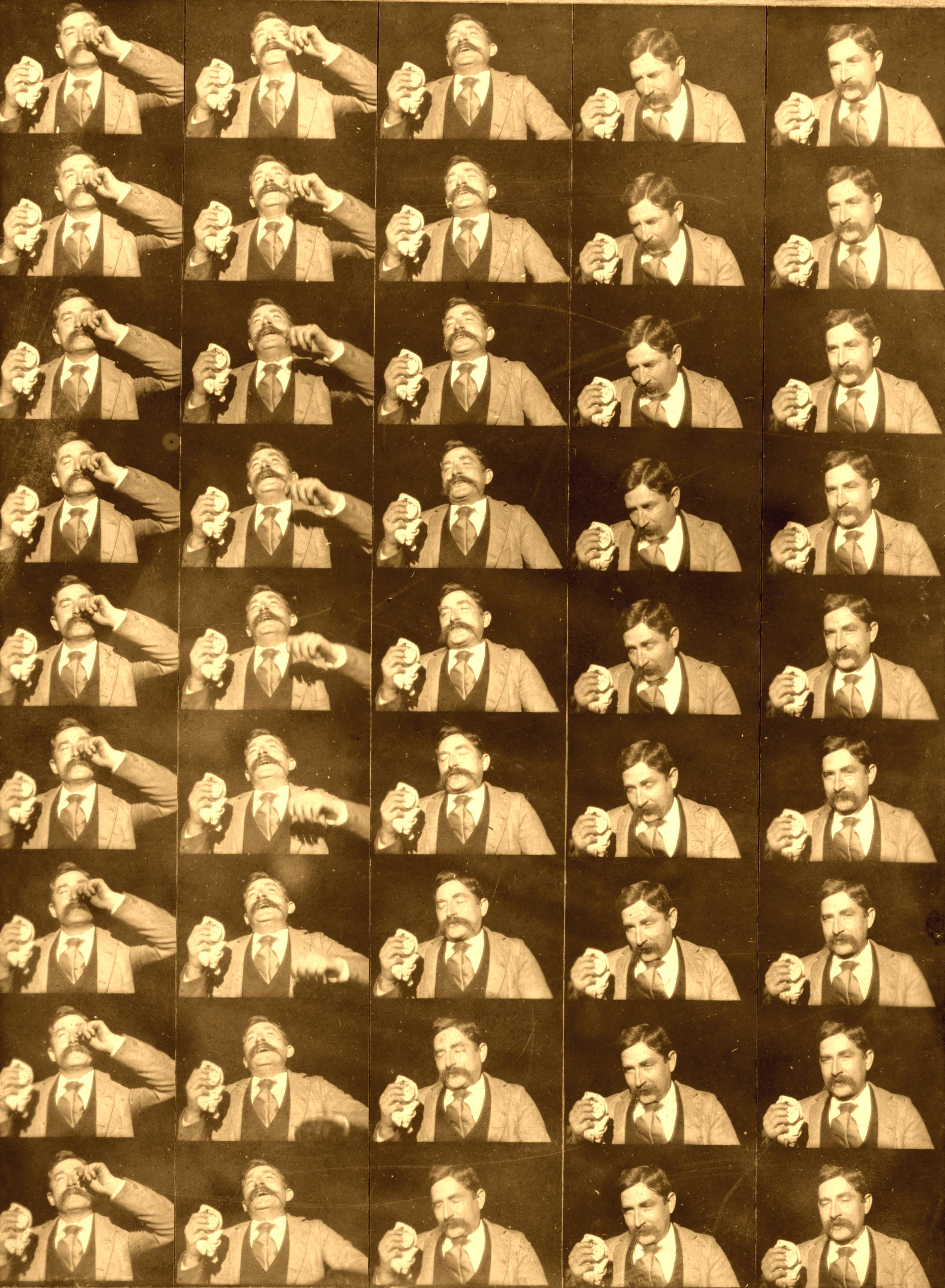


By W.K.-L. Dickson,

'Fred Ott's Sneeze'

via Wikimedia Commons


Let's take an example. You have a stuffy nose and you feel a little achy all over. Without thinking much about it, you reach up and feel under your chin. Ah, yes. Swollen lymph nodes. A cold. You go about saying things like, “I’ve got a cold coming on—sore throat, stuffy nose, all that,” and people respond with recognition: “Oh, that’s awful! I was out last week with the same thing.”

What enables this bit of self-diagnosis? How do people understand what your ailment is and feels like from your quick, glossy explanation?


Here’s a twist to the example. You have a stuffy nose and you feel achy all over. Swollen lymph nodes. A rash on your leg. It must be a common cold. You say, “I’ve got a cold coming on—sore throat, rash on the leg, the whole nine yards.” The response is going to be different: “A rash on your leg? What?” One of those symptoms is not like the other.


And that’s what I mean by symptom constellation: a group of symptoms that are understood to go together, to be participants in the same illness, and which, when traveling together, allow us to call an illness by its name. It goes the other way, too: if I decide I have a common cold, I don’t include the leg rash in the description of my illness. Having named the illness, I have also identified its constituent symptoms.


This phenomenon led Arthur Kleinman, a psychiatrist/medical anthropologist/interdisciplinary boundary-crosser, to claim that “illness meanings are shared and negotiated. They are an integral dimension of lives lived together.” [1] Our attention to physical symptoms is driven by culturally-contextualized narrative interpretations of what an illness is and what effects it has.


Dr. Arthur Kleinman, Esther and Sidney

Rabb Professor, Department of Anthropology,

Harvard University

As a practical example of illness interpretation across cultures, Kleinman uses an endangered illness, neurasthenia. In America, neurasthenia has been eradicated. In China, it was flourishing before the DSM killed it in 1995. [2]


Kleinman believes that America eradicated neurasthenia by making a simple tweak to its symptom constellation. Neurasthenia is almost indistinguishable from clinical depression except for one small symptom: mechanical weakness of the physical nerves. In America, we understand clinical depression and its symptom constellation, even if we sometimes need reminders from pharmaceutical ads on the television. Mechanical weakness of the nerves is not a part of our known constellation, and is thus a non-sequitor symptom. If you feel weak and dizzy, you need to ask your physician about some other illness. And quick as a wink, with just that small adjustment to our cultural understanding of depression, neurasthenia was wiped out.


Meanwhile, in China, Kleinman suggests, depression carried a political overtone [3]: being depressed was a statement of discontent with one’s surroundings, both on a personal and a political level. Therefore, an adjustment to neurasthenia à l'américaine would render Chinese patients into political protestors. Neurasthenia became an acceptable alternative, not only as a diagnosis, but as an illness to report to oneself and others. It’s not a matter of lying about physical experience, either—the patients Kleinman interviews describe the condition of their weak nerves in great detail, and are clearly describing their experiences as best they can, much as we describe our lymph nodes as though they bothered us before our fingers felt them swollen.


As another medical/rhetoric scholar, Arthur Frank, puts it: “Suffering comes to understand itself by hearing its own testimony.” [4] Only in a particular cultural context may a patient experience nerve weakness as a part of this particular symptom constellation we know as “neurasthenia.” Otherwise, nerve weakness becomes like a leg rash during a cold: unrelated.


Neurasthenia’s relativity points to the essential rhetorical component of illness: patients’ “stories are the respective products of the worlds each moves through, though these local worlds are also formed anew with each act of interpretation of every story the community recognizes as theirs.” [4] Without communal recognition, neurasthenia ceases to exist. With communal recognition, it flourishes. The same thing goes for mental illness.


Interestingly, the communities in which interpretation and communal recognition happen are frequently different than the communities in which categorizing work occurs.  Physicians, psychiatrists, DSM committees, lawyers, and judges may never encounter the cultural environment that has enabled a particular type of illness, and thus, a particular kind of suffering. (Kleinman has a great story about this, involving pickle juice, here. [5])


Photo credit: Nora Volkow

PET brain scans show chemical differences in the

brain between addicts and non-addicts, via Wikimedia Commons

Which brings us back to Mr. Nicholson’s idea about quantification of an addiction’s detriment. If the identity and even symptoms of an illness change within different communities of interpretation, then so do the consequences of the illness. Mental illnesses provide the clearest examples of this (hysteria in women a century ago, alcoholism in more recent years), but it happens with physical disorders too. So if a minority community, through the acts of saying and interpreting a physical experience, brings an illness into being, how does this influence another community’s act of categorization? When pursuing a categorization project such as the DSM, how do we avoid the tyranny of the majority? How do we avoid institutionalizing prejudices against any community’s narrative interpretations of physical experience? The rhetorical component of illness also problematizes tools that rely on a “normalized” comparative brain or body, including, for instance, brain images used for lie detecting. If the definitions of “wellness” and “illness” are culturally contextualized—often in deeply fundamental, incommensurable ways—then against what “normal” brain or body do we compare a potentially “ill” brain or body? [6]


The very definition of illness or well-being is constantly in flux within disparate cultural communities. The question of categorization—in the DSM or elsewhere—becomes less one of quantification and more one of pragmatic usefulness: how can we do the most good and the least bad to the most individuals, while retaining the usefulness of this categorizing tool? This issue finds special traction in neuroethics in cases of legal deliberations dependent on “official” diagnoses of a person’s mental health. As a special communicative situation, with its own rules, legal proceedings become a second-removed categorization: interpretation is first divorced from whatever particular communities the participants emerge from, and next, the illness is divorced from its own particulars, both the individual’s physiologic involvement and the illness’s creation-through-interpretation that happens on a social level. Like a pinned beetle, the mental fitness of an individual is taken out of its natural environment and displayed against the flattened categories of precedent, both legal and medical, and against guides such as the DSM (read more here and here). When removed from the community of its creation, how can we identify a mental illness? Who is capable of judging the existence of a mental illness?


Want to cite this post?

Borgman, R. (2012). Finding and Naming (Symptom) Constellations. The Neuroethics Blog. Retrieved on
, from http://www.theneuroethicsblog.com/2012/08/finding-and-naming-symptom.html#more


------------------------------------------------------------

1. Kleinman, Arthur. The Illness Narratives (New York: Basic Books, 1988) 186.

2. Apparently, Kleinman wrote neurasthenia out of existence—with a little help from the DSM:

http://www.ncbi.nlm.nih.gov/pubmed/18040092

3. Kleinman, 109.

4. Frank, Arthur. The Wounded Storyteller (University of Chicago Press, 1995) 171.

5. Kleinman, 130.


6. And for an excellent examination of just such a cultural divide and its influence on medical diagnosis and treatment, check out The Spirit Catches You and You Fall Down by Anne Fadiman.


Thursday, August 16, 2012

The Military and Dual Use Neuroscience

If there’s one thing I learned from the most recent installment of Christopher Nolan’s Batman trilogy, it’s this:  if you’re doing interesting research, it probably has a military application.


In the interest of spoiler avoidance, let's just call this Wayne Enterprises invention "dual-use." (http://ixpower.com/2012/07/dark-knight-rises-batman-movie-does-infant-smr-industry-no-favors/)


Dual Use Technology

The formal name for it is “dual-use technology,” and it’s difficult to find an area of research in which it’s not a relevant concern. Innovations in renewable energy may avert catastrophic global warming, but they also promise to significantly lower military fuel costs and improve the mobility of forces newly unconstrained by the logistics of fossil fuel transportation. Research into nuclear fusion foreshadows essentially inexhaustible carbon-free energy at the same time as it provides a technological foundation for fusion-triggered nuclear weapons that some believe may lower the threshold for nuclear weapons use. Even ostensibly benign anti-obesity campaigns have military implications, as suggested by a recent CBS News article ominously titled “Too Fat To Serve: Military Wages War on Obesity.”


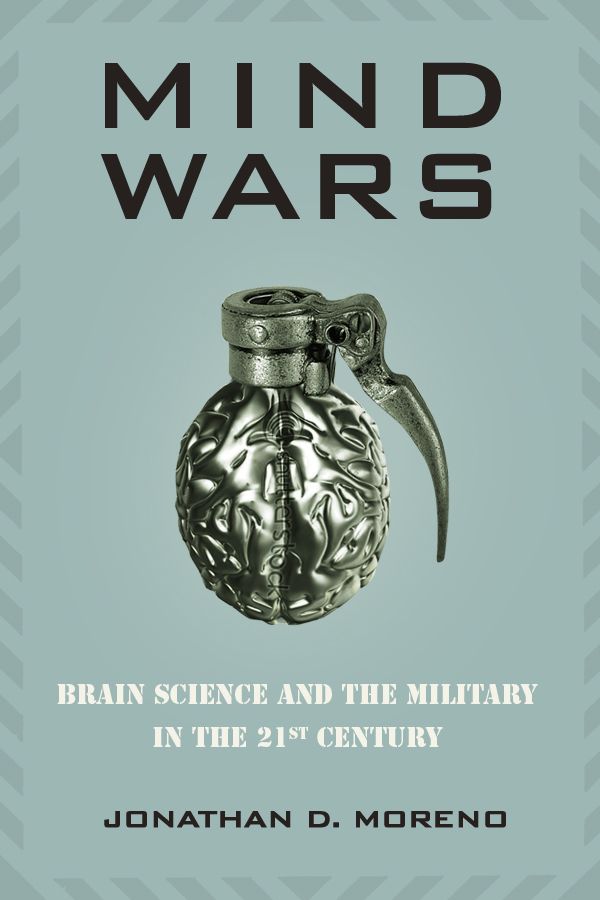
Physics and engineering tend to be the disciplines most readily associated with high-profile military innovations, but it’s biology – and neuroscience in particular – that has increasingly captured the interest of the military research establishment. In 2006’s Mind Wars: Brain Research and National Defense, University of Pennsylvania bioethicist Jonathan Moreno estimates that “most of [DARPA’s][1] desired research proposals directly or indirectly involve the brain” and, in a journal article published this year, finds that the fiscal year 2011 budget contains over $350 million in military neuroscience research. A 2009 Army report entitled “Opportunities in Neuroscience for Future Army Applications” similarly emphasizes the importance of neuroscientific research, declaring that “emerging neuroscience opportunities have great potential to improve soldier performance and enable the development of technologies to increase the effectiveness of soldiers on the battlefield."


Jonathan Moreno’s Mind Wars, to my knowledge the most comprehensive work on the military applications of neuroscience.  (http://scienceprogress.org/wp-content/uploads/2012/05/MindWars_cover.jpg)


The military applications of neuroscience are vast, but can be divided[2] into three categories: performance enhancement and degradation, surveillance and threat assessment, and neural interface.


Performance Enhancement and Degradation

Performance and cognitive enhancement technologies are not new to the military, though they’ve certainly taken on new forms in recent years. The use of stimulants - methamphetamine in Germany and Japan, and amphetamine among the British and Americans – was widespread throughout militaries during World War 2, and the 2009 Army report includes a section on good ‘ol caffeine as a means to “to improve cognitive functioning during sustained military operations.” Recent military research has investigated new drugs, most notably ampakines[3], that attempt to combat the negative effects of sleep deprivation without incurring the abuse potential and side effects often attributed to traditional stimulants. A 2012 report on neuroscience and conflict published by the UK Royal Society cites a number of additional substances – notably, the Parkinson’s drug and dopamine precursor L-DOPA for learning enhancement, the social-behavior-modulating hormone oxytocin for unit cohesion, and anxiety-dulling beta-blockers for decision-making under stressful conditions – with apparent potential for military use. Which substances will find an ultimate military application remains, at this point, unclear. For all the well-publicized success of underground chemists in producing euphoric knockoffs of popular recreational drugs[4], however, it seems inevitable that the military’s best pharmaceutical minds will eventually develop a set of chemicals appropriate to the wide variety of tasks faced by military personnel.


This woman’s oxytocin foot tattoo inspires a certain degree of love in me, though I’m told by more studied colleagues that “looking at molecular diagrams” doesn’t constitute an effective route of drug administration (http://io9.com/5925206/10-reasons-why-oxytocin-is-the-most-amazing-molecule-in-the-world)


Military interest in performance enhancement extends well beyond chemicals. “Opportunities in Neuroscience for Future Army Applications” recommends medium-term field deployment of transcranial magnetic stimulation (TMS), a form of direct electrical brain stimulation that has been associated with memory enhancement. The 2009 DARPA Strategic Plan references a DARPA program, intended for intelligence analysts[5], that aims to develop a neuroimaging system capable of detecting visual information below the level of conscious apprehension. The same strategic plan cites applications for neuroimaging in prescreening potential recruits and in expertise development for high-skill activities such as marksmanship and language acquisition.


In addition to the performance enhancement of its own personnel, the military stands to benefit from the performance degradation of the enemy. Techniques for achieving this goal, which might be categorized broadly as “chemical incapacitation,” have applications in crowd control, counter-terrorism, interrogation, and direct warfighting[6]. Incapacitating substances include opiates, notably utilized by Russia during the Moscow Theater hostage crisis for purposes of mass sedation, as well as other agents with established or theoretical sedating properties such as benzodiazepines, alpha-2 adrenoreceptor agonists, and orexin antagonists[7]. The U.S. military has also conducted research into the somewhat more science-fiction suggestive (and, depending on your political preferences, substantially more sinister sounding[8]) “directed energy weapons,” concentrated beams of small particles or electromagnetic radiation with the ability to cause cognitive impairment as well as physical incapacitation.


Surveillance and Threat Assessment

An EEG device marketed as the Veritas TruthWave helmet has received a fair bit of media coverage over the past several months for its supposed “mind-reading” properties. Attached to the head of a suspicious individual, TruthWave uses EEG to determine if a subject recognizes a given suspicious visual stimulus[9]. If the suspect responds with a pattern of brain activity known as a “P300 signal,” recognition – and therefore, it is thought, guilt – can be inferred. The CEO of Veritas Scientific, Eric Elbot, has been about as ominous as any person could realistically be about a product they hope to sell, telling the Institute of Electrical and Electronics Engineers that “The last realm of privacy is your mind… This will invade that.” Veritas’ research is funded by the U.S. military, and Elbot claims that a similar Veritas product has already been deployed in a border control context.


Veritas Scientific, the company behind theTruthWave helmet (http://www.veritasscientific.com/)


Along similar lines, a company called No Lie MRI has marketed fMRI truth detection technology to the Department of Defense. If you’re a loyal reader of the Neuroethics Blog, this likely won’t strike you as too surprising: the accuracy and usability of fMRI for lie detection have been discussed extensively here in the past. While fMRI has demonstrated impressive lie-detection capabilities in some studies, Neuroethics blogger David Nicholson points out that the current generation of fMRI machines also “take up an entire room and… sound like a dishwasher powered by the souls of unborn babies,” a fact which likely limits their usability in a field context. TruthWave, which neither takes up an entire room nor (to my knowledge) sounds anything like unborn children, may go some way towards ameliorating these limitations.


Neural Interface

Of all the neuroscience technologies currently under investigation by the military, it is neural interface that may produce the most far-ranging implications. Civilian researchers have made remarkable strides in direct neurological control of limbs and other objects, including the successful neural control of prosthetic robotic arms in both primates and humans. Neural interface technology has clear short-term applications in producing high-quality prosthetics for injured servicemembers, to the point where the website for DARPA’s Revolutionizing Prosthetics program suggests that “servicemembers with arm loss may one day have the option of choosing to return to duty.”


The guy on the left looks amused out of his mind. (http://www.defense.gov/news/newsarticle.aspx?id=62114)


In the medium-to-long term, it is conceivable that neural interface systems may revolutionize warfare in its entirety. The UK Royal Society report suggests a number of applications that appear at first glance to border on science fiction: imagine, for instance, remote-operated and brain-controlled vehicles for operations in enemy territory, neutrally-interfaced weapons systems that use unconscious brain data to enhance reaction times, or magnetic implants in the fingers that, when connected to the brain, allow the user to “feel” heat at a distance. In a fascinating Penn State interview, Jonathan Moreno is asked which military neuroscience technologies he feels are most “eye-opening or scary.” Dr. Moreno responds that neural interface technologies enabling what is “essentially a robot army… with the creativity and spontaneity of a human operator” may constitute the ultimate future of warfare (though perhaps, he cautions, not in his lifetime). Such warfare would be conducted not with “boots on the ground,” but by military personnel sequestered safely in a bunker dozens or hundreds of miles away.


Concluding Remarks

A generation ago, a young, patriotic science student might have aspired to work at the Lawrence Livermore or Los Alamos national laboratories, designing multi-megaton nuclear weapons to contain the Communist threat. Today, that same student – perusing a DARPA budget now easily accessible to her online – might reasonably conclude that it is neuroscience, not physics, in which the bulk of future military research opportunities lie. The implications of this paradigm shift for present-day neuroscientists are substantial, a fact which has increasingly been recognized by publications in the field (see here, here, and here). The potentially coercive use of performance enhancing substances among military service members, the consequences of EEG and fMRI for privacy, and the legal and ethical implications of next-generation chemical incapacitants are just some of topics that have been discussed extensively in this literature.


In my next post, I’ll look more comprehensively at the legal, ethical, and geopolitical implications of novel military neuroscience technologies, and discuss the role of neuroscientists in influencing possible future applications of their research.


Want to cite this post?


Gordon, R. (2012). The Military and Dual Use Neuroscience. The Neuroethics Blog. Retrieved on
, from http://www.theneuroethicsblog.com/2012/08/the-military-and-dual-use-neuroscience.html


--------------------------------

[1] Defense Advanced Research Projects Agency, the federal agency responsible for research into military-relevant technology.


[2] Imperfectly, and according to a more or less arbitrary system of personal categorization.


[3] Drugs whose action is mediated, as might be expected, through the AMPA subtype of glutamate receptors.


[4] e.g. “bath salts” and synthetic cannabis, among others.


[5] Neurotechnology for Intelligence Analysts (NIA).


[6] Although many of these applications are either clearly or ambiguously restricted by international law.


[7] See the UK Royal Society report (http://royalsociety.org/uploadedFiles/Royal_Society_Content/policy/projects/brain-waves/2012-02-06-BW3.pdf) for more information on these and similar incapacitating substances.


[8] Sinister sounding enough, in fact, that a Google search for “‘directed energy weapons’ conspiracy” yields 58,000 results, the first page of which contains diverse allegations involving mind control, the anti-Christ, 9/11 truth, and a Russian scheme to melt the polar ice caps.


[9] It’s not clear to me what constitutes a “suspicious visual stimulus,” but one article (http://spectrum.ieee.org/biomedical/diagnostics/the-mindreading-machine/) suggests “bomb specs or Osama bin Laden’s face” as possible examples.


Monday, August 13, 2012

Comment on: Placebo for Psychogenic Illnesses: Why “It’s all in my head” does and doesn’t matter

*This post was originally posted on the Neuroethics Women (NEW Leaders) Leaders site.


Recently, I composed a piece for Nature Science Soapbox entitled, Placebo for Psychogenic Illnesses: Why "It's all in my head" does and doesn't matter and in the Huffington Post on Placebo. Both pieces work to reframe and deepen our understanding of medicine and illness by utilizing neuroscience. Importantly, this process must include humility for the limitations of neuroscience and our current understanding of the brain while also maintaining an openness to what we don't know, avoiding foreclosing opportunities for richer understanding of the brain's capabilities.


I believe neuroethics discourse needs to occur with all relevant stakeholders, and as I discussed with colleagues recently, I feel it would be a failure if I couldn't engage in neuroethics discourse outside of my discipline (I admit that I'm well-rooted in neuroscience). I've had colleagues voice concerns about misinterpretations of what we say by the public and sensationalizing of our findings in the popular media. Generally, these, primarily academics, use these as (not entirely unfounded) excuses to avoid speaking with the public or general audiences. This is a mistake. Neuroethics is a discipline that directly speaks to the implications of neuroscience for society and its ethical norms; we must involve society and general audiences. This necessarily means including not only individuals outside of our discipline, but individuals in our broader communities.


Recently, I received an emotionally charged response to my Nature Science Soapbox piece, where, unfortunately, the reader felt I had dismissed her and her son's medical reality. I understand that this misinterpretation will happen often as I'm trying to work with deeply engrained social norms about mental illness, stigma, and evolving descriptions of what the brain does (and even the mind does).

You can read her comment here and my response can be found below.


***********************************************************************


Thanks for your comment, Kathleen. To be clear, this article is not about dismissing PANDAS or Dr. Trifiletti. This article is about 2 things: 1) re-framing the way we conceptualize psychogenic illnesses and placebo by 2) utilizing evidence-based arguments—in this case utilizing neuroscience. The overall goal being to advocate for ways to minimize suffering and to explore innovative ways to help people, in this case psychogenic patients, who are truly suffering and lack standard measures for medical care.


 How do we use the phrase, “It’s all in your head,” and I invite you to start with asking yourself.


 Generally, it’s used to describe psychological phenomena, thinking, feelings, or “mind”. If it’s “all in your head”, it’s almost something to be dismissed. If you have a problem that’s “all in your head,” it’s not truly “real”: you should “get over it”. And if you don’t or can’t, it reflects poorly on the very fabric of your character: you’re weak-willed, maybe even failing morally.


Because of advances in neuroscience, we now understand that many of these psychological phenomena are intimately tied to changes in brain chemistry, and electrical activity in the brain. In this case, “it’s all in your head,” as it’s used above, stops making sense; it’s a false distinction between what is a “real” disease and what isn’t. For example, PANDAS and psychogenic disorders are equally real, as real as cancer. These all physically affect the body-- and I consider the brain as part of the body.


 Historically, as a society, we have relied on technology to define disease. And as technologies become more sophisticated, we are learning more and more about how the brain works. For example, conditions that cause enormous suffering, such as epilepsy, and dystonia were formerly considered “not real”, believe it or not. As technology has grown more sophisticated, we can now attribute epilepsy to abnormal clusters of electrical activity and dystonia to aberrant circuitry in the brain. Similarly, placebo, which was thought to be nonspecific, “fake” even, now has been demonstrated to have significant physiological effects in the brain that correlate with reported benefit (from both patients and doctors).


What I want to share with non-neuroscientists, is the sense of wonder and humility scientists have with regard to biological phenomenon and living. We, as a discipline, must challenge our assumptions, and revise our thinking, all of the time. Scientists do this through evidence and empirical work. And although we currently don’t have technology to measure something, doesn't’ mean we won’t in the future.


The girls in LeRoy are an unfortunate case study in just how unnecessarily worse the situation can get when society uses false distinctions of “what’s in your head” and what’s not. The implication being that “what’s in your head” is NOT real and therefore stigmatized. These girls, whose suffering and conditions are very real, were only made worse on all accounts, by this type of logic.


 In sum, this article is about respectfully re-framing the way we, as a society, define disease and medicine by utilizing scientific evidence, in this case based in the brain sciences. And by re-framing the way we see psychological phenomena through the lens of science, we may eliminate the unfair stigma and suffering associated with false distinctions between what’s in the mind versus what’s in the body.


Want to cite this post?

Rommelfanger, K. (2012). Comment on: Placebo for Psychogenic Illnesses: Why “It’s all in my head” does and doesn’t matter. The Neuroethics Blog. Retrieved on
, from http://www.theneuroethicsblog.com/2012/08/comment-on-placebo-for-psychogenic.html

Thursday, August 9, 2012

Brain Connectomes: Your ticket to the future


Science often provides us with thrilling and
puzzling scenarios in which our imaginations are forced to conceive the
possibilities the future may bring. Life after death is an old concept that is getting
a facelift. The Connectome, a very real development in neuroscience, is being
used to conceptualize another very interesting piece of science-[fiction]:
mind uploading.


Image from http://www.mindcontrol.se/?attachment_id=3021


Fast-forward a few centuries. Bear with me,
as this requires imagination. You have just died and are beginning the journey
to the next stage of your life. For this trip, you won’t have to pack any bags.
If all goes smoothly, you will be back home in time for the evening sitcoms.
Your casket was lowered into the Earth this morning and because your driver’s
license indicated ‘Continue Life’ you are scheduled for resurrection this
afternoon. Suddenly, a message appears.


There are
three ticket options for you today. Our Elite ticket (1 million USD) and our
most comfortable ride in to the future comes with a wide assortment of amenities.
While fully reinstating your memory, personality and acquired skills, you will
be presented with the opportunity to make any adjustments you wish. A memory of
violence, depression or hardship can simply be erased, liberating you from a
particularly difficult moment. Using our advanced technology, we can also
augment or sharpen certain memories with algorithms that accurately calculate
how an event may have occurred. You will enjoy our most luxurious Back2LiFE
Robotics model, the Elite Humanoid, which comes fully equipped with our AWAKE®
(Automated Work And Knowledge Environment) interactive software, allowing you
to sense the world and all its warmth, just as your previous body did.


The next
option, the Premium ticket (600,000 USD), provides you with all of your
memories and your personality. The Premium Back2LiFE model provides a full
range of motion while also allowing you to interact with the world using the
AWAKE® versions of the 5 human senses: touch, taste, sight, smell and hearing.
Upgrades for this plan are available at any time.


The Economy
ticket (125,000 USD) allows you to return to life free of the weight of any
memories or personality and you will enjoy our basic Back2LiFE model. Upgrades
are not available for this plan…


The choice to Continue Life may not be so far
away. While I am aware that this may sound a bit out there, I am not the only
one who thinks like this. Tom Scott has created a video 
describing the process of coming back to life and I highly
recommend watching it. It is a chilling, yet extremely believable take on what
re-entry may look like and the choices the human race may someday face. There
are many highly qualified individuals that belief life as we know it will end
very soon. Ray Kurzweil
believes that brain uploading will be possible by 2040. Transhumanism,
continuation of life
and something called the Singularity are all hot topics.


Before we enter this discussion I should
preface with this: I do not intend to answer questions, proclaim that I know
the answer or make any definitive suggestions on a future course of action. I
am here to ask questions, prompt you to think, and hope that collectively, we
can figure out what to do with this issue.


Image from http://fanart.tv/movie/2277/bicentennial-man/


If you have ever seen the Bicentennial Man, it may have changed the way you think about life, death or what
it means to be ‘human.’ In short, Robin Williams, with all of his magnificent
charm, is a robot of the 21st century with no greater desire than to
become human. The film, filled with Williams’ knee slap humor and tear-jerking
moments, outlines this ‘unique’ robot’s transition from machine to man. A key
and defining factor is that in order for Williams to be recognized as human, he
must be able to die. According to the film, the ability to die is the proof
that says you had lived a human life.


Imagine for a moment the reverse of the
process. Take an old and dying human body and turn it into a shining, advanced
new machine. Upon death, all of a person’s thoughts, memories and emotions
would be recorded, transferred, and translated into a mechanical body and the
person would be brought back into consciousness. I am not saying that this is
possible, plausible or that it will ever be, but there are people working very
hard to make it so. Kenneth Hayworth, Ph.D., is one of those people. Dr. Hayworth
graduated from University of Southern California before moving on to work at
Harvard. A project that relates directly to his work is the Human Connectome Project
, a $40-million collaborative study funded by the National
Institute of Health. The goal of the project is to create a map of the entire
brain, similar to what the Human Genome project set out to do with DNA. The
Connectome project feeds into Dr. Hayworth’s theories, as he believes that an
understanding of the brain’s infrastructure will help in its reconstruction.
However, he understands that there is more. He says, “You can’t look at a road
map of Manhattan and know what its like down there. You have to dig deeper.”


Scientists at Washington University, St. Louis,
the University of Minnesota, UCLA and the Massachusetts General Hospital are
doing the digging for the Human Connectome. They’re not digging for a source of
immortality. Instead, they hope that a thorough understanding of the brain will
unlock secrets to treating neuropathologies. At the University of Georgia and
Emory University, connectomics is already is use
. Tianming Liu (U.Ga) and his team have mapped the brain, using
landmarks as they navigate through the dense network of cells. They call the
landmarks DICCOL; dense individualized and common connectivity-based cortical
landmarks. Dajiang Zhu, a student working on the project, says, “DICCOL is very
similar to a GPS system. [It’s] a map of the human brain.”


Image from

http://cercor.oxfordjournals.org/content/early/2012/04/05/cercor.bhs072.full


Xiaoping Hu and
Claire Coles at Emory University are collaborating with Liu and
hope to use their map to compare ‘normal’ brains to the brains of
children who were exposed to cocaine while in the womb. As you might expect,
exposure to cocaine can be extremely harmful to children, with the potential to
cause serious damage
to their brain networks.


Brain mapping technology has huge potential. Consequently,
there are many issues that it brings, some in the far future but several that
are very relevant now. There are three major topics I will touch on: death,
identity, and property. They are all interconnected within the scope of this
discussion.


First, I will start with death, as it was the
impetus for having this discussion. This is not the first time that someone has
challenged the definition of death. Over the centuries as technology and
medicine advance, our understanding of death has grown and changed. Before
1970, the main identifiers for death (and life, actually) were the cessation of cardiopulmonary function
. As we push
forward, we have come to see that a heartbeat and respiratory action signify
that the brainstem is intact but higher brain function may be absent (think
coma or persistent vegetative state). While the science is still disputed, it
is generally understood that when the brain ceases to be active
, the individual has died. We have yet to discover have to
discover how to jumpstart the brain back into action, which has caused us to
deem those without neural function as brain dead. Thus, we have another
definition of death, looking beyond heart and lung function and into neural
activity.


Brain uploading challenges both of the aforementioned
definitions of death. After ‘conventional’ death, the possibility of returning to
life makes me wonder if we actually died in the first place. It’s very tricky,
actually. When biological death takes place, what can we say about our
consciousness?


A less abstract thought to consider is the
right to die. Currently, suicide and euthanasia are illegal in most countries
 and are controversial. As such, Dr. Hayworth and those who are
riding his train of thought must wait to die before they can undergo pre-upload
procedures. It would greatly increase the ability to harvest information from
the brain if it could be taken before death to avoid any associated damages
(cell death from lack of oxygen or damage from a head impact during an
accident). So, should a person be allowed to undergo a ‘life-ending’ surgery
with the intent (or perhaps hope is a better word) of returning to life in the
future? On the other hand, should advanced directives be used, such that an
individual can request to not be uploaded in the same way they can ask not to
be resuscitated?


Dr. Hayworth’s plan has interesting religious
implications. His kind of resurrection clashes with the after-life/next-life
beliefs of many religions. Can Heaven, Hell or reincarnation exist if our minds
are re-synthesized with science? In the brain-uploading situation, what appears
to happen is one ‘consciousness’ dies and another is constructed (a bit like
the movie The Prestige
. If you
haven’t seen it yet, pretend like you didn’t read that). You are then stuck
with this tricky situation with identity and determining what really is going
on here.


Dr. Hayworth has an interesting answer to
this conundrum. Though he is answering in the context of creating multiple
reincarnates, his thoughts apply here as well. As each new being is brought
into awareness, they become their own individual. You could have two clones of
the same person. As soon as they awake, they have both begun their own unique
experience and instantly become distinct beings. As such, you are not faced
with identical copies but two distinguishable persons. It’s similar to maternal
twins; the reincarnates have the same physical make up and in this case, the
same memories, but they will experience the world separately from each other.


So, perhaps you are not really coming back to
life. Someone else is just picking up where you left off.


This transition makes for a very interesting
scenario. As a 21-year-old college undergraduate, I have acquired a whole lot
of stuff. By age 85-90, I imagine that I will have built upon my stash. When I
die, I expect to write my possessions off in a will, distributing some here and
there, or perhaps I will just be buried with the entirety of my estate
converted into gold. Property I expect, would be turned over to a relative,
sold or forfeited to the government. However, if I am coming back to life, can
I just put everything on hold until I return? Do I get to keep my things after
my biological death? For how long do I have to reclaim it? Can I decide to put
it into storage for 200 years because I would really like to experience the 23nd
century? Does my estate roll over? Does debt?


Image from

http://onlyhdwallpapers.com/high-definition-wallpaper/clones-desktop-hd-wallpaper-589675/


Then again, if it isn’t really ‘me’ who is coming
back to life, does the reincarnate have rights to my estate? Who is going to
make that call? While I cannot imagine why someone would want to leave his or
her next-generation self in the dirt, say someone is low on cash but wants to
‘Continue Life.’ Can they use an IOU and promise that their reincarnate will
pay for the costs of the procedure? Here’s a fun
scenario: Why not get two reincarnates and let one work off the debt and have
the other have some fun? You could turn yourself into an indentured servant. In
this case, who is granted personhood as well as the rights and liberties of
being a person? If there are three reincarnates, can all three vote in
elections? It get’s quite messy quickly. The thought of these possibilities is
terribly exciting and excitingly terrifying.


I know that many of the topics I touched on
were skimmed over and deserve much more attention. I encourage you to dig
deeper into these subjects, discuss them with your peers and let me know what
you come up with. This is a huge topic and a full discussion would be well
beyond the scope of this blog post. My goal was to bring up some questions, get
people talking about this and let you readers find your own opinion. In the
meantime, pay attention to connectomes and brain mapping, as I believe that
they hold a lot of promise for the future of neuro-healthcare.


Want to cite this post?


Craig, E. (2012). Brain Connectomes: Your ticket to the future. The Neuroethics Blog. Retrieved on

, from http://www.theneuroethicsblog.com/2012/08/brain-connectomes-your-ticket-to-future.html 


Thursday, August 2, 2012

A Case Study in Misunderstanding

The media gets a bad rap for oversimplifying, misrepresenting, and even sensationalizing stories. Stories about science are no exception. But it is also no secret that the scientists themselves are under all sorts of pressures to oversimplify, misrepresent, and even sensationalize the science.


But sometimes even good science and good reporting can lead to inaccuracies in “translation” that may look like (intentional) oversimplification, misrepresentation, or even sensationalization, when in fact these inaccuracies are due to honest, understandable, and avoidable misunderstandings.


One of the sources of this honest misunderstanding comes from cognitive neuroscience’s usage of everyday mental terms. Often the scientists’ usage of mental terms differ in important respects from the everyday understanding of these mental terms, and the particular idiosyncratic (from the everyday-use point of view) ways in which the scientists are employing the terms aren’t always made explicit.[1]


For an example of how the misunderstanding in use of mental terms can lead to what may look like sensationalized reporting, see the numerous media reports [2][3][4][5]on Han and colleagues [6] finding that acute cannabinoids impair working memory in mice through glial cell receptors.


Glowing lab mice. True story. But different experiment.


According to the media reports, the scientists uncovered a surprising cellular mechanism—glia, not neurons!—for working memory deficits associated with marijuana use. So far, so good: This is what the scientists claimed they were testing in their study and is also what they claimed to have found in their study.


But confusion quickly arises.


Not too far into a Scientific American article by Ruth Williams[2], the author notes, "This is one of the first studies to suggest that glia play a key role in conscious thought." And a Big Think media report [3] is even titled "Marijuana Opens New Field in Consciousness Research."


Whoa! Mice have now become a model to study conscious thought! Amazing! How in the world do the media reporters go from "glia plays a role in marijuana-related memory deficits in mice" to "consciousness research"?


Most people's first reaction is probably: This must be a case of media sensationalization. But I must admit my first reaction was: This must be a case of scientist sensationalization (and the media is merely passing the message along).


But the more likely explanation is probably a lot less sinister; it is probably a case of honest, understandable, and avoidable misunderstandings.


When the reporter hears the term ‘working memory’, she thinks about working memory in the same way most reasonable and educated people would. For example, in the Scientific American article, Ruth Williams [2] defined working memory as “the short-term memory we use to hold on to and process thoughts.” And this idea of “holding on to and processing thoughts” in working memory is usually thought of as a conscious, explicit, and often effortful process. (When I think about working memory, I naturally think of working a complex math problem in my head or the effortful rehearsing of a phone number.)


This line of thinking could quickly lead one to (reasonably) believe that the researchers have uncovered a cellular mechanism associated with effortful conscious thought. And, of course, as noted above, the reporters do end up making such claims.


Unfortunately, Han and colleagues aren’t talking about this sort of conscious, explicit, and effortful working memory processes. Rather, they are talking about spatial working memory, and, in particular, spatial working memory processes that are not necessarily explicit, conscious, or effortful. Even more unfortunately, these types of working memory processes may have cellular mechanisms that are dissociable from the more commonly-associated-with-working-memory conscious, explicit, and effortful processes.


And even though Han and colleagues are clear in their article that they are talking about spatial working memory, they are not clear that they are talking about processes that are not necessarily explicit, conscious, or effortful. Additionally, Han and colleagues are not particularly clear in communicating the idea that the findings associated with deficits in non-explicit, non-conscious, non-effortful spatial working memory processes may have little to nothing to do with the sorts of working memory processes that would typically come to mind when a reasonable and educated person was to think of working memory.


Han and colleagues are assuming Badley's Working Memory Model. Consciousness not assumed. (Especially for the visuo-spatial scratchpad and the phonological loop.)


Thus, the “consciousness” claims made by the media are probably not the result of media sensationalism. Rather, these claims are more likely the result of honest, understandable, and avoidable misunderstandings.


And these misunderstanding may actually matter.


For example, Han and colleague motivate their study by talking about the potential therapeutic benefits of marijuana. In the opening paragraph of the journal article, they note that “the potential therapeutic use of marijuana is limited by important side-effects associated with its use,” especially “the impairments of working memory in humans.” One of the implications being that if we could understand the cellular mechanisms of marijuana-induced working-memory impairments, maybe we could make a drug that could give the therapeutic benefits of marijuana without causing impairments in working memory. [7]


And it seems that Han and colleagues findings suggest just this potential. As noted by Williams [2], “Unlike THC’s effect on memory, its pain-relieving property appears to work through neurons. In theory, therefore, it might be possible to design THC-type drugs that target neurons—but not glia—and offer pain relief without the forgetfulness.”


This sounds like an exciting potential, but the potential is really only exciting to the extent that one misreads the implications of Han and colleagues findings. Han and colleagues findings shed light on a very particular working-memory process, and the findings related to this particular working-memory process may not have much to do with the sort of marijuana-induced memory deficits that we care the most about.


Want to cite this post?


Shepard, J. (2012). A Case Study in Misunderstanding. The Neuroethics Blog. Retrieved on
, from http://www.theneuroethicsblog.com/2012/08/a-case-study-in-misunderstanding.html


[1] Figdor, C. (forthcoming) What is the “cognitive” in cognitive neuroscience?” Neuroethics.

[2] http://www.scientificamerican.com/article.cfm?id=marijuana-reveals-memory-mechanism

[3] http://bigthink.com/ideafeed/marijuana-opens-new-field-of-consciousness-research

[4] http://www.rawstory.com/rs/2012/07/13/stoned-mice-lead-to-breakthrough-in-understanding-memory/

[5] http://www.tokeofthetown.com/2012/07/how_marijuana_affects_memory_its_not_the_neurons.php

[6] Han, J., Kesner, P., Matna-Laurent, M., Duan, T. Xu, L., Georges, F., Koehl, M., Abrous, D., Mendixabal-Zubiaga, J., Grandes, P., Liu, Q., Bai, G., Wang, W., Xiong, L., Ren, W., Marsicano, G., & Zhang, X. (2012) Acute cannabinouds impair working memory through astroglial CB1 receptor modulation of hippocampal LTD. Cell, 5, 1039-1050.

[7] In my opinion, Han and colleagues actually welcome the misunderstanding by framing their study in this way. After all, when we think about marijuana-induced forgetfulness (or even more to the point, the most salient problems associated with marijuana-induced forgetfulness), it does not seem that we are primarily concerned with the particular phenomenon that is actually under study in Han and colleagues study.


Thursday, July 26, 2012

My Brain Made Me Do It


As a college student deep into my studies, I have developed a dependency on a warm, slightly sweetened morning cup of coffee. I begin each day (or sometimes each afternoon) with a mug full of the deep brown nectar, with its bold, slow roasted flavor. I suppose I could quit any time I want, right? You know, I could put the cup down and be the same. Maybe I would have a harder time getting started in the morning or be less productive at work. It might be a little more challenging to stay awake on my drive to campus. Maybe I’ll go to bed a little earlier and put off my assignments for another day. On second thought, maybe I’ll stick to my coffee. I don’t think I could do much without it.


Original Image from Americannonfiction.com


With the knowledge that I am far from being the only one
with this compulsion, I want to open the discussion on addiction and
responsibility. Getting started on ‘something,’ such as drugs, gambling--some
are now suggesting even the Internet--is generally considered voluntary. I
chose to start drinking coffee, knowing it would give me the extra boost to
push through another hour of studying during those late library nights. My body
liked the boost, my brain loved it and it has helped me get through school. Initially,
coffee turned me into Super Student, the boy who could perform astounding feats
of academic performance with the aid of two sugar packets and a shot of
hazelnut flavoring. Now, as I approach my senior year, things have changed. As
I mentioned before, I need, and I’ll use that term need carefully, a caffeine
boost to even reach my baseline.


I don’t think anyone would say I’m a bad person, or morally
weak for being hooked on caffeine, but it certainly is a dependency. People seemingly
can become addicted to anything, and they do. Common addictions are to alcohol,
gambling and illegal substances. Suddenly, when faced with these vices, the
situation takes a serious turn. Addicts will go to extensive measures to
achieve satisfaction. We have all heard stories of addicts stealing from
friends and family to pay for their next fix. There is no doubt that the
behavior of addicts can be destructive to themselves and those around them.
While we may be prone to feel anger and resentment towards addicts, it is also
important to understand the nature of addiction.


Original image from Thoughtbroadcast.com


Dr. Steven Hyman, current Director of the Broad Institute Stanley Center for Psychiatric Research (also the former provost of Harvard and former
director of the National Institutes of Mental Health), sat down with a few
members of the Neuroethics Program to talk about addiction. He gave a brief
explanation of the neuroscience behind compulsion and addiction. “We now
recognize the compulsion that is related to drug use involves brain reward
circuits, and the neurotransmitter dopamine,” said Dr. Hyman. He explained that
failures of the prefrontal cortex to exert top down negative control on these
behaviors make addicts susceptible to compulsive feelings.


To learn more about how this worked, I looked up what the
CDC had to say about addiction. In short, your brain is wired to respond to things
it believes will aid in survival e.g., food and sex. Pleasurable feelings
associated with an action make us more prone to repeat that action. That seems
intuitive, right? Drugs, as well as other addictive substances, make use of
this system. Dopamine, the main neurotransmitter for regulating pleasure, is
released at levels 2 to 10 times than normal during
drug use. This dopamine rush is responsible for the intense, euphoric ‘high’
experienced by drug users. Over time, the brain makes adjustments and produces
less dopamine than was produced when it was initially exposed to the drug. It
takes more of the drug to feel normal and that’s when it becomes dangerous. Addicts
fall into a downward spiral of trying to track down more and more of their
drug.


But does this make them bad people? Do we charge them with
being morally weak and feeble minded? A lot has changed with our understanding
of addiction in the last century.
Researchers have come to agree that addiction is a brain disease (or disorder).
This moves away from the view of addiction as a moral failure and supports the view
that addicts should be treated as any other ‘diseased’ individual. Our view of
addicts has changed, as control shifts from the addict’s ‘will’ to the addict’s
genes. The big question is who, or what, is responsible for an addict’s
behavior when their addiction pushes them to break the law? I want to know who
bears the responsibility when a drug addict’s behavior incurs a burden on
society. What should the court rule when the accused claims, “My brain made me
do it?”


Understanding Addicts


It is generally accepted that genetics play an influential role in addiction. Family history of
addiction as well as other genetic predispositions may determine an
individual’s vulnerability to addiction. Scientists have now come to understand
how these genes can affect a person’s reward system. Specifically, when an
addict comes into contact with his/her substance of abuse (or whatever it may
be) his/her reward system circuitry becomes over stimulated. Over time, there
is an actual change in the circuitry of the brain as a direct result of the addiction
process, says Dr. Hyman.


There is a need to adjust the law to acknowledge this
development in our understanding of addiction. Dr. Hyman asks, “So if addiction
is a disease, what’s the justification for punishment?” He continued to explain
that punishment has different goals. He first mentions deterrence, which serves
to set an example, such that others know not to do it. Next, Dr. Hyman
discussed incapacitation, which limits the individual’s ability to commit future
crimes and removing them from society. He mentions that modern society has over
used incarceration to the point where prisons are full of people that haven’t
committed violent crimes.


There are a lot of questions on how to treat addicts, as
each case is unique and presents unique challenges. Addicts have come to value drugs,
or whatever their vice is, over all other things. Government mandated punishment
might help some change their priorities, for others, punishment may be totally
ineffective. Additionally, shorter term or regular rehabilitative medical
treatment might be a better option than the alternative of lifelong punishment.
However, the threat of punishment holds some power; there is a societal
pressure to obey the law. Dr. Hyman says, “I’m not against all punishment,
because punishment or threat of punishment can be a tool.”


Addiction and the Effects on Society


The game gets more serious when you slide along the scale of
addiction, away from “wasting your time” to now becoming a threat to society. There
are cases of addiction where the addict has become dangerous.
Under such circumstances, punishment or incarceration may be the appropriate
course of action. It is easy to agree that individuals should not be allowed to
harm others. However, how should addicts (under the influence or experiencing
withdrawal) be punished or are addicts even responsible for their crimes? Should
dangerous addicts be lumped together with sociopaths and over dangerously
mentally disabled individuals? There is no clear easy answer to these
questions.


It is important to recognize that cases of addiction that do
not lead to crimes and physical violence still effect society. Consider the case
when a compulsive cigarette smoker develops lung cancer. Many would see that as
a self-afflicted condition, considering that the individual initially chose to
smoke. That individual in turn takes time, attention and medical resources that
may have been spent on someone else. They are using more healthcare resources
as they combat the effects of smoking.
While these addicts may not display physical violence, they absolutely have an
affect on those around them (not to mention the effects of second-

hand smoke). A similar argument could
be raised about the behavior of other substance abusers such
as alcoholics or marijuana smokers that may not directly affect others, but
lead to indirect costs.


My stance is that addicts are responsible for their crimes,
though they require special punishments. Solitary confinement may not do much
for a crack addict, but medication, therapy and consultation might. I will add
that a careful use of language is extremely important when discussing these
issues. It is not sufficient, or accurate at that, to say all addicts should be
punished for their behavior. The negative stigma surrounding addiction is the
result of branding all addicts as weak-willed or lawbreakers. Not all
addictions are created equal. While both groups of addicts, the ‘dangerous’
addict and the less extreme addict, both effect society, I believe it is
important to recognize that they exist in distinct groups.


The
distinguishing factor, I believe, is how they affect society. Those who are
seen as dangerous or breaking the law, such as physical violence or theft, must
be dealt with severely, such that their ailment may be remedied or at the very
least, they are no longer in a position where they could repeat the offense. These
individuals, whose loss of self-control makes them a danger to others, fall
into the same category as the severely mentally disabled. The more mild cases,
such as those with nicotine or alcohol dependence, are a little harder to pin
down. If they are not breaking a law, the healthcare system, or the judicial
system, are not in a position where they can force treatment upon them.


There is a difficult human rights issue that arises went
treating mental illnesses, including addiction. Court mandated treatment is
common, particularly for serious alcohol and substance abuse. However, it is
important to consider the rights, specifically the right to refuse treatment,
and the individual integrity of the addict. Dr. Janssens, chair of the Dutch
Association for Community Genetics and Public Health Genomics, discusses this
in her article, Pressure and coercion in the care for the addicted: ethical perspectives.
She brings up the importance of recognizing the competence and autonomy of the
addict. In countries such as the Netherlands, Germany and Austria, patients who
refuse or fail to give consent cannot be voluntarily admitted for treatment. ‘[They]
have to meet the dangerousness criteria of the laws,’ says Janssens and that
‘competent addicts who refuse care should be left alone, unless the threat they
pose to themselves or others is sufficiently grave.’ The article also addresses
the use of coercion in the treatment of addiction. In this context, coercion is
forcing someone to behave in an involuntary manner. Janssens argues that
coercion is unethical and that a person’s autonomy is violated as patients are
being driven by factors they do not want to be driven by.


Original Image from narconon.na/blog/


I am left with many questions about addiction, perhaps even
more than when I began writing this. Addiction, a disease that costs the United
States an estimated $600 billion annually, has a large impact on society. There is no
magic bullet to cure addiction (yet), which means that it is necessary for us
to decide the proper treatment and judiciary action for addicts. It is a
strange disease, one that strips patients of their control, without providing
protection from the repercussions of their actions. As we continue to study and
make decisions regarding addiction, it will be necessary to weigh the
importance of an individual’s rights versus the safety of those around them.


Want to cite this post?


Craig, E. (2012). My Brain Made Me Do It. The Neuroethics Blog. Retrieved on

, from http://www.theneuroethicsblog.com/2012/07/my-brain-made-me-do-it.html


The Role of Emotions in the Development of Morality

There has been a long-standing debate concerning the role of emotion in our moral psychology. Sentimentalists hold that emotions are the primary basis for moral judgments. In contrasts, rationalists hold that non-affect-laden cognitive processes are the primary basis for moral judgments.


Now this talk of 'the primary basis for' is vague and ill-defined. What role do the emotions have to play in moral judgments in order for that role to be considered 'the primary basis of'? Well, on a more well-defined version of sentimentalism, the emotions play a necessary role in the understanding and use of moral concepts. This 'necessary role' is usually cashed out in terms of the relevant emotions being constitutive of moral judgments. This 'necessary role' could also be cashed out in terms of the emotions being necessary for the causal production of moral judgments. It is important to note that both the 'constitutive' claim and the 'causal production' claim are claims of synchronic necessity. Under these views, strictly speaking, one could not be making a moral judgment without the accompaniment of the appropriate emotion.


There are several sources of empirical evidence often cited in support of moral sentimentalism. Some of the more interesting evidence cited in favor of sentimentalism comes from patients with adult-onset bilateral damage to the ventromedial prefrontal cortex (VMPC).


The ventromedial prefrontal cortex is highlighted in red.


Damage to the VMPC leads to a flattening of emotions, especially the "social emotions," such as empathy, guilt, shame, etc., which are the sorts of emotions that are thought to be integral for morality. Damage to the VMPC also leads to a decreased ability to anticipate future rewards and punishment and also leads to a lack of inhibitory control (Damasio 1994). Consistent with the sentimentalist position, patients with adult-onset VMPC damage show disruption in decision-making and social behavior (Anderson, Bechara, Damasio, Tranel & Damasio 1999; Damasio, Tranel, & Damasio 1991; Shallice & Burgess 1991) and tend to give more "utilitarian" patterns of responses to moral dilemmas than controls (Koenigs, Young, Adolphs, Tranel, Cushman, & Hauser 2007).


However, patients with adult-onset VMPC damage retain factual knowledge of social conventions and moral conventions. Additionally, their disruption in social behavior appears to be a result of a more general problem with decision making, and these deficits in decision making do not manifest themselves as being strongly immoral or antisocial (Anderson et al. 1999). Lastly, the extent to which adult-onset VMPC patients differ from controls in their response to moral dilemmas is confined to a limited range of cases. On the whole, the moral judgments (and even to a large extent, the moral behavior) of adult-onset VMPC patients do not appear to differ wildly from that of "normals." This seems to speak against the sentimentalists position that the appropriate emotions are synchronically necessary for moral judgments.


However, the evidence still leaves open the possibility that the relevant emotions are diachronically necessary for the acquisition of moral concepts (and thus for the ability to make moral judgments). If the relevant emotions are developmentally necessary for the acquisition of moral concepts, one would predict that if a person had early-onset VMPC damage that this person would perform profoundly different than "normals" when it comes to making moral judgments and behaving morally. Though early-onset VMPC damage is rare, there have been a small handful of early-onset VMPC patients that have been documented in the scientific literature (Ackerly & Benton 1947; Anderson et al. 1999; Price, Daffjer, Stowe, & Mesulam 1990). In contrast to patients with adult-onset VMPC damage, those with early-onset VMPC damage show a persistence in inadequate social behaviors, demonstrate more severe inadequate social behaviors to the point where the behaviors could reasonably be described as anti-social and amoral, and they lack the ability to retrieve complex factual knowledge of moral conventions (Anderson et al. 1999; Anderson, Barrash, Bechera, & Tranel 2006).


Though VMPC-damage patients do not quite make the case that the moral sentimentalist wish to make (i.e. the emotions are synchronically necessary for morality), the evidence from VMPC-damage patients may support the claim that the emotions are diachronically necessary for morality. If this is right, then the emotions are important for the development of an understanding of morality, even if emotions are not necessary for the production of any particular moral judgment.


Want to cite this
post?


Shepard, J. (2012). The Role of Emotions in the Development of Morality. The Neuroethics Blog. Retrieved on

, from http://www.theneuroethicsblog.com/2012/07/the-role-of-emotions-in-development-of.html


REFERENCES

Ackerly, S. & Benton, A. (1947). Report of a case of bilateral frontal lobe defect. Research Publications Association for Research in Nevrous and. Mental Disorders, 27, 479-504


Anderson, J., Bechera, A., Damasio, H., Tranel, D., & Damasio, A. (1999). Impairment of social and moral behavior related to early damage in human prefrontal cortex. Nature Neuroscience, 2(11), 1032-1037.


Anderson, J., Barrash, J., Bechara, A., & Tranel, D. (2006). Impairments of emotion and real-world complex behavior following childhood- or adult-onset damage to ventromedial prefrontal cortex. Journal of International Neuropsychological Society, 12, 224-235.


Damasio, A. (1994) Descartes Error. New York: Grosset/Putnum.


Damasio, A., Tranel, D., & Damasio, H. (1991). Somatic markers and the guidance of behavior: Theory and preliminary testing. In Harvey Leven, Howard Eisenberg, & Arthur Benton (eds) Frontal Lobe Function and Dysfunction, New York: Oxford University Press, 217-229.


Koenigs, M., Young, L, Adolphs, R., Tranel, D., Cushman, F., & Hauser, M. (2007). Damage to the prefrontal cortex increases utilitarian moral judgments, Nature, 446, 908-911.


Price, B., Daffmer. K., Stowe, R. & Mesulam, M. (1990). The comportmental learning disabilities of early frontal lobe damage. Brain, 113 1383-1393.


Shallice, T. & Burgess, P. (1991). Deficits in strategy application following frontal lobe damage in man. Brain, 114 727-741.