Pages

Showing posts with label vegetative state. Show all posts

Tuesday, March 6, 2018

Practical and Ethical Considerations in Consciousness Restoration


By Tabitha Moses


Tabitha Moses is a second year MD/PhD (Translational Neuro-science) Candidate at Wayne State University School of Medicine. She earned a BA in Cognitive Science and Philosophy and an MS in Biotechnology from The Johns Hopkins University. Her research focuses on substance use, mental illness, and emerging neurotechnologies. Her current interests in neuroethics include the concepts of treatment and enhancement and how these relate to our use of new technologies as well as how we define disability.


What does it mean to be conscious? In Arthur Caplan’s plenary session at the 2017 International Neuroethics Society annual meeting (Neuromodulation of the Dead, Persistent Vegetative State, and Minimally Conscious), he explored this question and how the answers may impact research and medicine. 


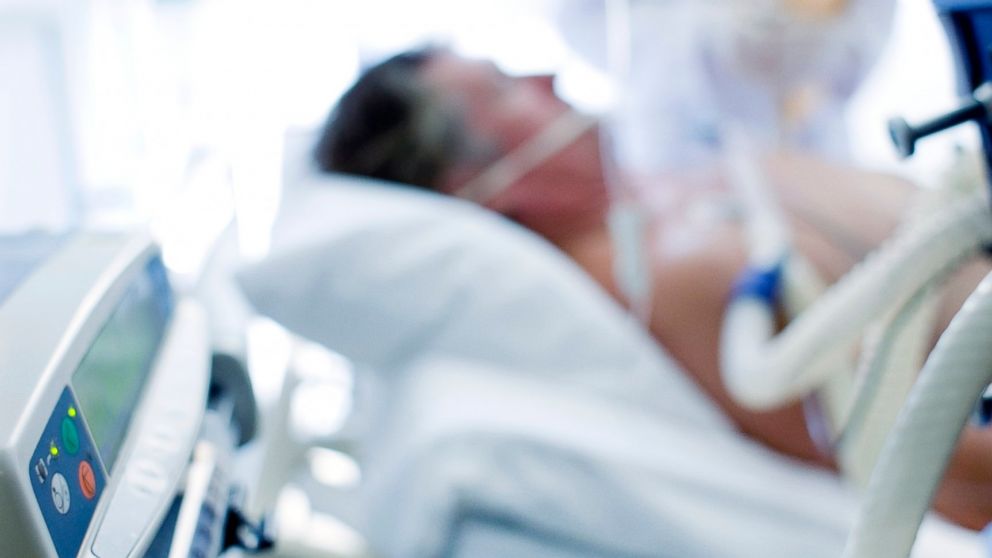
Concerns about the capacity for consent and what defines a true consent demand conversation. Recently, for instance, the widespread story of a man with a do not resuscitate tattoo sparked discussion about ways in which a person is able to provide consent when unconscious. This is a hard question to answer, and first we must understand the types of consciousness and how they are currently defined. Brain death is an irreversible, total loss of brain function with a complete loss of consciousness and reflexive behavior (1). The vegetative state (also referred to as unresponsive wakefulness syndrome (2) is described as a state wherein the person is not brain dead but also does not demonstrate any awareness. People who are minimally conscious may appear to be in a vegetative state but, when tested, demonstrate an awareness of self and others. Minimally conscious states are the basis for the recent discoveries of communication through MRI with people who had been thought to be in vegetative states (3,4). To define full consciousness is perhaps the most difficult. It is a topic that has been long-debated by philosophers and scientists; however, in medicine, to be fully conscious is most frequently defined as to be aware of oneself, one’s surroundings, and to have the ability to respond to stimuli (5). This is often measured in healthcare settings using the Glasgow Coma Scale (GCS), which rates patients on eye opening, motor responsiveness, and verbal responsiveness. Based on our present definitions and understanding, while brain death is currently a permanent, irreparable state, it is possible for people who are in a vegetative state to transition into a higher level of consciousness (6). 


Image courtesy of Pixabay.

We do not have a good way to measure consciousness objectively (7). Caplan argued that until we can understand both the science and the ethics of this problem, we should not move forward with consciousness-altering technologies such as Deep Brain Stimulation (DBS) and other emerging technologies. 


New research is aiming to bring consciousness back to those who were once viewed as brain-dead, but what does this really mean? These technologies are currently unable to restore an unconscious person’s former self; rather, they transition the person into a minimally-conscious state where they are then fully aware of their functional losses. Caplan provided the example of Guillaume T (GT), a man who was recently brought out of a 20-year vegetative state through vagus nerve stimulation (8). Although this story made headlines, it was not the medical miracle that most assumed. After the procedure, GT was minimally conscious, able to move his eyes on command and lift his head, but otherwise completely trapped. Having regained a degree of awareness from having none, he died two weeks later. For Caplan, this is one of the most egregious acts in the history of research. This is an instance where success was worse than failure. 


Caplan also addressed the issue of consent in consciousness research. This concern is becoming increasingly real, as one company is now claiming to offer a way to reverse brain death (9). Given the many risks of attempting to alter consciousness in this way (most notably, that of being trapped in a minimally conscious state), we must develop a new understanding of who can consent for these trials and treatments and of who is responsible for the outcome. The brain-dead patient clearly cannot provide consent, and without good definitions and measurements of consciousness, it is hard to even conceive of what it would mean to provide families with truly informed consent. A family told that their loved one may regain consciousness is likely to imagine a far different type of consciousness than the minimally conscious state that the researcher envisions. 


So, what happens next? If the research works, a patient may now be in a state of full awareness but still necessitate full-time, total care. The family, who might have once been content with withdrawing treatment from a person who was considered to have no consciousness, would now likely be unable to do so. The resultant emotional and financial burden to both patient and family would be astronomical. 


Image courtesy of Wikimedia Commons.

Caplan reminded us that our understanding of personhood and identity will also have to change. Currently, a human subject in research is a living person. If we are to include those declared brain dead in research with the intent of reviving their consciousness, we need to consider how this impacts our understanding of a human subject. Furthermore, we must consider the potential destruction of personhood. By altering the brain in such a significant manner, we are changing a person’s identity and we do not currently know the ethical or practical impacts of these changes. 


Making meaningful progress with these technologies will hinge on the many ethical considerations Caplan outlined. Researchers will need to be aware of the risks of providing false hope; they will also need to provide greater clarity about the definitions of consciousness and their expectations for the intervention. There would need to be strict regulations as to who can carry out this type of work as well as clear definitions regarding what constitutes failure and where liability falls for failures. This work may provide a novel opportunity for a new kind of advance directive for consciousness research after brain death. This would allow the patient herself the ability to decide whether or not to be included in these studies at a time when she can be fully informed about the potential implications. Finally, there need to be clear media policies for this type of work, and scientists must speak out against the bad science in this field so that patients are not misled into paying for treatments that may have catastrophic outcomes. These are just a few of many concerns that need substantial consideration before we, as a scientific community, strive to make greater headway in the field of consciousness research. 


References 


1. Goila A, Pawar M. The diagnosis of brain death. Indian J Crit Care Med [Internet]. 2009;13(1):7. Available from: http://www.ijccm.org/text.asp?2009/13/1/7/53108 


2. Laureys S, Celesia GG, Cohadon F, Lavrijsen J, León-Carrión J, Sannita WG, et al. Unresponsive wakefulness syndrome: a new name for the vegetative state or apallic syndrome. BMC Med [Internet]. BioMed Central; 2010 Dec 1 [cited 2018 Jan 14];8(1):68. Available from: http://bmcmedicine.biomedcentral.com/articles/10.1186/1741-7015-8-68 


3. Monti MM, Vanhaudenhuyse A, Coleman MR, Boly M, Pickard JD, Tshibanda L, et al. Willful modulation of brain activity in disorders of consciousness. N Engl J Med [Internet]. 2010 Feb 18;362(7):579–89. Available from: http://www.ncbi.nlm.nih.gov/pubmed/20130250 


4. Fiacconi CM, Owen AM. Using facial electromyography to detect preserved emotional processing in disorders of consciousness: A proof-of-principle study. Clin Neurophysiol [Internet]. 2016 Sep;127(9):3000–6. Available from: http://linkinghub.elsevier.com/retrieve/pii/S1388245716304357 


5. Tindall SC. Level of Consciousness. In: Hall WD, Hurst JW, Walker H, editors. Clinical Methods: The History, Physical, and Laboratory Examinations [Internet]. 3rd ed. Boston: Butterworths; 1990. Available from: https://www.ncbi.nlm.nih.gov/books/NBK380/ 


6. Tomaiuolo F, Cecchetti L, Gibson RM, Logi F, Owen AM, Malasoma F, et al. Progression from Vegetative to Minimally Conscious State Is Associated with Changes in Brain Neural Response to Passive Tasks: A Longitudinal Single-Case Functional MRI Study. J Int Neuropsychol Soc [Internet]. 2016 Jul 6;22(6):620–30. Available from: http://www.journals.cambridge.org/abstract_S1355617716000485 


7. Giacino JT, Fins JJ, Laureys S, Schiff ND. Disorders of consciousness after acquired brain injury: the state of the science. Nat Rev Neurol [Internet]. 2014 Jan 28;10(2):99–114. Available from: http://www.nature.com/doifinder/10.1038/nrneurol.2013.279 


8. Corazzol M, Lio G, Lefevre A, Deiana G, Tell L, André-Obadia N, et al. Restoring consciousness with vagus nerve stimulation. Curr Biol [Internet]. 2017 Sep;27(18):R994–6. Available from: http://linkinghub.elsevier.com/retrieve/pii/S0960982217309648 


9. Johnson LSM. Reversing Brain Death: An Immodest Proposal [Internet]. Impact Ethics. 2016 [cited 2018 Jan 14]. Available from: https://impactethics.ca/2016/05/24/reversing-brain-death-an-immodest-proposal/ 


Want to cite this post?


Moses, T. (2018). Practical and Ethical Considerations in Consciousness Restoration. The Neuroethics Blog. Retrieved on , from http://www.theneuroethicsblog.com/2018/03/practical-and-ethical-considerations-in.html

Tuesday, March 31, 2015

Is Brain Dead Really Dead?

By Amber Green


Amber Green is currently a senior in the Emory College of Arts and Sciences, double majoring in Neuroscience and Behavioral Biology and Philosophy. Her majors led her to an interest in neurophilosophy and neuroethics. She hopes to pursue a MA in Bioethics and/or Neurophilosophy and go into a career as a clinical neuroethicist after graduating in May.


Having a family member pronounced dead is a very heartbreaking moment. Be it your pet, your sister, your mother, or your child, the pain you feel when the doctor reports that your loved one has passed away is overwhelming. Doctors know that there are no take-backs once they inform the family of the patient’s death, which is why there are strict procedures for a doctor to follow when declaring someone dead. However, when it comes to “brain death” and the advances of life support technology, these procedures become harder to follow and leads one to ask the question: “More importantly, if the brain is dead, are we dead?”


In Oakland, California, this past year, a 13-year old girl named Jahi McMath had been maintained on a ventilator since an elective procedure to treat her sleep apnea went horribly wrong. Jahi McMath had been pronounced brain dead, yet she had not been taken off of life support. In fact, her parents persuaded a judge to have her life support extended for at least a week past the doctor’s declaration of brain death. Her parents insisted that she is still alive and that taking their daughter off life support is equivalent to killing her. But, who is in the right: the doctors or the parents of Jahi McMath? And whose wishes should we honor?


Brain death, according to the Uniform Determination of Death Act, is a concept used to describe the “irreversible cessation of the entire brain, including the brain stem.” Moreover, in 1968, the Report of the Ad Hoc Committee of the Harvard Medical School stated that brain death is the primary basis for declaring someone dead. If the brain, including the brain stem, is harmed in any sufficient amount, respiratory failure, followed by terminal cardiac arrest will ensue. This is because the brain is the ultimate control center of the body, sustaining the functions of other organs (Pernick 1999). With advances in cardiac life support technology, patients could be resuscitated after a traumatic injury to either the brain or the heart. Also, in order to be viable for organ donation, organs have to be able to function, i.e. the heart should be able to pump blood and beat. But, there is no need for the brain to function for vital organ transplantation. Therefore, with its institution in the University of Pittsburgh in the early 1990s, brain death became an important criterion for declaring death that also allowed for functioning organs for organ donation. Furthermore, it is also speculated by Professor Charles Vincent of Clinical Safety Research in the Imperial College in London that having brain death be a criterion for defining death would take care of the overcrowding problem plaguing hospitals, an idea that is controversial. By permitting hospitals to have a reason to reallocate resources from people like Marlise Munoz, a pregnant mother declared brain dead but being kept on life support by the state of Texas, the hospital provided resources towards patients who might be considered to have better prospects at living and not just living, but living with what by many would be considered a higher quality of life than living dependently on a ventilator.


The quality of life issue raises the question of whose voice do we listen to when making determinations of what quality of life means. Neuroscientists like Adrian Owen have decided to investigate the one voice that has remained unheard and ignored: that of the patient who may be unable to speak or communicate by conventional means. Using neuroimaging and looking at changes of blood flow to certain parts of a patient’s brain who has been determined to be in a vegetative state, Owen has been able to communicate and exchange information with patients in a coma. Studies like these don’t only have the promise of allowing family members to communicate with loved ones who may seem lost to them, they also can identify patients who might respond to rehabilitation, determine the dosage of analgesics by asking about pain, and give voice to patients who might not otherwise be able to communicate their feelings and desires. He has yet to ask, “Do you want your life support ended?” However, he has asked “Are you in pain?” A podcast of his communications with patients who have been determined to be in a vegetative state can be found here.


From ABC News


The first patient to communicate with Owen was a 26-year-old patient named Kate Bainbridge. In 1997, a deadly viral infection caused Bainbridge to go into a coma. Using positron-emission topography (PET) to examine a brain area called fusiform face area (FFA), which is activated whenever one sees a familiar face, Owen decided to investigate what would happen to Bainbridge if she saw the face of someone she knew. Bainbridge showed significant brain function according to the neuroimaging data. By 2010, she was in a wheelchair, but otherwise active following rehabilitation. Despite similar responses in other patients in comas, he and his research has still been met with backlash (Cyranoski, 2012). Both scientists and the general public have shown dislike for Owen’s brain imaging on patients in a vegetative state. Owen's method raises many questions for physicians, for it radically changes the standard procedures of the treatment of patients in comas. One question it raises is what type of effect will his research have on a family's or clinician's decision to end a life. “If a patient answers questions and demonstrates some form of consciousness, he or she moves from the 'possibly allowed to die' category to the 'not generally allowed to die' category,” says Owens. This will put the general public in an awkward position when it comes to processing the death of a loved one. Some will be given hope, whereas others will be burdened financially by the prospect of keeping them alive for these not particularly understood signs exhibited by the patient. Also, this leads to the major concern: How much say does the patient have in their death.


Owen is now planning on using an electroencephalogram (EEG) to complement these imaging studies. EEGs also have the advantage of being portable, cost-effective and relatively fast. Owen will examine 25 people a year to prove that this may be a way to communicate with patients in vegetative states. However, one must ask oneself one question: Is this enough to say that what is being seen in a brain image or EEG is an accurate representation of a patient’s desires and needs? Could it possibly be simply an automatic versus intentional response?


Caption: fMRI images comparing a patient given the diagnosis of existing in a vegetative state to healthy volunteers. All participants in the study completed two imagery tasks under the direction of Adrian Owen. From Owen et al


Determining death based on brain death is flawed according to both sides of the debate. There is no reliable universal way to determine brain death unless the entire brain has been destroyed and the circulatory and respiratory systems have also stopped functioning. Moreover, people pronounced brain dead can “survive” on life support for extended periods of time. This is because the “survival” of the body is not solely dependent on brain functions; it’s also dependent on circulatory and respiratory functions, which can exist even if the brain is not functioning at all. But is living without brain function, or more importantly a cognitive life, living? As of the present, one year later, Jahi McMath is still surviving with the help of a ventilator. There is even recent videotape footage of her moving her foot and hand at the request of her mother. So is this girl who was declared neurologically dead really dead? Doctor say “yes,” her parents say “no,” and I say the uncertainty surrounding her case makes it better to be safe than sorry to keep her on the ventilator. According to Georgia Law, Statute 31-10-16, death is either irreversible cessation of circulatory and respiratory functions or irreversible cessation of all functions of the brain, including the brain stem. Advanced directives will be recognized first and foremost, for Georgia replaced its Living Will and Durable Power of Attorney for Health Care as of July 1st, 2007. Therefore, if a patient were to write both a living will and advanced directive of contradictory orders for what to do in the face of their impending death, the advanced directives will be followed. (These laws can be seen here and here). However, if a person were to undergo Owen’s test and brain activity were to be found, an advanced directive, in the state of Georgia would not be able to be honored. The legal consequences of utilizing such a technology complicate things even further. Furthermore, with all these varying opinions and stakeholders in Jahi McMath’s death declaration, this prompts the question: Who has the right to be involved in this kind of decision anyways?


Reference


Owen, A. M.; Coleman, M. R.; Boly, M.; Davis, M. H.; Laureys, S.; Pickard, J. D. Detecting Awareness in the Vegetative State. Science 2006, 313 (5792), 1402.


Caplan, Arthur. "Brain Death Really Is Death." Time. Time, 3 Jan. 2014. Web. 25 Feb. 2015.


Cyranoski, David. "Neuroscience: The Mind Reader." Nature.com. Nature Publishing Group, 13 June 2012. Web. 06 Mar. 2015.


"Organ Donation/ Transplantation." Education Organ Donation / Transplantation End of Life Care: When Is a Person Really Dead? American Life League, n.d. Web. 25 Feb. 2015.


Pernick, M., 1999, “Brain Death in a Cultural Context: The Reconstruction of Death, 1967–1981,” in in S. Youngner, R. Arnold, and R. Shapiro (eds.), The Definition of Death: Contemporary Controversies, Baltimore, MD: Johns Hopkins University Press: 3–33.


Vincent, C. (2012). The essentials of patient safety. Download disponibile all’indirizzo www1. imperial. Ac. uk/medicine/about/institutes/patientsafetyservicequality.


Want to cite this post?


Green, A. (2015). Is Brain Dead Really Dead? The Neuroethics Blog. Retrieved on , from http://www.theneuroethicsblog.com/2015/03/is-brain-dead-really-dead.html

Friday, February 22, 2013

Hello! Anybody in there?

At what point can be say without a shout of a doubt that no one is left inside that lifeless corpse laying there motionless in that hospital bed? The first major problem we encounter when discussing “disorders of consciousness1” is that we still don’t have a definitive definition of what consciousness even is. Is it a tangible mass in the brain? Does it light up in response to stimuli during a brain scan? We are still fighting these issues about people’s mental states and their level of consciousness yet we have no idea what that even is. It seems to be a losing battle that will only end in debate. Some are trying to go a step farther and implement modern technology into the better accessing a patient’s mental abilities and whether or not it is safe to define that as being in a vegetative state.


Premotor cortex activity in a vegetative state (Source)


The reasoning for challenging the standard operation of care is that, in 2008, it was reported that 43% of patients were diagnosed as being “vegetative” when in actuality they should have been classified in one of the other mental states1. So Owen et al. suggested that another tool to access ones mental awareness could be to use functional magnetic resonance imaging (fMRI) to determine with patients brains could respond to external stimuli or perhaps even more complex mental tasks. They suggested that this not replace the behavioral assessments that are already in practice but an additional resource that may decrease the alarming misdiagnosis rate.


So how this would be used in a clinical situation? Boly et al. describe a way in which a patient was told to image all the motions and actions associated with playing tennis against an imaginary opponent2. The goal of this experiment was to compare the areas of the brain the lit up in the vegetative state patients compared to control subject who were asked to perform the same mental task2. Surprisingly, the patient showed tremendous activation in the supplementary motor area (SMA) that was comparable to the same patterns found in the control subjects2. Does this mean the patient still had higher cognitive processing abilities and should not be defined as being in a vegetative state? The authors of this study decided this was a case in which the patient was misdiagnosed and still retained the ability to processes spoken commands.


I definitely think it is necessary to improve the assessments of patients’ mental state before declaring them as vegetative; however I feel that this is open to interpretation based on the fact that we don’t have a definitive term of what consciousness is. It makes for a difficult argument trying to speak out against a diagnosis when the foundation of that diagnosis isn’t well defined. Perhaps fMRI can help better define this state but with all techniques there comes flaws. For example, are can specific neuronal networks be activated without high order processing? Even though the patients might be in a vegetative state doesn’t necessarily mean that the neuronal networks that process that information are no longer intact and cannot be activated.


--Travis Rotterman


Want to cite this post?


Rotterman, T. (2012). Hello! Anybody in there? The Neuroethics Blog. Retrieved on
, from http://www.theneuroethicsblog.com/2013/02/hello-anybody-in-there.html


References


1. Coleman, M. R. and A. M. Owen (2008). "Functional neuroimaging of disorders of consciousness." Int Anesthesiol Clin 46(3): 147-157.


2. Boly, M., et al. (2007). "When thoughts become action: an fMRI paradigm to study volitional brain activity in non-communicative brain injured patients." Neuroimage 36(3): 979-992.


Thursday, February 21, 2013

Vegetative States

Functional brain imaging techniques have become a versatile tool for peering into brain and how its activity can manifest as behavior. Nervous system injuries can leave people with varying degrees of functionality and capability. Disabilities can be of the mind such as the inability to perform cognitive tasks like math or impair memory recall or formation. Other injuries can be of the body such as in paralysis or quadriplegia. Unfortunately when it comes to brain injuries, the resulting symptoms are never easily quantifiable. Diagnosis of such patients is complicated by the fact that “There is as yet no universally agreed definition of consciousness and, to an even greater extent, no definition of ‘self-consciousness’ or ‘sense of self/being’“ (Owen and Coleman, 2008). It is thus no surprise that misdiagnosis resulting from brain imaging techniques are as high as 43% (Andrews et al. 1996, Childs et al. 1993). The progression of neuroimaging techniques being used clinically to diagnose consciousness and the vegetative state requires neuroscientists themselves to step up and provide education to clinicians and patients about not only how neuroimaging works but also what it means.


Can fMRI determine consciousness? (Source)


The most commonly used form of neuroimagaing, fMRI, basically extracts information about where energy is being used the fastest in the brain. This in combination with an understanding of what various brain regions do, can provide insight about what it is the brain may be thinking about. It would follow that perhaps neuroimaging could be used as a measure of how conscious a person is whether or not they are visibly awake and moving. This is precisely the complication arising in the case of patients in the vegetative state that while unable to execute commands physically, may still be mentally intact and alert. A recent study asking patients to imagine various scenarios such as playing tennis or walking around a house (Boly et al. 2007) provides ample evidence that brain scans can pick up different responses in brain activity that is question specific. When it comes to applying these techniques to vegetative patients, things get complicated.


The first complication arises from a lack of understanding how fMRI works. Patients families may correlate fMRI activity to consciousness when this may not be the case. For example if a patient is capable of hearing but not thinking about what they have heard, an fMRI may indicate brain activity whenever the patient is spoken to. Thus being able to hear is not the same as being able to process what is heard. The second complication arises from how brain scans and their information should be treated medically and legally. Neuroscientists much take up responsibility in educating clinicians and lawyers about the reliability and accessibility of this technique. For example, using fMRI scans as evidence for consciousness in court may be tenuous due to the high proportion of false negatives that fMRI scans may produce (Owens and Campbell 2008). Thirdly neurosciences have a responsibility in promoting awareness of multi-approach testing for consciousness. Even in science, brain scans are normally used as but a part of behavioral testing. Other measures including EEGs and comprehensive mental evaluations are necessary for augmenting fMRI scans.


While neuroimaging represents a great step toward helping diagnose patients suffering from nervous system damage, there remains much more education and awareness that falls to the hands of neuroscientists, clinicans, lawyers, and patients to make it an efficacious technique for evaluating consciousness.


--Michael Jiang


Want to cite this post?


Jiang, M. (2012). Vegetative States. The Neuroethics Blog. Retrieved on
, from http://www.theneuroethicsblog.com/2013/02/vegetative-states.html


Works Cited


Andrews, K., Murphy, L., Munday, R. & Littlewood, C. Misdiagnosis of the vegetative state: retrospective study in a rehabilitation unit. BMJ 313, 13–16 (1996).


Boly, M. et al. When thoughts become actions: an fMRI paradigm to study volitional brain activity in noncommunicative brain injured patients. Neuroimage 36, 979–992, 2007.


Childs, N. L., Mercer, W. N. & Childs, H. W. Accuracy of diagnosis of persistent vegetative state. Neurology 43, 1465–1467 (1993).


Owens, A. M., Coleman, M. R. Functional neuroimaging of the vegetative state. Nature Neuroscience Perspectives (9), 235-243 (2008).


Wednesday, February 20, 2013

Ethics, Logic and Vegetative States on a First Date

So, you’re on a first date and you’ve just finished discussing your favorite movies, how many siblings you have et cetera. The next natural topic of discussion will be “how do you feel about functional neuroimaging of the vegetative state?” Don’t be intimidated. Here are three guidelines to follow so that your discussion is intellectually stimulating and does not get stuck in a mire of cognitive biases and gaps in logic.


fMRI Communication? (Source)


  1. Avoid the Availability Heuristic: Your date has most likely read over Owen and Coleman’s 2008 review of functional MRI’s ability to upgrade patients from vegetative states to non-behavioral minimally conscious states (Owen and Coleman 2008). It would be impossible for both of you not to think about the 43% chance of misdiagnosis if you’re in a vegetative state (Owen and Coleman 2008). Telling him/her that more recent studies have decreased these misdiagnoses to 41% probably won’t help (Schnakers 2009) It’s important to remember that just because the stories of patients displaying higher cognitive abilities, despite being diagnosed as being in a vegetative state is saliently memorable, does not mean that this is a common occurrence (Coleman, Rodd et al. 2007) (Owen 2006; Boly 2007). Just because they are deemed to have cognitive capabilities, doesn’t mean that they are experiencing “locked-in” syndrome, a terrifying situation in which an individual is fully conscious but unable to move or speak (Owen and Coleman 2008). Don’t assume that everyone who is deemed to be vegetative state is trapped in mental solitary confinement. That’s illogical and not helpful.


  2. False Dilemma or the Black-or-White Fallacy: You’re date might think you’re a pessimist, but you have to tell him/her that this diagnostic tool is going to be extremely limited at first. These researchers probably receive full inboxes daily from desperate family members looking for hope. Someone will have to decide who will be scanned and who will not. “That’s not fair,” your date says and the best response is this: “I’m sorry, but life isn’t fair. There’s no way that everybody can be scanned and it’s irrational to deny fMRI scanning until availability is ubiquitous. Let’s not make this an all-or-nothing choice. I think the correct choice is c) some people get scanned and benefit from the technology. This is better than no one getting scanned. In the mean time, this has to be. But there’s hope, a rising tide lifts all boats.” And this isn’t a foolproof diagnostic tool. Do you know how easy it is for healthy participants to fall asleep in a scanner? Now imagine that you have a traumatic brain injury. False-negative findings are a high likelihood with traumatic brain injury patients (Owen and Coleman 2008).


  3. Emotions: Your date might go for the jugular of any difficult ethical discussion: pathos/emotions. Queue the violins, apply the soft focus and listen to a tragic tail of one of your loved ones being in a terrible accident. Listen and imagine the fear and sadness that’s felt by anyone who has experienced this type of tragedy. “How would you feel if your [mother, uncle, sister] was in this situation? Wouldn’t you want to keep them alive as long as possible? Would you just give up on them?”… and then snap out of it. You’ll have to explain to your date that it’s natural for topics like this to be emotionally charged due to religious beliefs, personal fears and extrapolations. The fact remains that when you are not emotionally involved is the best time to think about difficult ethical issues. Logic goes out the window when emotions are involved. Families and loved ones in these horrible situations deserve support, help and empathy. Prolonging states of grief, denial or false hope will not help them. If you don’t feel a drink thrown in your face, continue your date.


With these tips in mind enjoy getting to know your date and their opinions on this ethical issue, free from logical pitfalls. You are two individuals with full cognitive capacities, unlike the hypothetical individuals in vegetative states you are discussing. Honor those suffering from traumatic brain injury by using your logical capacities to their full extent, while you have them.


--Amielle Moreno


Want to cite this post?


Moreno, A. (2012). Ethics, Logic and Vegetative States on a First Date. The Neuroethics Blog. Retrieved on
, from http://www.theneuroethicsblog.com/2013/02/ethics-logic-and-vegetative-states-on.html


Works Cited


Boly, M. (2007). "When thoughts become actions: an fMRI paradigm to study volitional brain activity in non-communicative brain injured patients." Neuroimage 36: 979-992.


Coleman, M. R., J. M. Rodd, et al. (2007). "Do vegetative patients retain aspects of language comprehension? Evidence from fMRI." Brain 130(Pt 10): 2494-2507.


Owen, A. M. (2006). "Detecting awareness in the vegetative state." Science 313(1402).


Owen, A. M. and M. R. Coleman (2008). "Functional neuroimaging of the vegetative state." Nature 9: 235.


Schnakers, C. V., A.; Giacino, J.; Ventura, M.; Boly, M.; Majerus, S; Moonen, G.; Laureys, S (2009). "Diagnostic accuracy of the vegetative and minimally conscious state: Clinical consensus versus standardized neurobehavioral assessment." BMC Neurology 9(35).